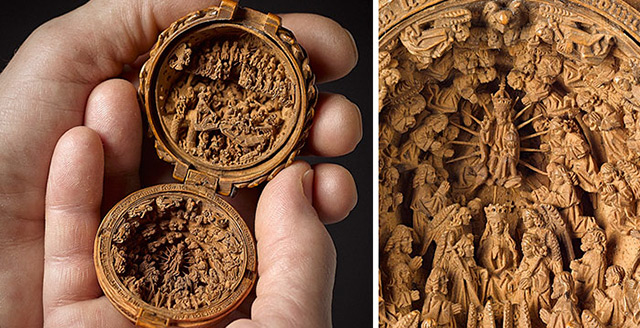
Incredibly Rare 16th-Century Boxwood Carvings Are So Miniature, X-Rays Had To Be Used To Reveal Their Mysteries
These wooden miniatures might look cool from a distance, but believe me, the closer you get, the more amazing the story of these 16th-century boxwood carvings becomes.
These wooden miniatures might look cool from a distance, but believe me, the closer you get, the more amazing the story of these 16th-century boxwood carvings becomes.
Only 135 of these tiny carvings are known to exist and all of them are dated to a very short time frame, between 1500 and 1530 either in Flanders or the Netherlands. That can be explained with the emerging merchant social classes in Europe at the time, which could afford such exquisite religious items. But soon came the Reformation and expensive church-related artifacts went out of fashion.
Yet during that time wood artists have created some of the most incredible miniatures ever, the making of which still puzzles the researchers untill this day. Recent micro-CT scans and Advanced 3D Analysis Software helped to uncover just how detailed these tiny altars are. The inner layers are pieced together, hiding the joints so well, that only a microscope or an X-ray can detect them. The pieces also incorporate pins, thinner than a grass seed. However, much of the production process remains unknown, because traces of gold and other decoration materials conceal the X-ray views.
More info: ago. ca | youtube (h/t: colossal, boredpanda)
Researchers took these 500-year-old miniature boxwood carvings to the lab to find out their secrets
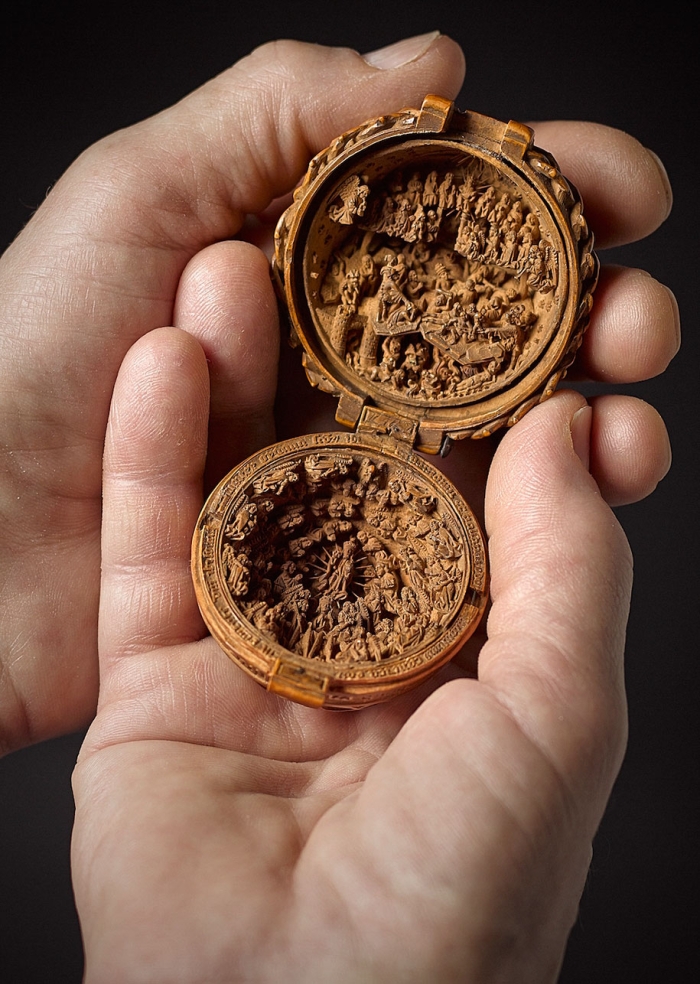
They think these miniatures were made between 1500 and 1530 in Flanders or the Netherlands
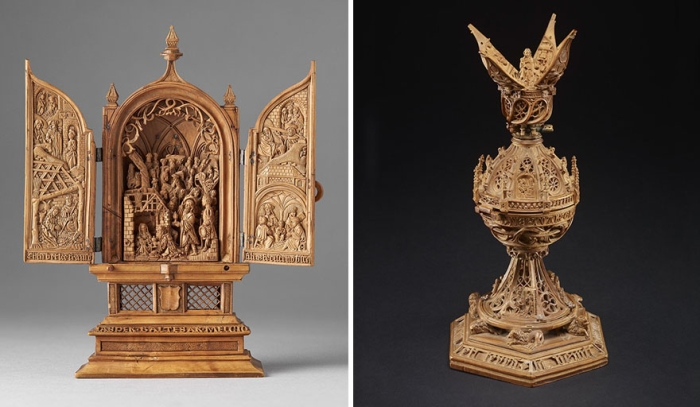
The human eye isn’t able to analyze details this tiny
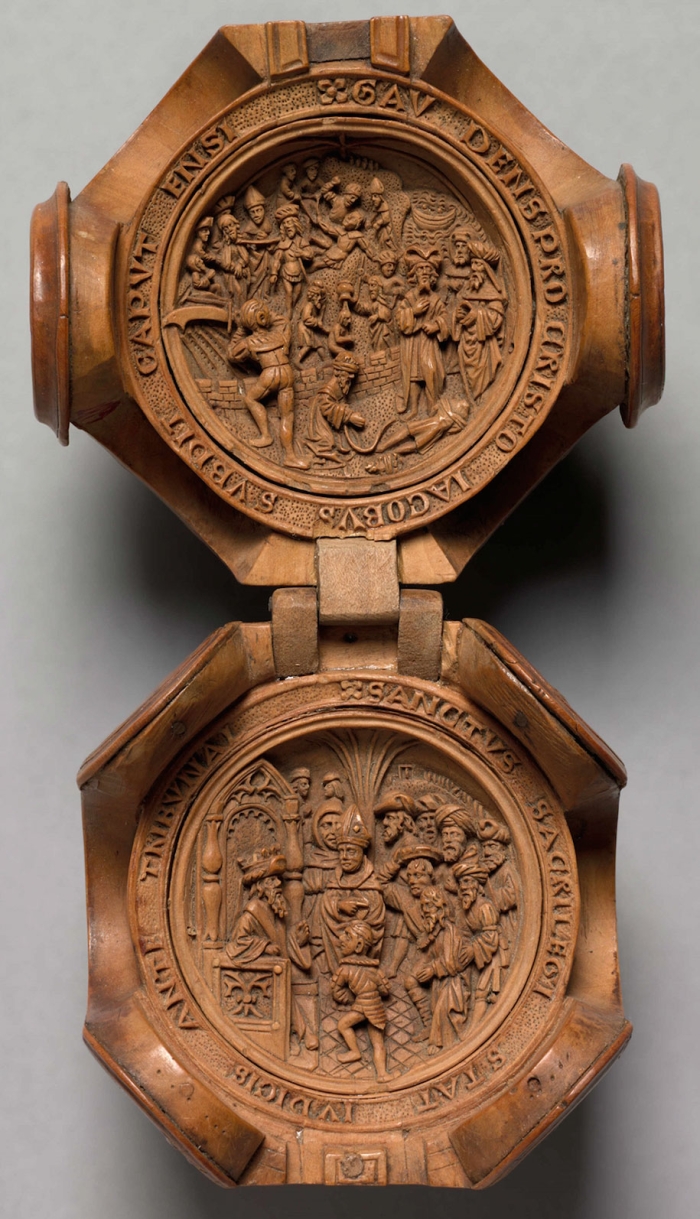
So researchers used micro-CT scanning and Advanced 3D Analysis Software
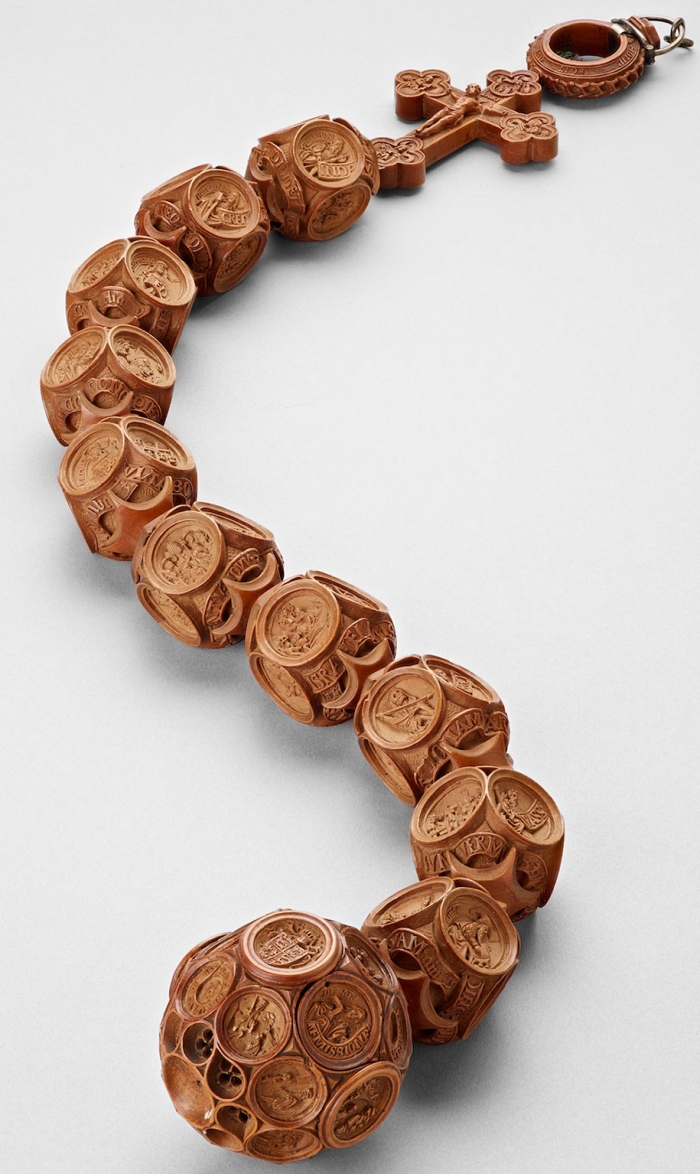
To find out how intricate the pieces really are
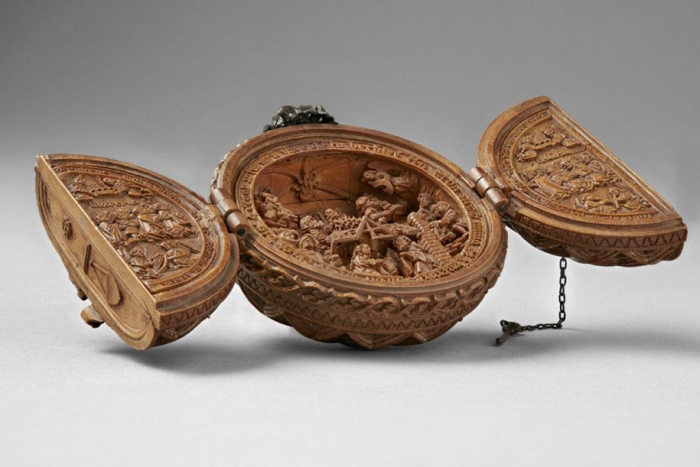
They found joints in the inner layers so tiny that only a microscope or an X-ray can detect them
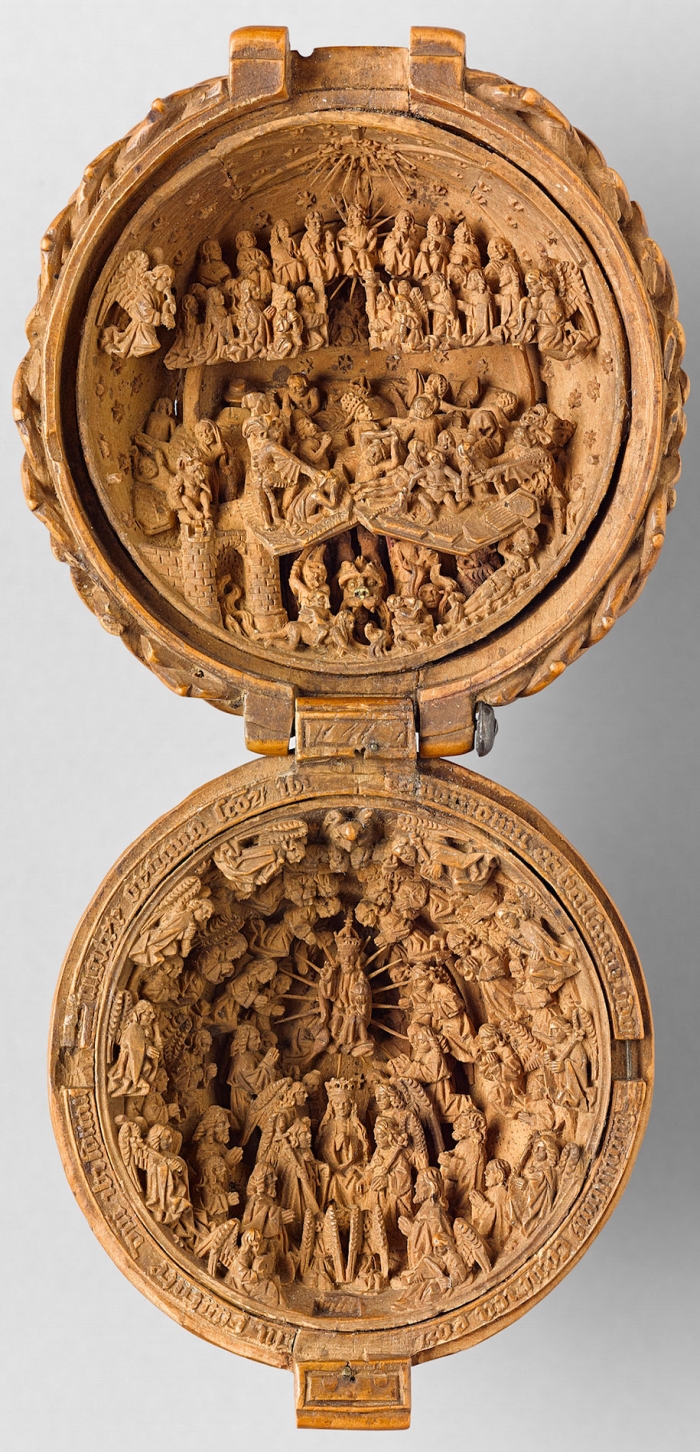
And pins, smaller than a grass seed
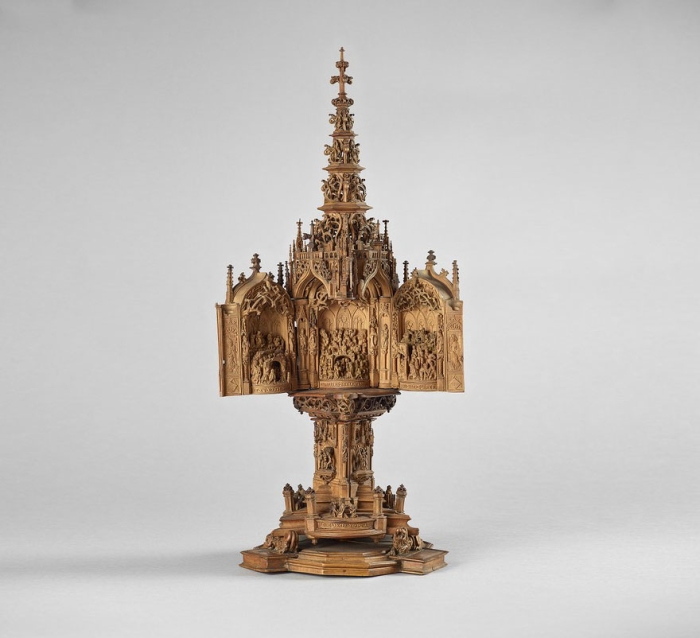
But even the advanced technology couldn’t see everything
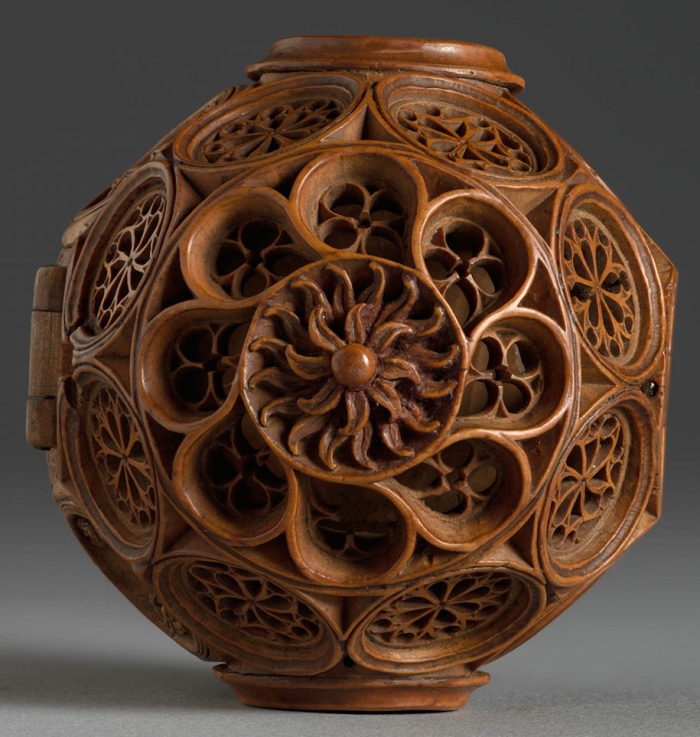
Because traces of gold and other decoration materials conceal the X-ray views
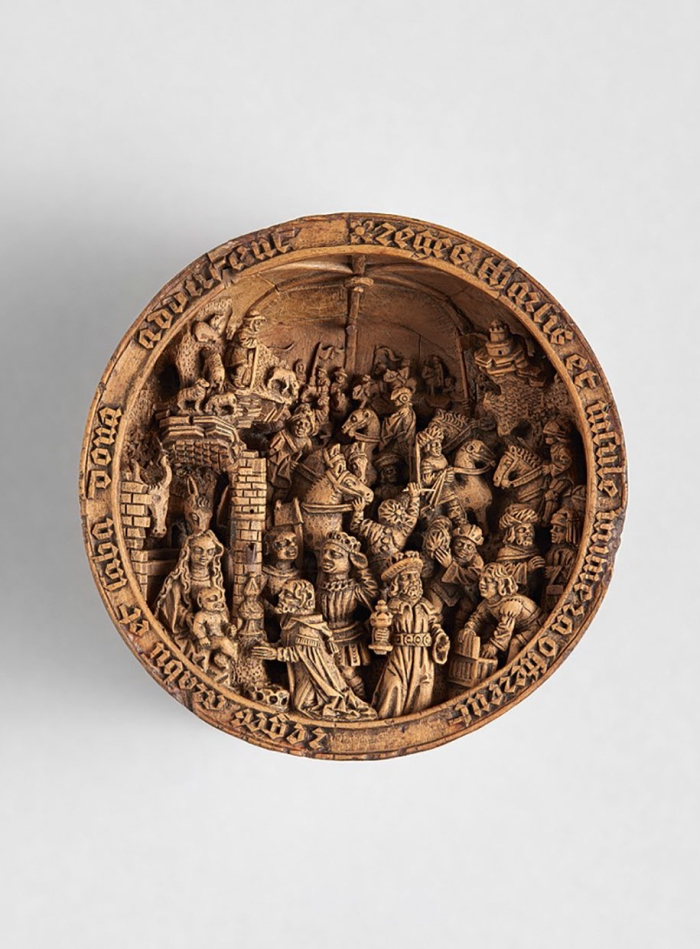
The miniatures were a result of a rising new social class in Europe that created a demand for these high-quality portable religious carvings
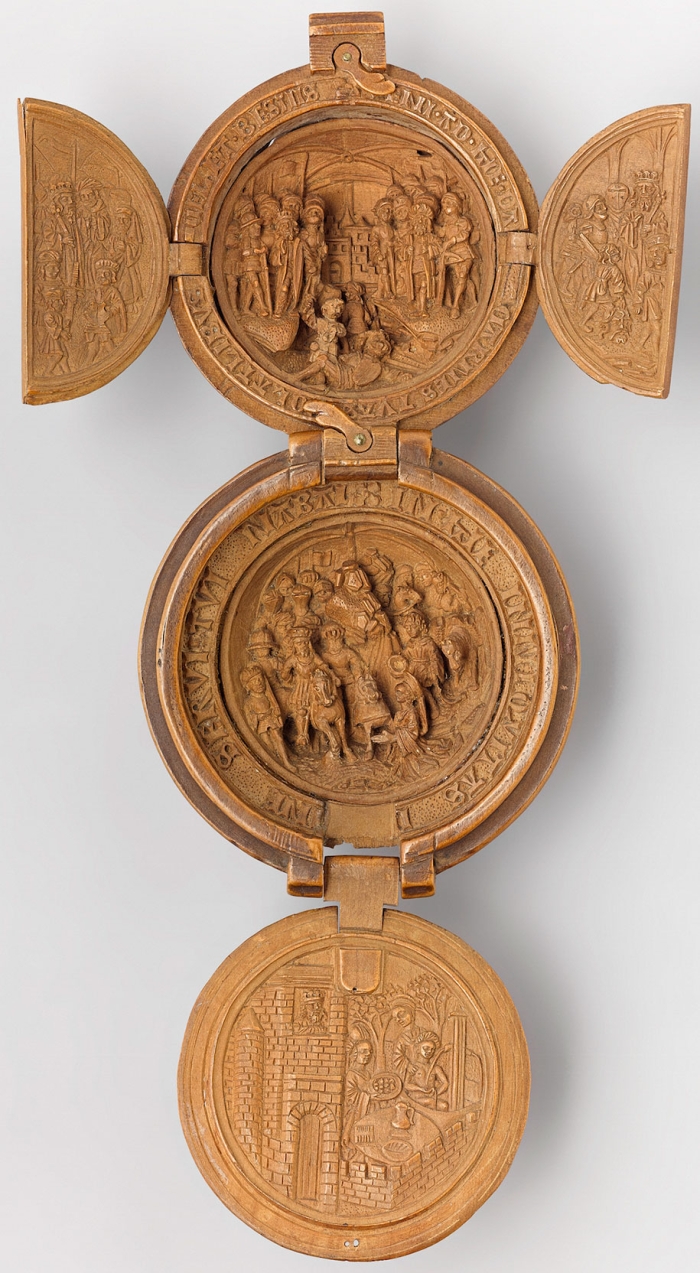
However, soon the Reformation began and a lot of church-related accessories went out of fashion
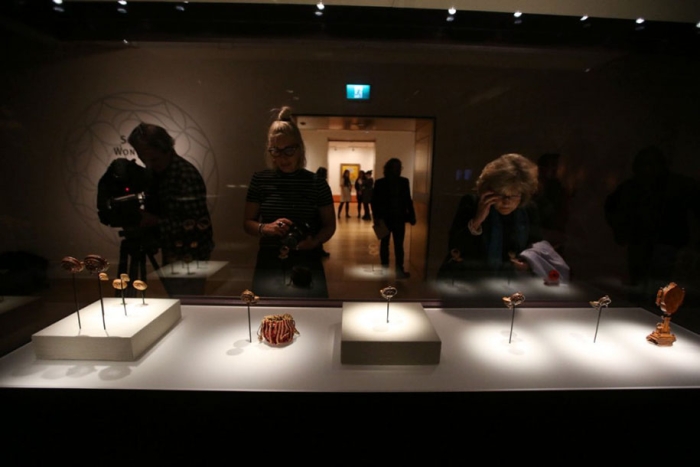
Here's a video explanaition:
With 5+ years in the creator, entertainment, and publishing spaces, Demilked shortlists, reviews, and ranks leading tools that actually make your life easier.