
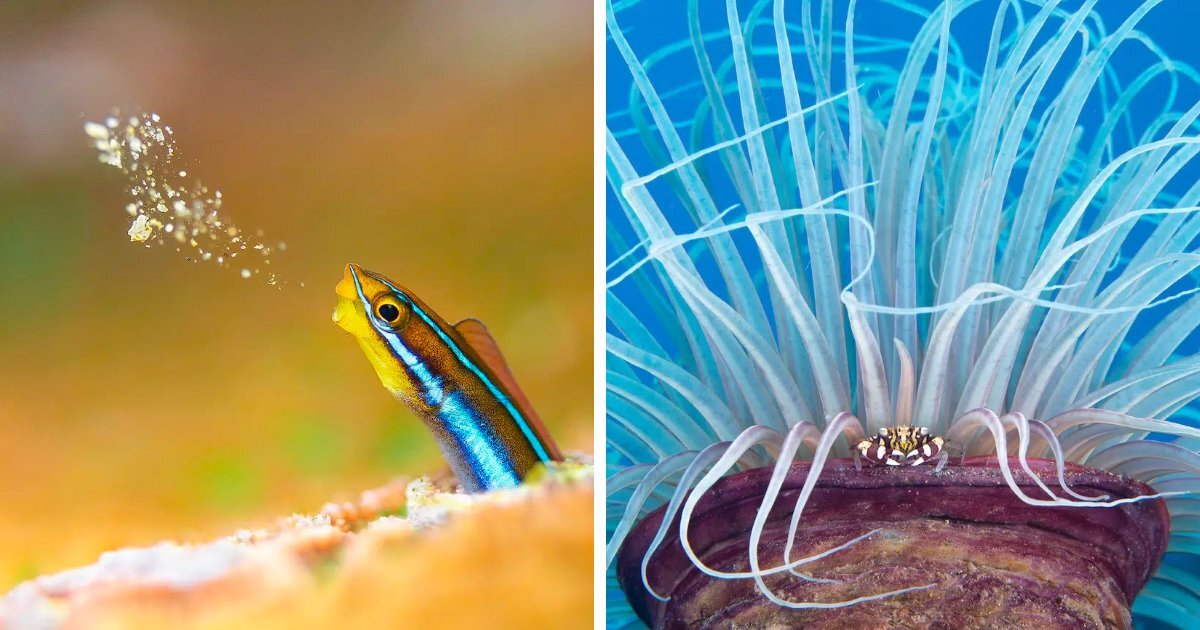
15 Award-Winning Photos From The 2025 Underwater Photo Contest By The Dive Photo Guide
The 2025 Underwater Photo Contest by The Dive Photo Guide (DPG) has once again plunged us into the hidden wonders beneath the waves, showcasing some award-winning images that redefine what’s possible in underwater photography. From the synchronized dance of humpback whales to intimate portraits of elusive marine creatures, this year’s selections celebrate not only breathtaking beauty but also the dedication, patience, and artistic vision of photographers from around the globe.
Curated from more than 2,000 entries spanning multiple continents and aquatic habitats, these iconic shots offer an unforgettable glimpse into the vibrant life and mysterious depths of the ocean, reminding us why we continue to explore, protect, and fall in love with the world beneath the surface.
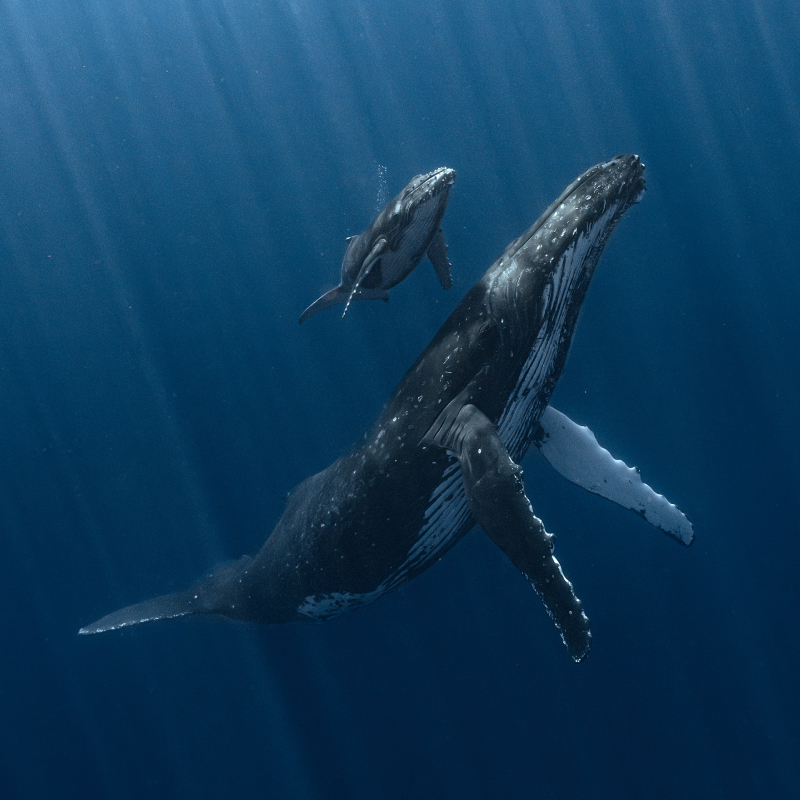
#1 Wide Angle, Gold. DPG Grand Master 2025. Yuka Takahashi (Japan), “Synchronized Humpback Whales.” Shooting location: Mo’orea, French Polynesia. Copyright © Yuka Takahashi
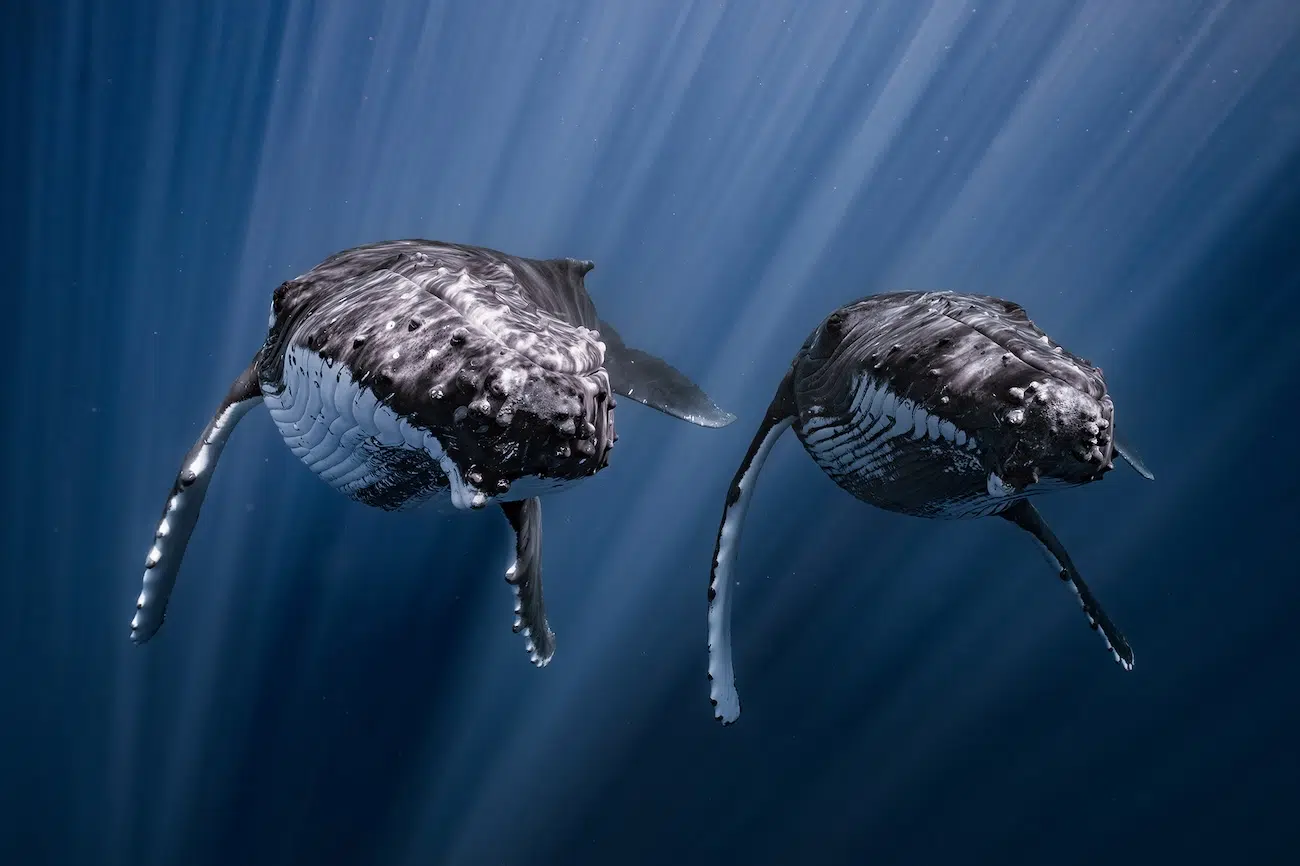
Image source: Dive Photo Guide
“A pair of humpback whales swims in synchronicity off the French Polynesian island of Mo’orea. Every year, migrating humpback whales from the Southern Hemisphere journey to Mo’orea to use its warm waters as a nursery and resting ground. These two humpbacks are always seen together, and I was fortunate to capture this rare moment in which they mirrored each other’s position and movement almost perfectly. Living close to nature has taught me lessons no textbook ever could, including the realization that each animal has a unique personality. To me, this photograph reflects the strong bond between the two whales while also revealing their playful and curious nature. One of the most special moments I have experienced, this encounter truly made me feel a deep connection with wildlife.”
#2 Macro, Gold. Sunbong Jung (South Korea), “House Cleaning.” Shooting location: Anilao, Batangas, Philippines. Copyright © Sunbong Jung
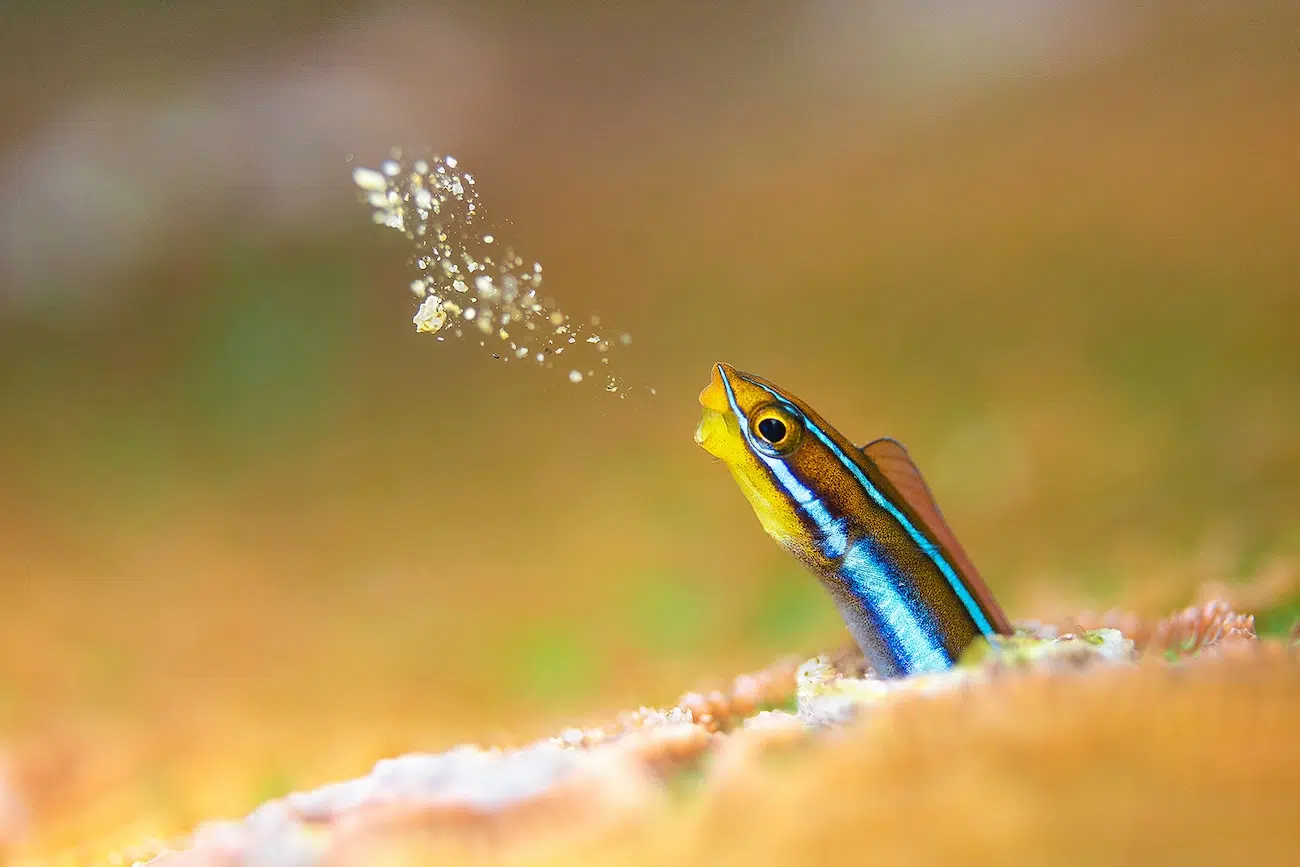
Image source: Dive Photo Guide
“A bluestriped fangblenny repeatedly scoops up sand from its burrow with its mouth and spits it out. At first glance, the behavior appears random, almost playful, but closer observation reveals a precise and purposeful routine. The fish follows a systematic three-step excavation process, carefully clearing its home grain by grain. This image captures the final and most dramatic stage—the moment the fangblenny launches itself upward from the burrow at roughly a 45-degree angle, forcefully ejecting the remaining sand as far away as possible. The brief burst of motion, frozen in time, highlights both the intelligence and determination hidden within this tiny reef dweller.”
#3 Traditional, Gold. Chris Gug (U.S.A.), “King of the Hill.” Shooting location: Tulamben, Bali, Indonesia. Copyright © Chris Gug
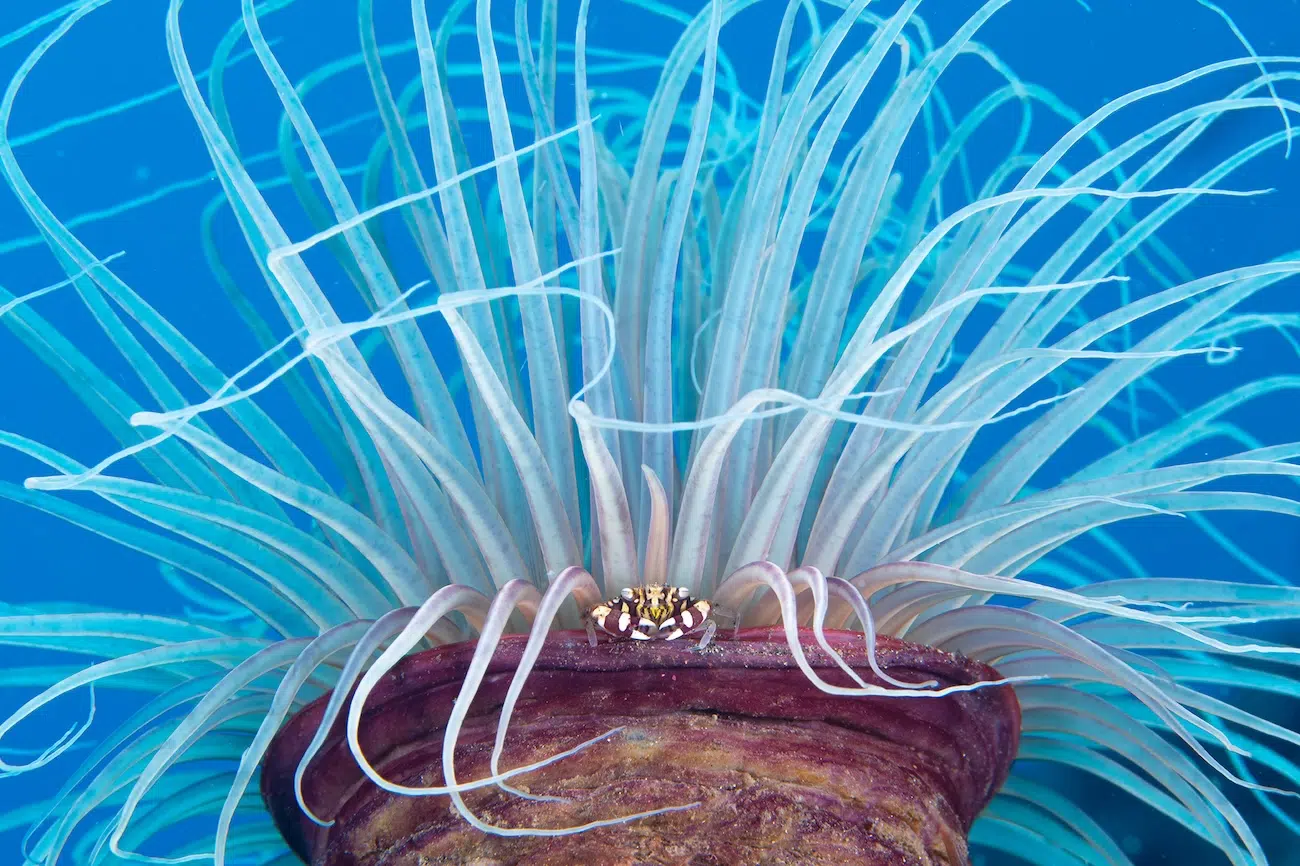
Image source: Dive Photo Guide
“On the way back up a deep, sandy muck slope, at 25 feet, I saw my 30th tube anemone of the dive, and I habitually—obsessively—inspect each and every one for symbionts. The prize I was looking for wasn’t just present but perched in the perfect spot, looking like the ruler of its domain. Before beginning to shoot, I knew I wanted a blue background rather than black, so I slowed the shutter speed. Since I had to be quite far back for this composition with my 105mm macro lens, I moved my strobes all the way forward to try to minimize backscatter. Then the challenge was getting a crisp shot at 1/25s (since I’m an ISO noise snob) as the anemone swayed back and forth in the current. So, much to the chagrin of my housing’s already-gritty O-rings, I braced the housing in the sand as a poor excuse for a tripod. I checked this anemone each time I repeated this site over the next few weeks, and the crab was never there again, so I’m glad I dedicated all the time I could when the chance presented itself.”
#4 Conservation, Gold. James Ferrara (U.S.A.), “Survivor.” Shooting location: Sri Lanka. Copyright © James Ferrara
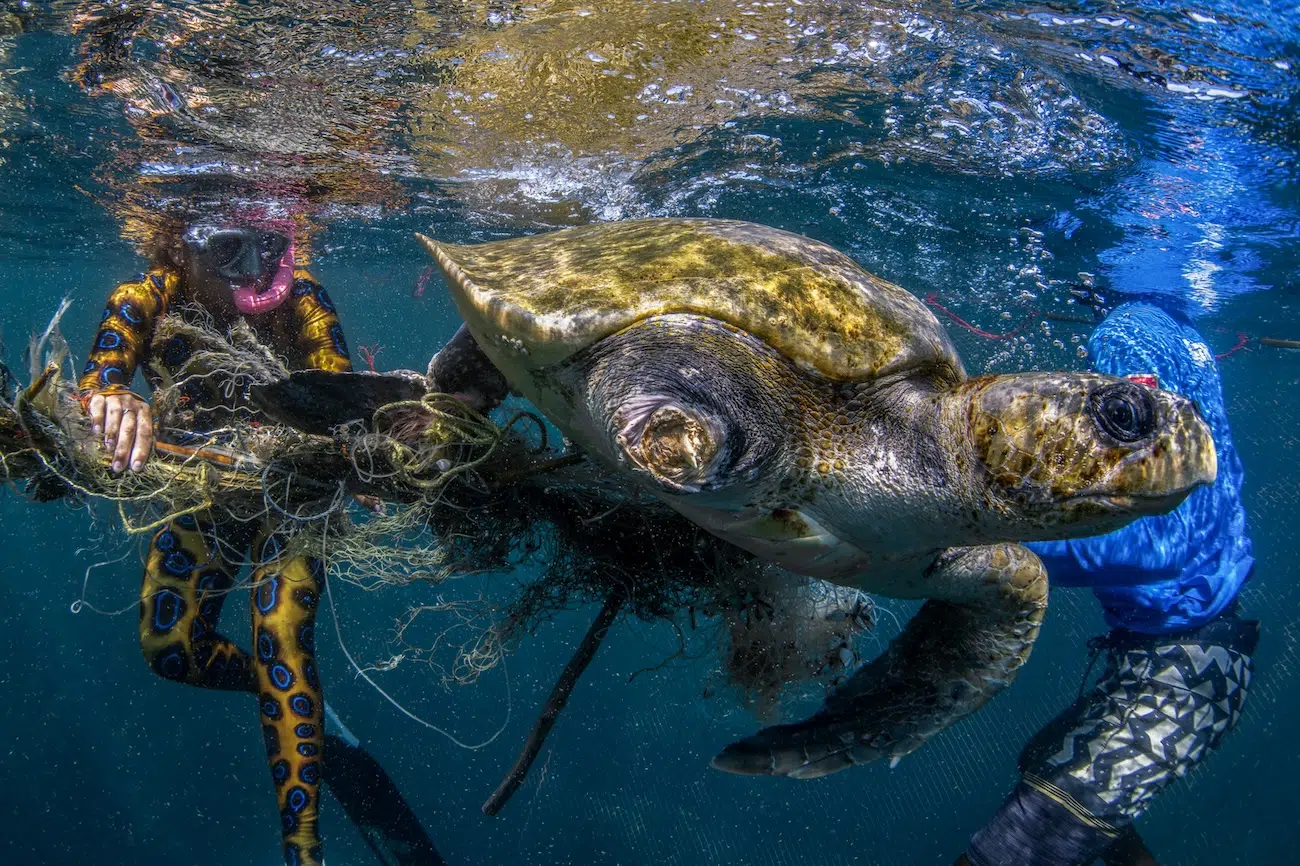
Image source: Dive Photo Guide
“While on an expedition in Sri Lanka, we encountered an olive ridley turtle ensnared in ghost fishing nets, drifting amid the active gear of a nearby fishing boat. After speaking with the fishermen and receiving their permission, my wife and I, along with our boat captain, entered the water to help free the animal. As we worked, we discovered the turtle was already missing a front flipper, likely the result of a previous entanglement. Carefully cutting away the ropes, we released its trapped back flipper and watched as it swam free—now relying on only two flippers on one side of its body. The turtle disappeared into the blue, its ultimate fate remaining unknown. What stayed with me was its resilience and undeniable will to survive. I hope this image resonates with the wider public, serving as a quiet but powerful reminder of the lasting impact human activities have on these remarkable marine creatures.”
#5 Over-Under, Gold. Anton Sorokin (U.S.A.), “Sierran Gold.” Shooting location: Sierra Nevada mountains, CA, U.S.A. Copyright © Anton Sorokin
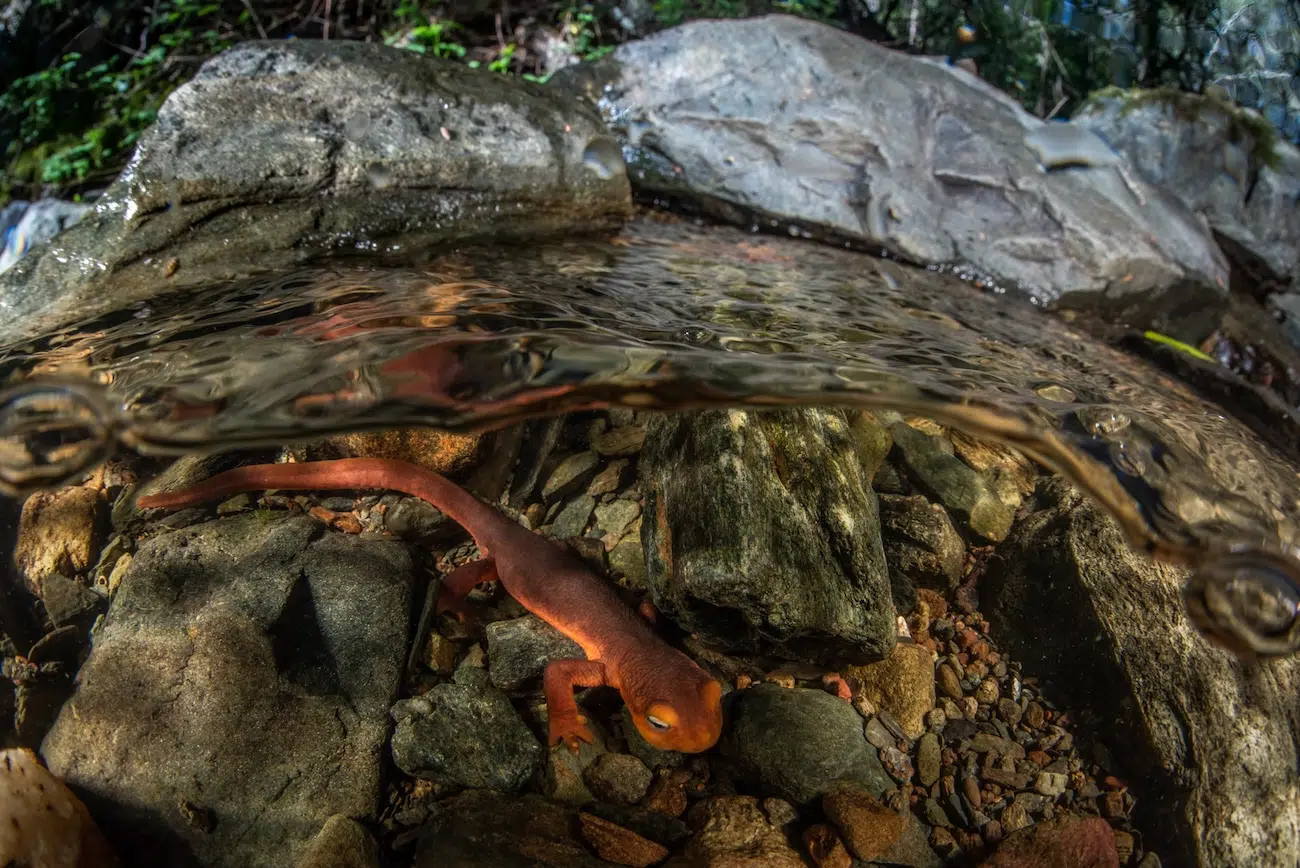
Image source: Dive Photo Guide
“In the spring, in California’s Sierra Nevada mountains, streams fed by snowmelt flow cold and clear. Remarkably resistant to the cold temperatures, Sierra newts (Taricha sierrae) take to the water to breed, spending weeks in the stream. During this time, they will find a mate and lay their eggs on the underside of boulders underwater in deeper pools. From above the water’s surface, a newt appears as a golden-orange shimmer on the bottom of the fast-flowing stream; one has to wonder how often during California’s gold rush prospectors mistook the amphibians for precious metals!”
#6 Compact, Gold. Manuel Wüthrich (Switzerland), “Tree of Life.” Shooting location: Cenote Dos Pisos, Mexico. Copyright © Manuel Wüthrich
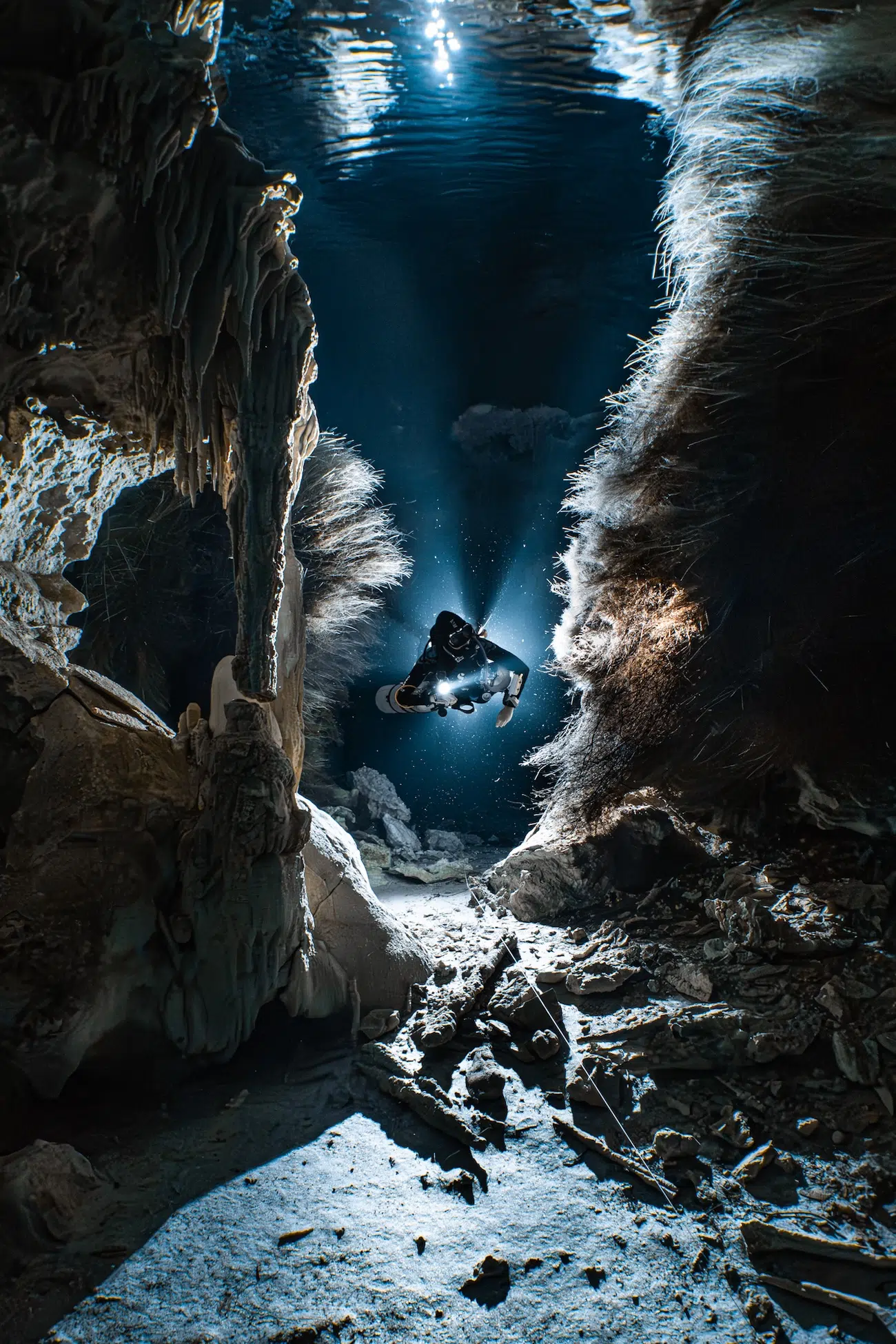
Image source: Dive Photo Guide
“In Mexico’s Cenote Dos Pisos, earth, water, and time merge into a single, breathing organism. Roots break through the ceiling of the cave and reach deep into the water. Light filters through the earth, bathing the scene in a mysterious glow. Millennia have shaped these formations, and yet everything feels alive. When I dove there, it was the silence that struck me. It was as if nature whispered its story—of rain seeping through limestone, of roots searching for life, and of light offering hope. It was a moment that reminded me how deeply everything is connected.”
#7 Cold Water, Gold. Francesco Visintin (Italy), “Blue Crayfish.” Shooting location: Tuscany, Italy. Copyright © Francesco Visintin
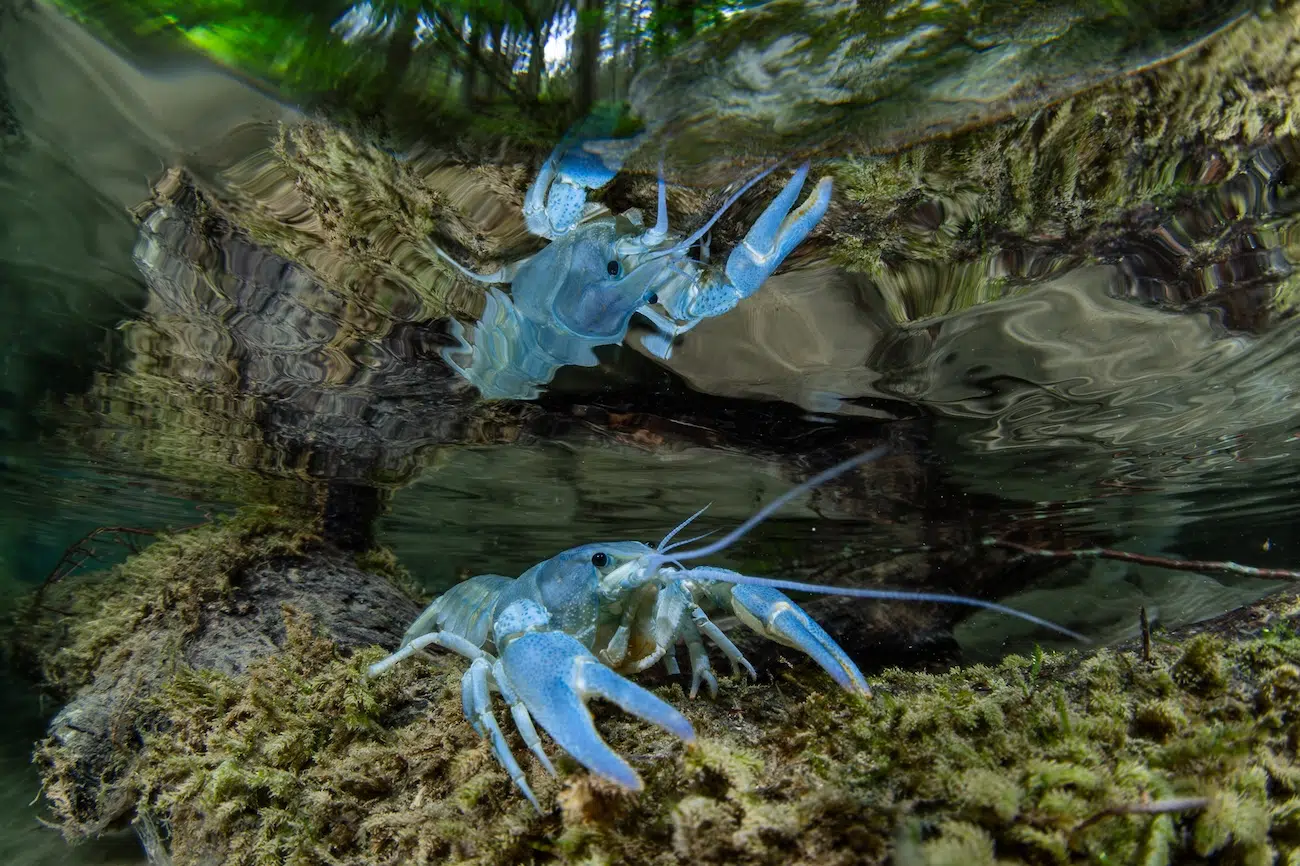
Image source: Dive Photo Guide
“This freshwater crayfish (Austropotamobius pallipes italicus) displays an extraordinary blue coloration caused by a rare genetic mutation. While the species is normally camouflaged in hazel or olive tones to blend with the riverbed, a disrupted bond between carotenoid pigments and specific proteins reveals this striking blue hue, an exceptionally uncommon phenomenon in nature. Beyond its unusual appearance, this species is a sensitive indicator of ecosystem health, surviving only in pristine freshwater environments with stable temperatures, high oxygen levels, and minimal human disturbance. Today, its populations are in severe decline due to habitat fragmentation and degradation, the spread of pathogenic agents such as crayfish plague, and increasing pressure from invasive alien predators, including raccoons.”
#8 Unrestricted, Gold. Karyll Gonzalez (U.S.A.), “Even Eyes Deserve a Spa Day.” Shooting location: Lembeh Strait, Indonesia. Copyright © Karyll Gonzalez
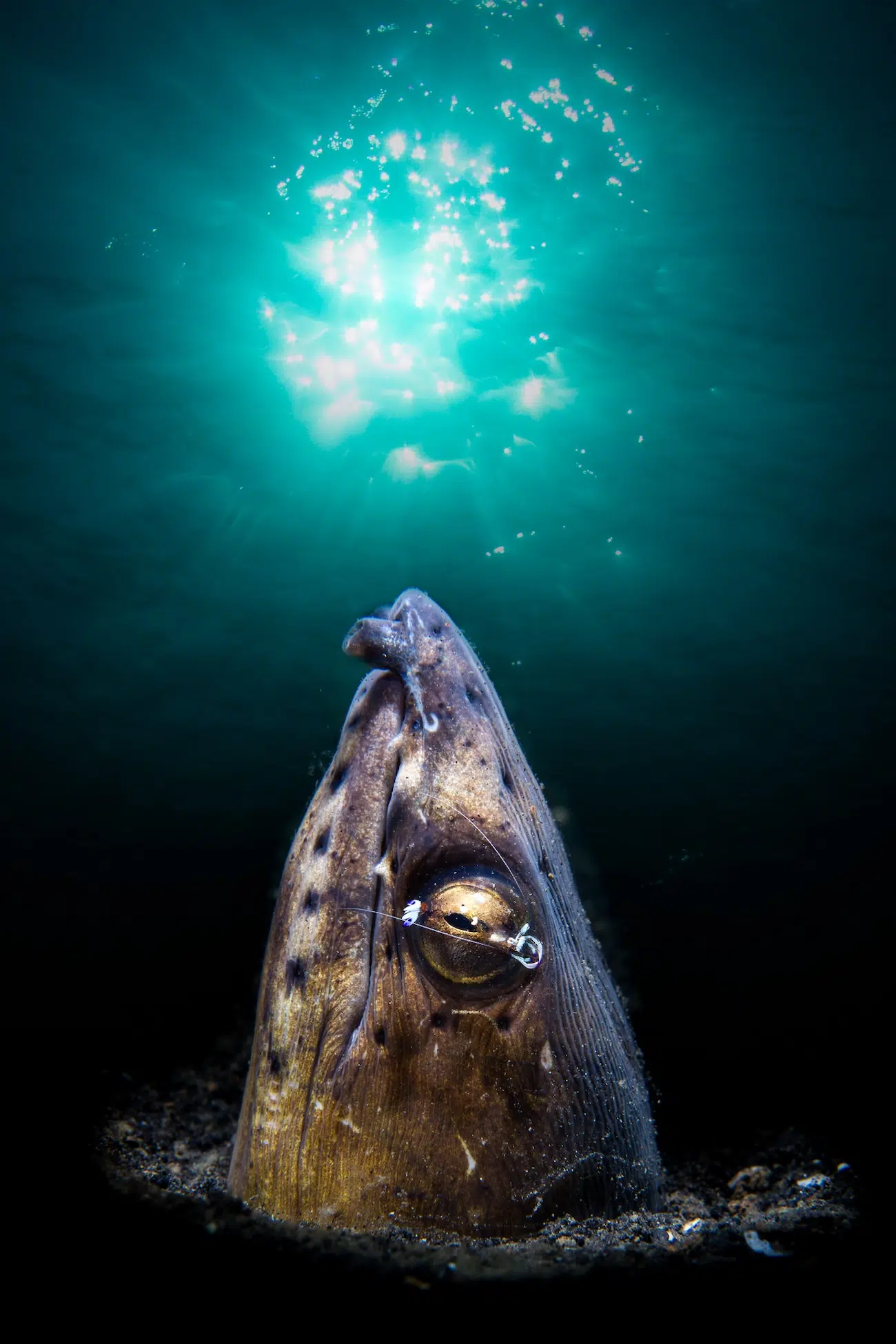
Image source: Dive Photo Guide
“This composite image was created during a multi-week trip to Lembeh, Indonesia. Our dive guide found a black sand patch with multiple snake eels, but this was the only one that had cleaner shrimp associated with it. With the dive guide assisting by holding my snoot, the shrimp moved along the snake eel and I managed to capture this shot with the crustacean over its eye. The sun ball that forms the background was shot later on the trip.”
#9 Cold Water, Silver. James Ferrara (U.S.A.), “Killer Light.” Shooting location: Norway. Copyright © James Ferrara
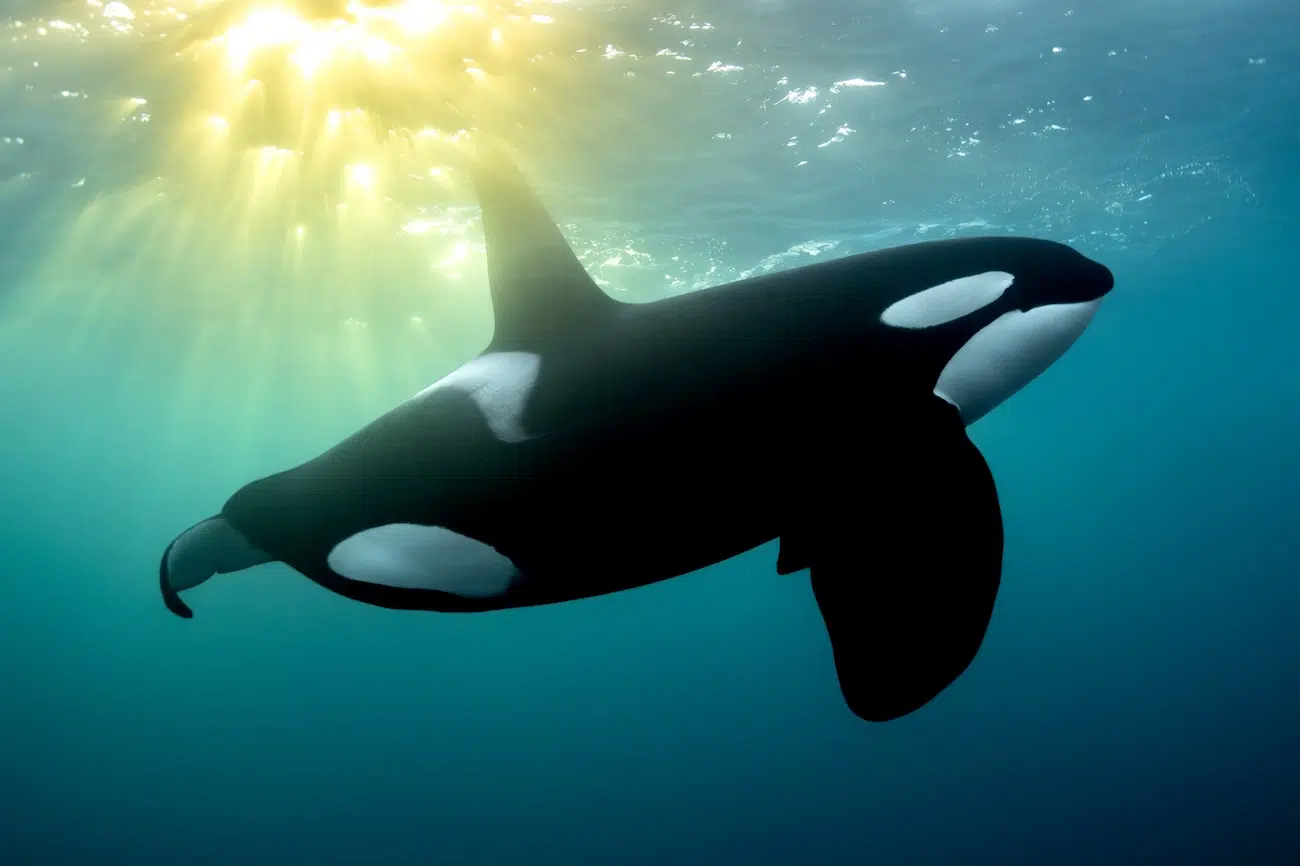
Image source: Dive Photo Guide
“I set out to photograph orcas in the frigid fjords of Norway, where conditions can be unpredictable and often unforgiving. During my time there, however, the weather was nothing short of extraordinary. On this particular day, the sun shone brightly beneath a clear blue sky—an uncommon gift for this time of year. A pod of roughly 10 orcas was actively feeding on herring when one individual broke away from the group and moved toward the light. I followed at a distance as the orca swam calmly into the sunlit water, then suddenly turned and headed directly toward me. At the last possible moment, it veered aside, offering a perfectly framed, full-body view illuminated by cascading rays. Opportunities for a composition like this are rare, requiring timing, trust, and a great deal of luck. I feel incredibly fortunate to have witnessed—and captured—this fleeting, unforgettable moment in the wild.”
#10 Compact, Silver. Johan Letang (France), “In Meditation.” Shooting location: Tahiti, French Polynesia. Copyright © Johan Letang
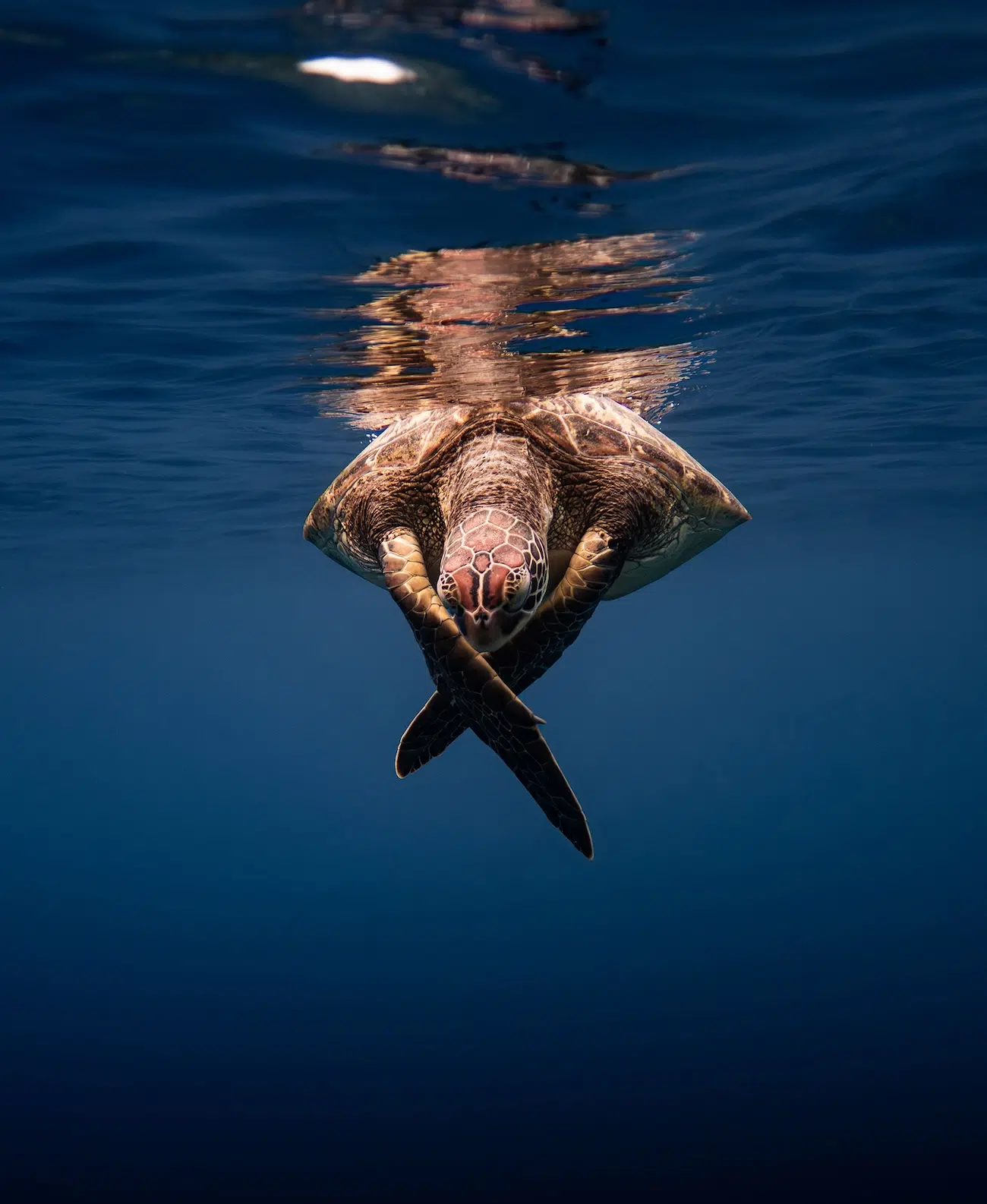
Image source: Dive Photo Guide
“This is my favorite snorkeling spot in Tahiti, a place I return to again and again, never expecting the same encounter twice. That day, the ocean offered me this turtle, which was unusually calm and serene. When she rose to the surface, she didn’t simply take a breath and drift back down to rest on the reef. She stayed there, suspended between the marine world and the air above. Floating effortlessly, she slowly changed her position, adjusting her body as if searching for perfect alignment with her surroundings. Watching her, I had the strange and powerful feeling of being in the presence an animal in meditation. It reminded me why I keep coming back. You can enter the same water dozens of times, yet every immersion is a rediscovery of the marine world and its inhabitants, always offering something new to those willing to pause and observe.”
#11 Conservation, Silver. Daniel Taylor (Mexico), “Entangled Fates.” Shooting location: Baja California Sur, Mexico. Copyright © Daniel Taylor
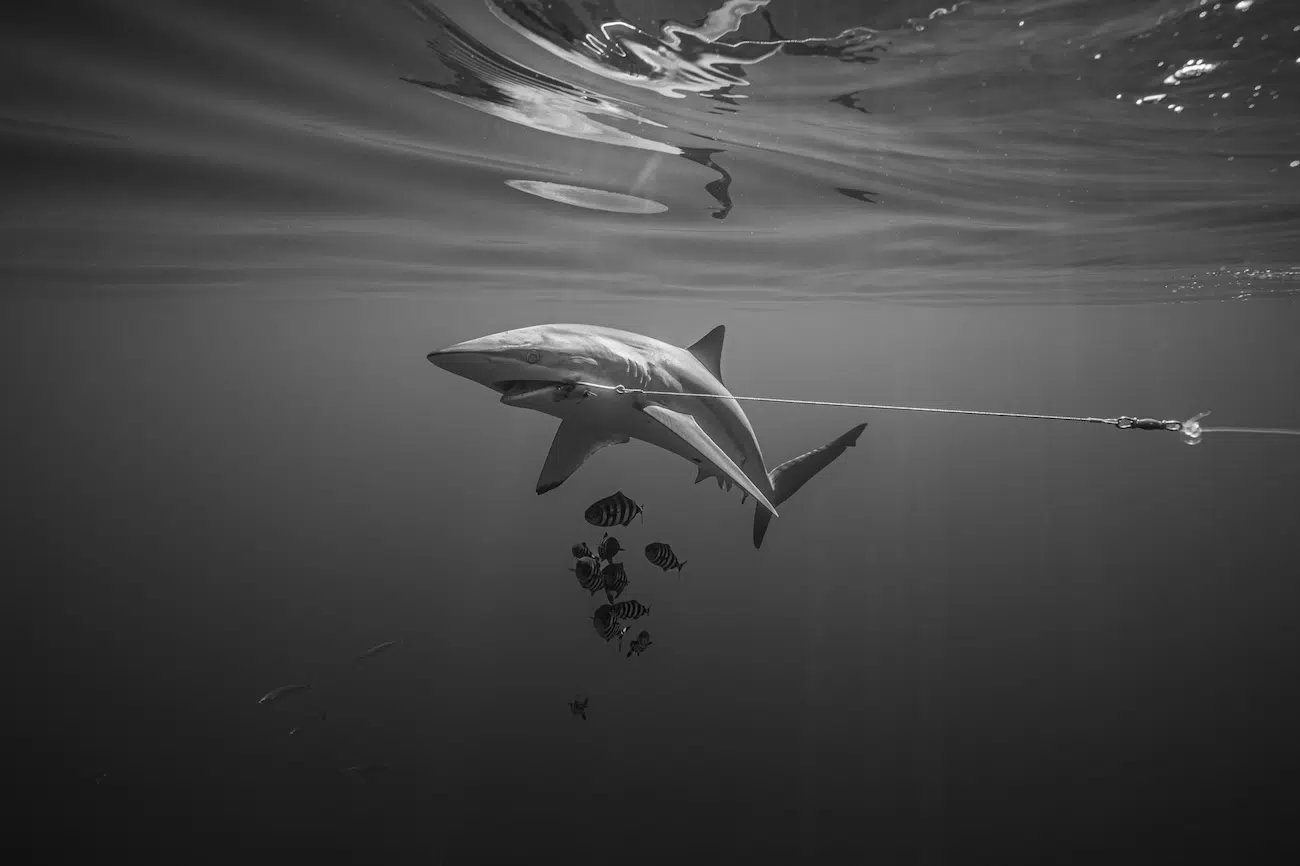
Image source: Dive Photo Guide
“On August 2nd, 2025—less than 48 hours after Baja California’s annual three-month shark fishing ban was lifted—I was exploring the ocean with friends when something caught my eye through binoculars in the distance. At first, it looked like drifting trash. But as we approached, two small fin tips barely breaking the surface beside an empty plastic soda bottle revealed the truth: This male silky shark had mistaken a meal for survival, and lost.
Here, shark fishing often exists within complex and sometimes illegal networks, where intervening can place one’s own life at risk. Before getting closer, we scanned the horizon for nearby boats that might have set the line. Knowing what I would find, our captain stood watch as I entered the water. In that moment, our paths were bound by the same line, but with very different outcomes. The shark’s fate was sealed; mine was a choice. Unable to free it without putting myself in danger, I used the only tool I could safely employ: my camera. I hope the images I took will help to give a voice to those entangled in a system they cannot escape or fight against.”
#12 Macro, Silver. Wojtek Męczyński (Poland), “Pregnant Denise.” Shooting location: Lembeh, Indonesia. Copyright © Wojtek Męczyński
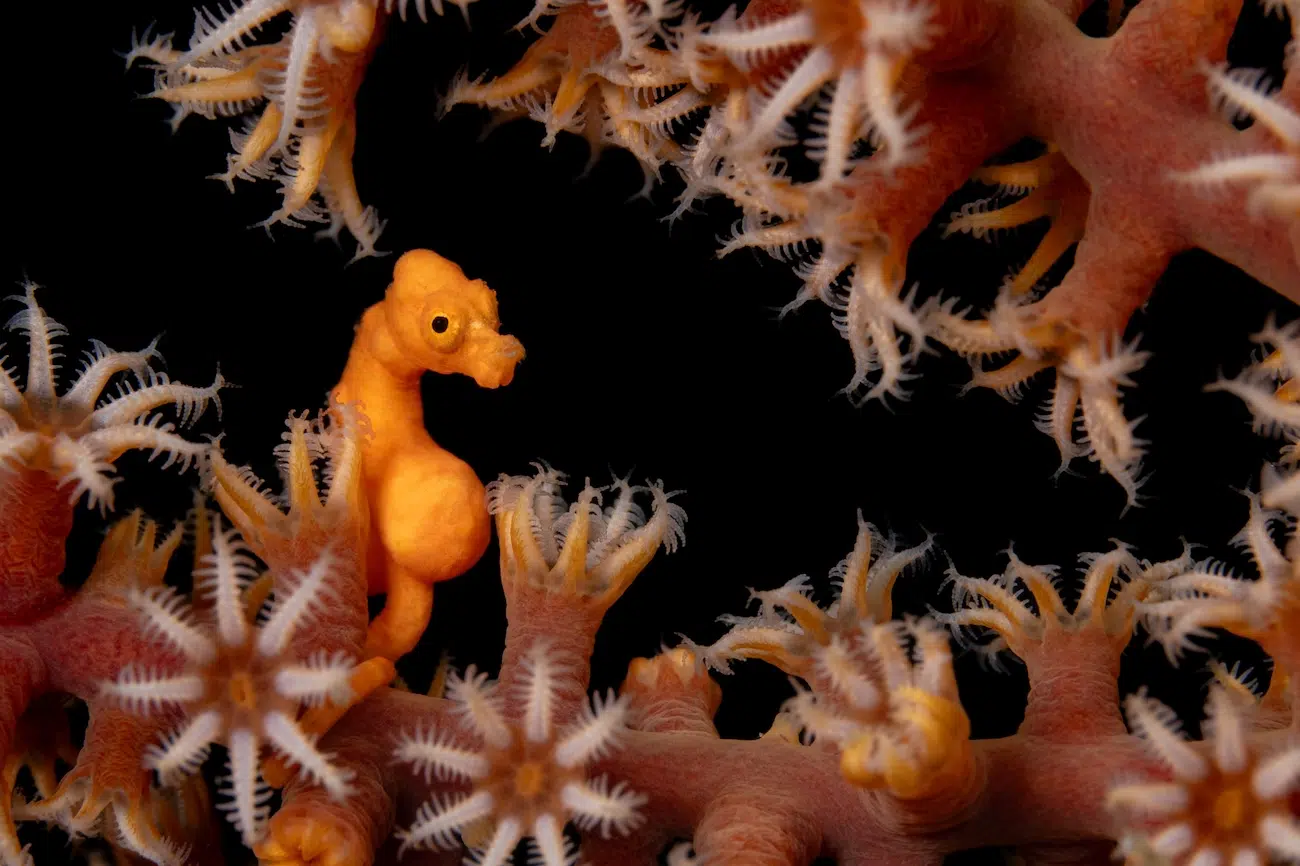
Image source: Dive Photo Guide
“Prior to this dive, our guides had mentioned that there was a possibility of encountering a Denise’s pygmy seahorse, but after entering the water, there wasn’t much to see and I remember thinking our chances were slim. Yet, when we reached this small, pristine fan coral, I was amazed—and overjoyed—to find this tiny, pregnant pygmy living there. I took just three or four shots, trying not to disturb the animal too much. It seemed to pose proudly among the branches of the fan.”
#13 Unrestricted, Silver. Fan Ping (China), “Skull at Green Cave Sink.” Shooting location: Meizhou, Guangdong, China. Copyright © Fan Ping
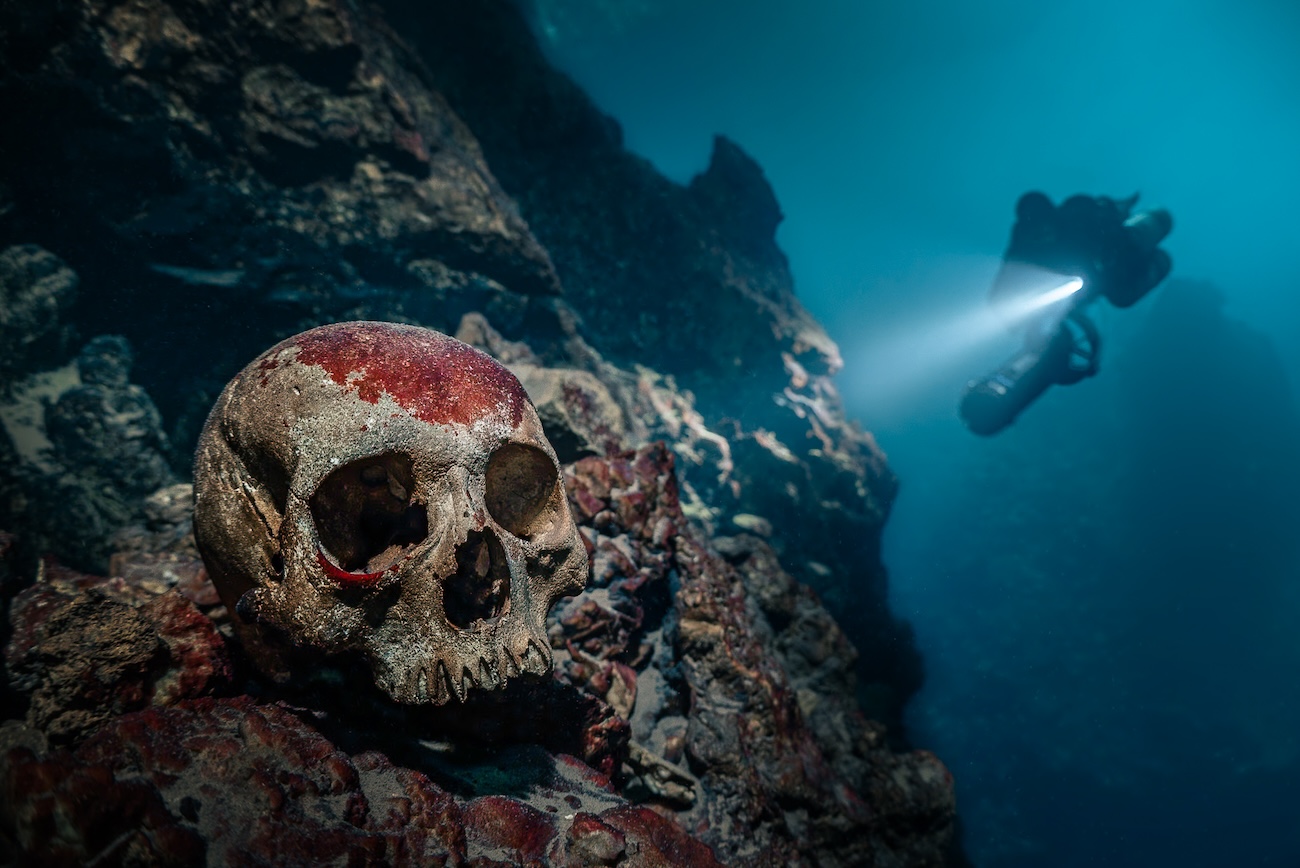
Image source: Dive Photo Guide
“The skull in this photo was the first human remains we saw after descending into Green Cave Sink (绿窟潭), which is thought to have once served as a site for ritual executions. It was resting quietly on a rock ledge, just 15 feet below the surface. Over time, minerals in the water had begun to coat its surface, leaving behind distinct signs of calcification—like a silent rust left by the passing of centuries. In that moment, I didn’t feel fear, or even fascination. What I felt was heavier: This wasn’t a movie prop, or a prank planted by some thrill-seeking explorer. It was real. Someone once lived here. And now, they remained here.”
#14 Traditional, Silver. Galice Hoarau (Norway), “Shaw’s Sea Snake.” Shooting location: Anda, Bohol, Philippines. Copyright © Galice Hoarau
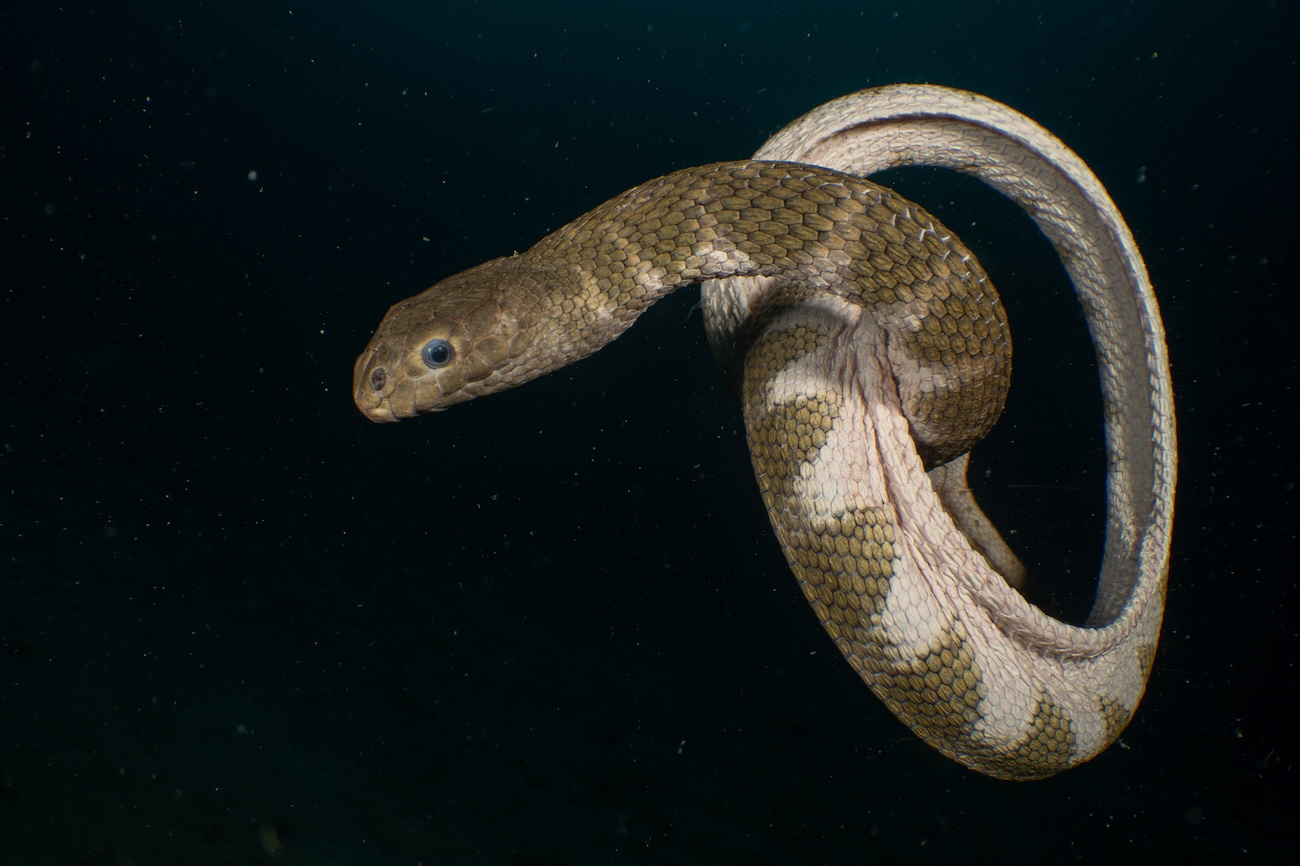
Image source: Dive Photo Guide
“Encountering this sea snake (Hydrophis sp.) during a dive off Anda in the Philippines, I noticed some rather unusual behavior. First, the snake was rubbing itself on the sand in a vertical U-shape, then it was literally tying itself in knots. I could see pieces of skin hanging at the tail—it was shedding! Although sea snakes are known to exhibit such behavior to help slough off their old skin, it has rarely been captured in a photo—so I knew I had captured something special.”
#15 Wide Angle, Silver. Evgenii Ivkov (Russia), “Through the Looking Glass.” Shooting location: Lakey Peak, Sumbawa, Indonesia. Copyright © Evgenii Ivkov
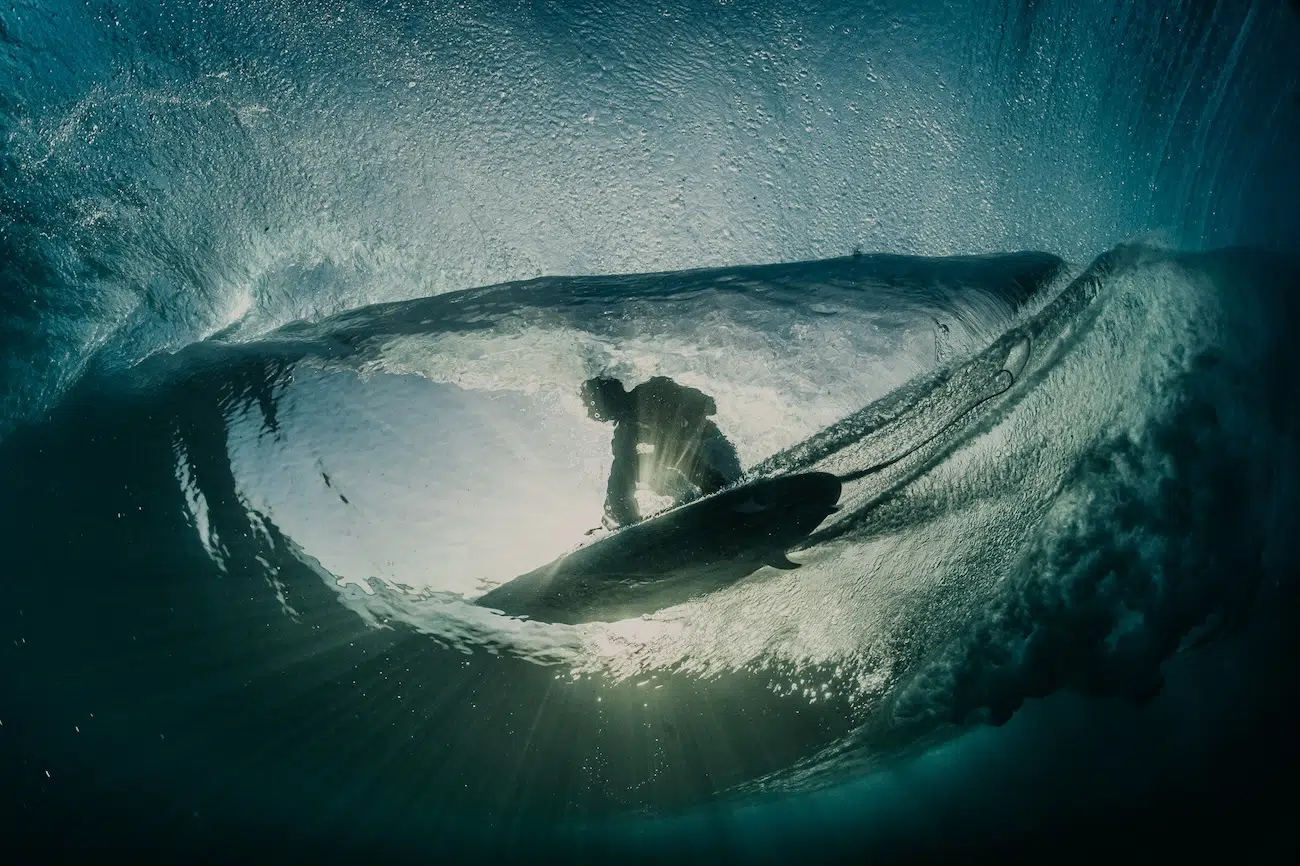
Image source: Dive Photo Guide
“There was a good weather forecast on this particular day of our surf trip to Sumbawa, and I knew I had a great opportunity to try and get some underwater shots with a surfer in a tube, as the water clarity and conditions were perfect. The hardest part was constantly being in the breaking zone of fairly large and powerful waves. You need to understand and read the ocean well to do that. A small mistake can be very costly if you’re in the wrong place. The swell that day was great. The waves were double overhead, and the surfers put on a show. I spent almost two hours in the water and made numerous attempts before I got a really good series. The best waves were taken by local surfers, and one of the Indonesian surfers is in the photo.”





 has once again plunged us into the hidden wonders beneath the waves, showcasing some award-winning images that redefine what’s possible in underwater photography. From the synchronized dance of humpback...&p[url]=https://www.demilked.com/2025-underwater-photo-contest-dive-photo-guide/&p[images][0]=https://static.demilked.com/wp-content/uploads/2026/02/2025-underwater-photo-contest-dive-photo-guide.png)
Got wisdom to pour?