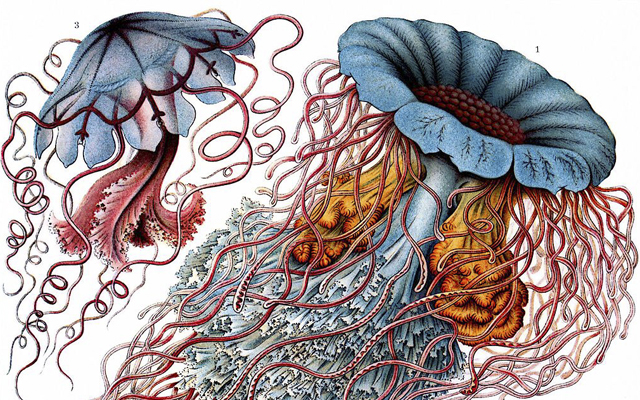
19th Century Biological Illustrations That Still Inspire Scientists And Artist Around The World
Ernst Haeckel was a scientist, philosopher, a true Darwinist, and a controversial personality, who, because of his views and theories, was named to be “one of the best-loved and one of the most hated men of his age” by his colleague Richard Goldschmidt. Despite the long list of his achievements and arguable statements, one can surely call him an artist who, through the use of his colorful and impeccably detailed illustrations, helped to popularize the theory of evolution.
Ernst Haeckel was a scientist, philosopher, a true Darwinist, and a controversial personality, who, because of his views and theories, was named to be “one of the best-loved and one of the most hated men of his age” by his colleague Richard Goldschmidt. Despite the long list of his achievements and arguable statements, one can surely call him an artist who, through the use of his colorful and impeccably detailed illustrations, helped to popularize the theory of evolution.
Using illustrations of embryos, jellyfishes, and creatures the rest of the world had never seen or dared to imagine back in the day, the scientist strived to inform the public about the immense biological variety of the world. He married science and art in the drawings by staying true to the facts and keeping the artistic aesthetics in mind. Hence, it's no surprise that, to this day, Haeckel's work serves as an inspiration for many artists (you can find a few contemporary examples here and here)
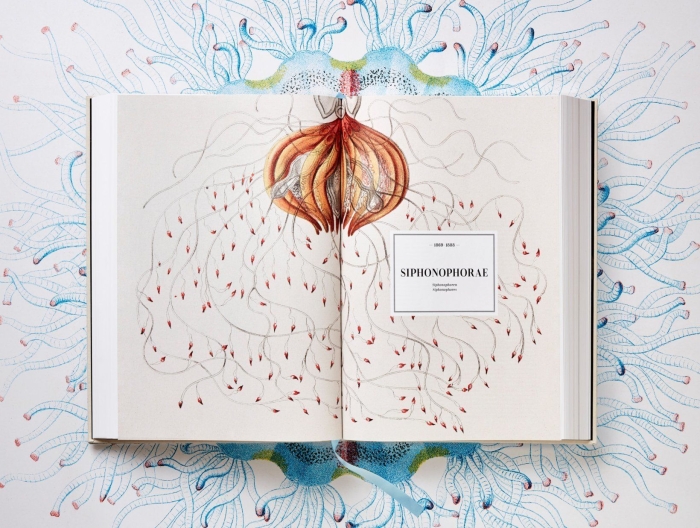
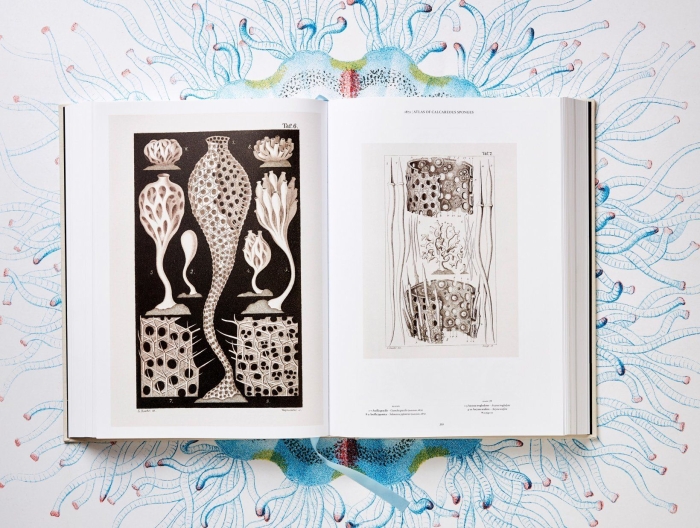
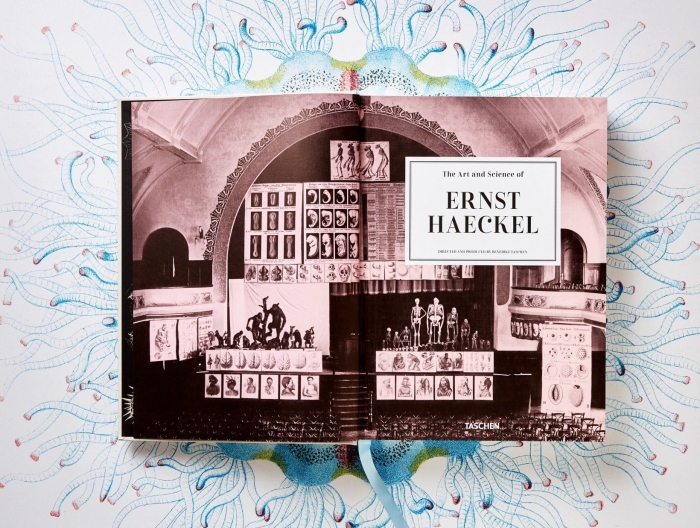
To celebrate the scientific, artistic, and environmental importance of Haeckel's work, taschen has just released an impressive collection of 450 gorgeous illustrations with commentary in French, German, and English. Scroll down to see the remarkable work that is claimed to be so precise, it can still be used in modern-day textbooks. Click here to get your copy.
Image sources: taschen | wikimedia (h/t colossal)
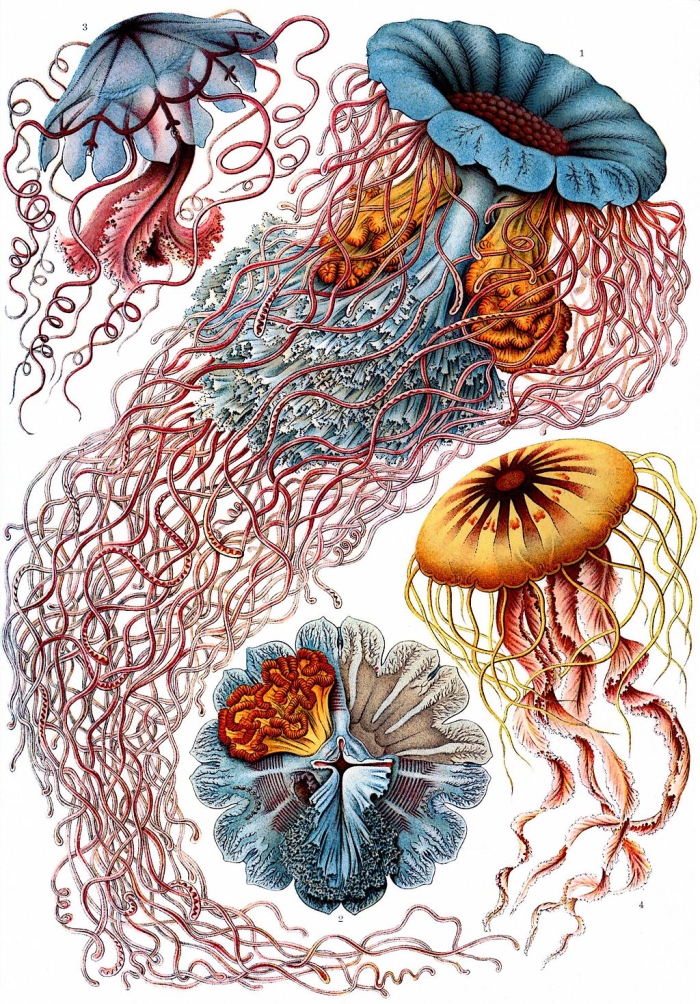
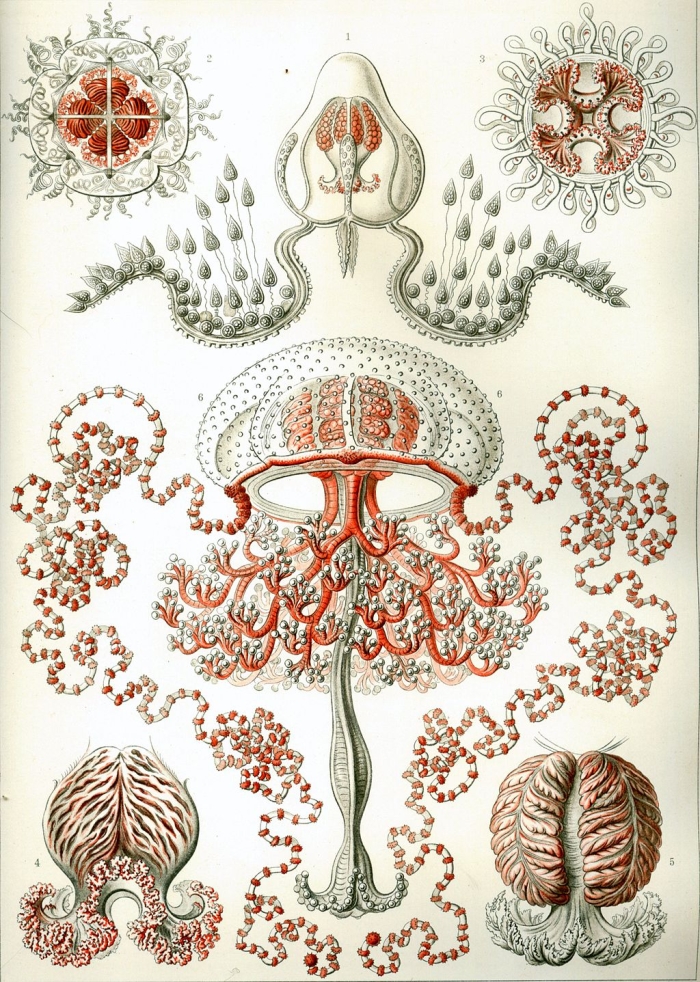
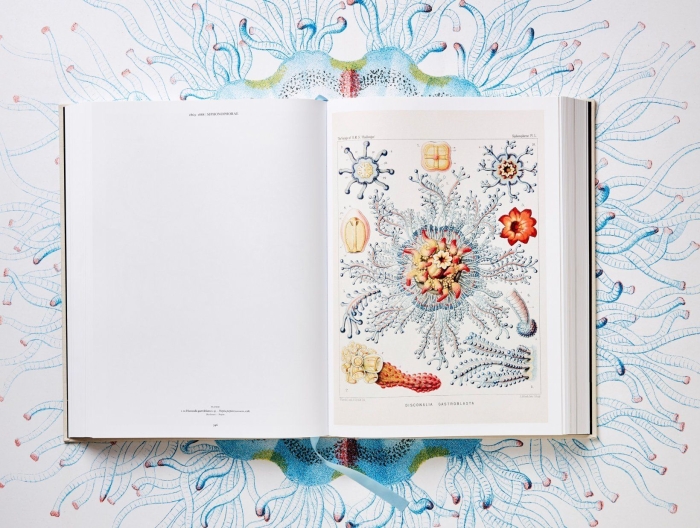
Discomedusae, from Artforms of Nature, 1899–1904
Discomedusae, from Artforms of Nature, 1899–1904
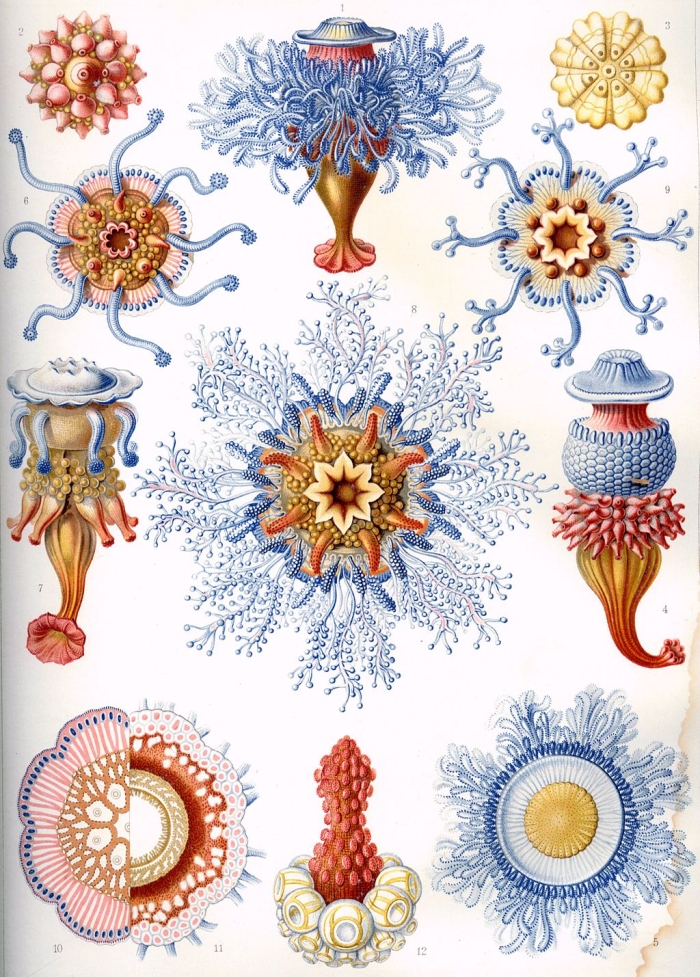
Siphonophores from Artforms of Nature, 1899–1904
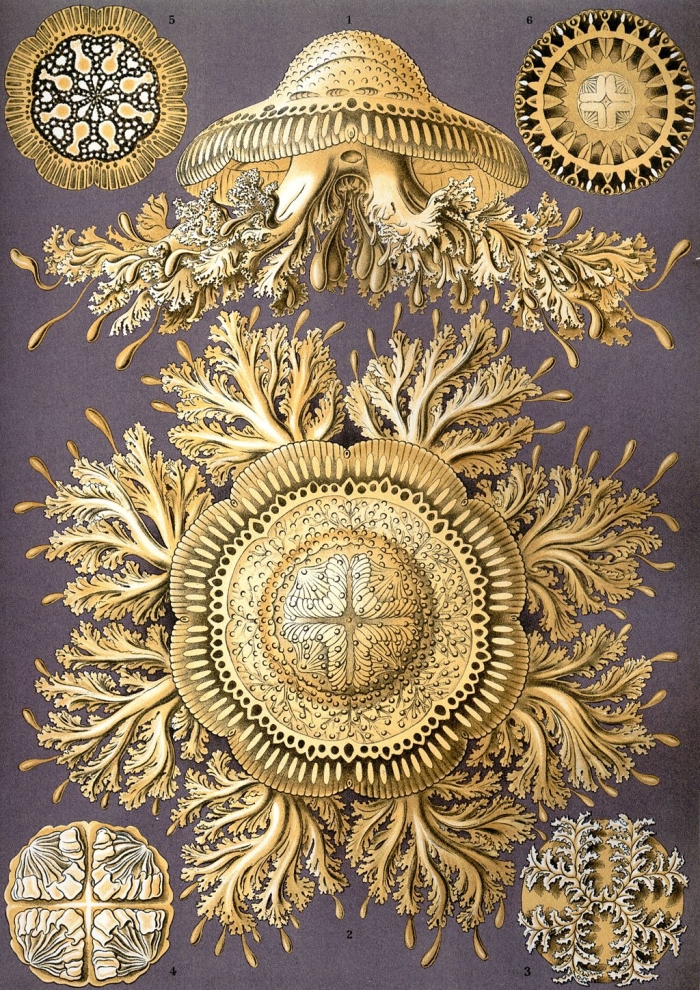
Monograph on the Medusae, Artforms of Nature, 1899–1904
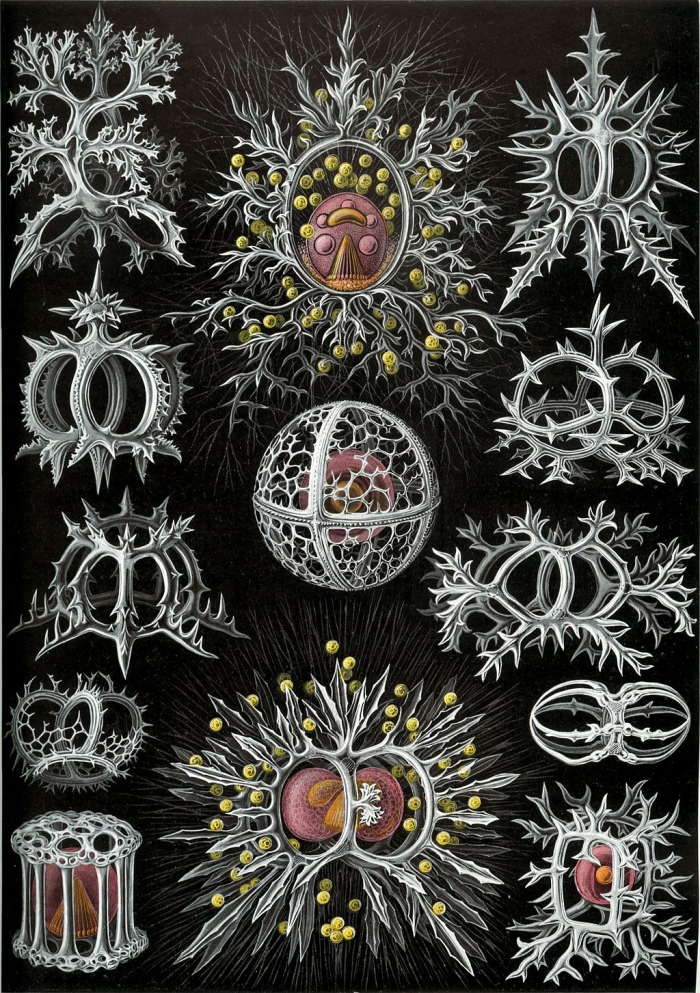
Radiolarians, from Artforms of Nature, 1899–1904
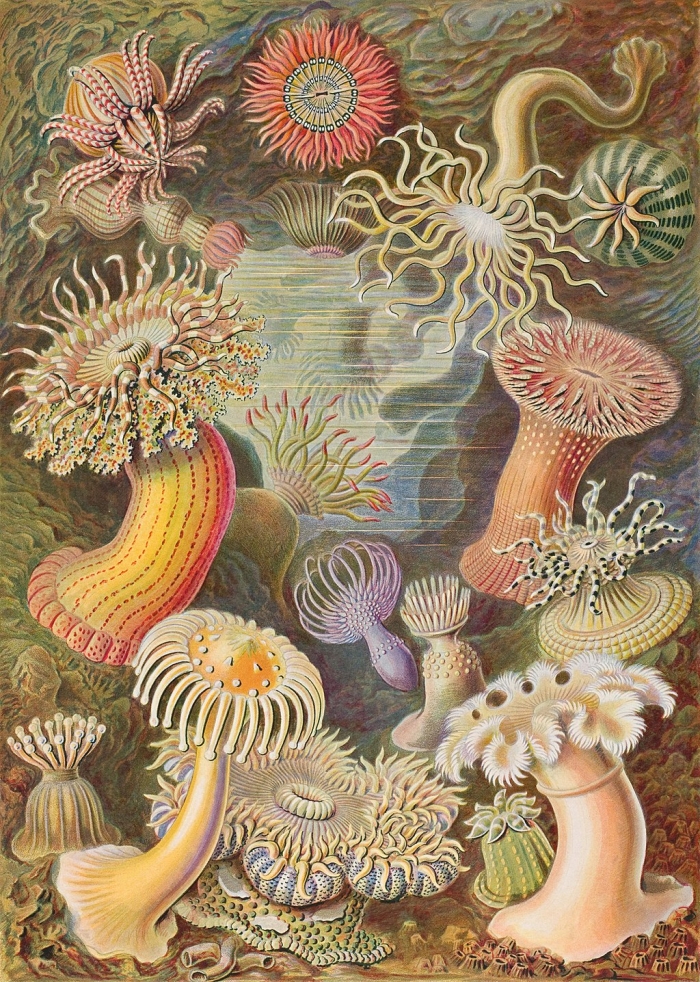
Actiniae from Artforms of Nature, 1899–1904
Report on the Siphonophorae, 1888
Report on the Siphonophorae, 1888
Atlas of Calcareous Sponges, 1872
The Art and Science of Ernst Haeckel is published by Taschen
DE
Written by
Demilked Editorial
SaaS Review Specialist · Demilked
With 5+ years in the creator, entertainment, and publishing spaces, Demilked shortlists, reviews, and ranks leading tools that actually make your life easier.