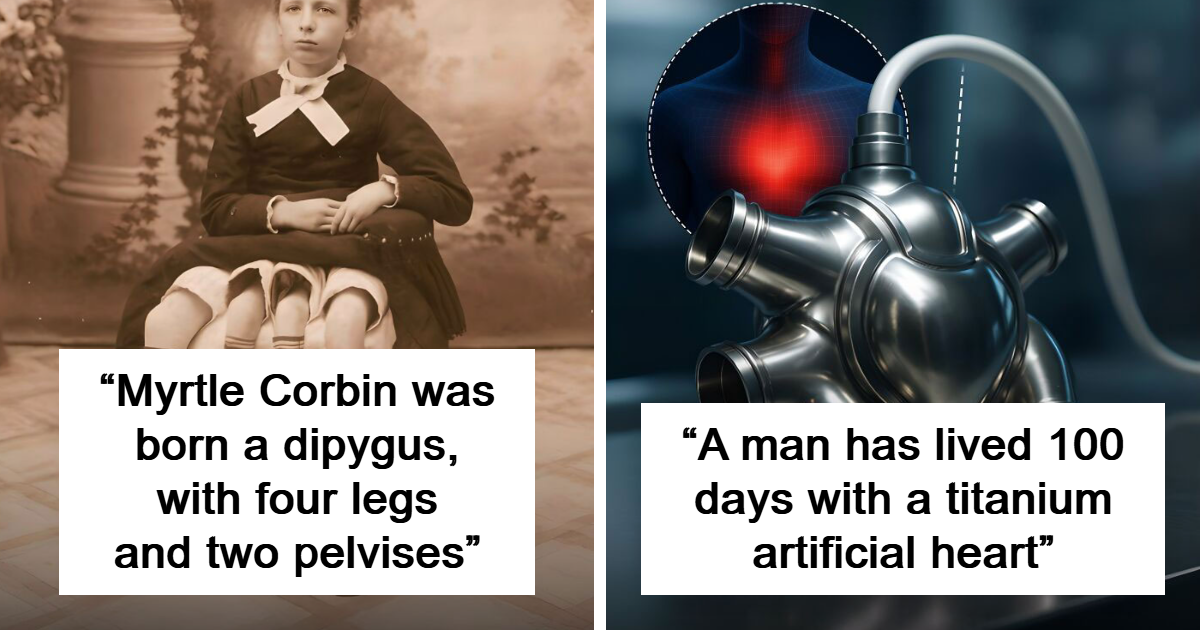
40 Fascinating Human Body Facts You Probably Never Learned In School
Independently testedUnbiased Demilked scoreFree to implementTools included
We spend our entire lives inside the human body, yet most of us barely know what it’s capable of. Sure, school taught us the basics, but it left out the truly mind-bending stuff. From organs that perform unexpected side jobs to cells that behave like tiny superheroes, the human body is full of secrets waiting to be uncovered.
Some of these facts are weird, some are impressive, and some might make you question how your own body is functioning right now. But all of them shine a light on the incredible machinery quietly keeping us alive. Here are some fascinating human body facts you probably never learned in school, guaranteed to make you say, “Wait, is that really true?”
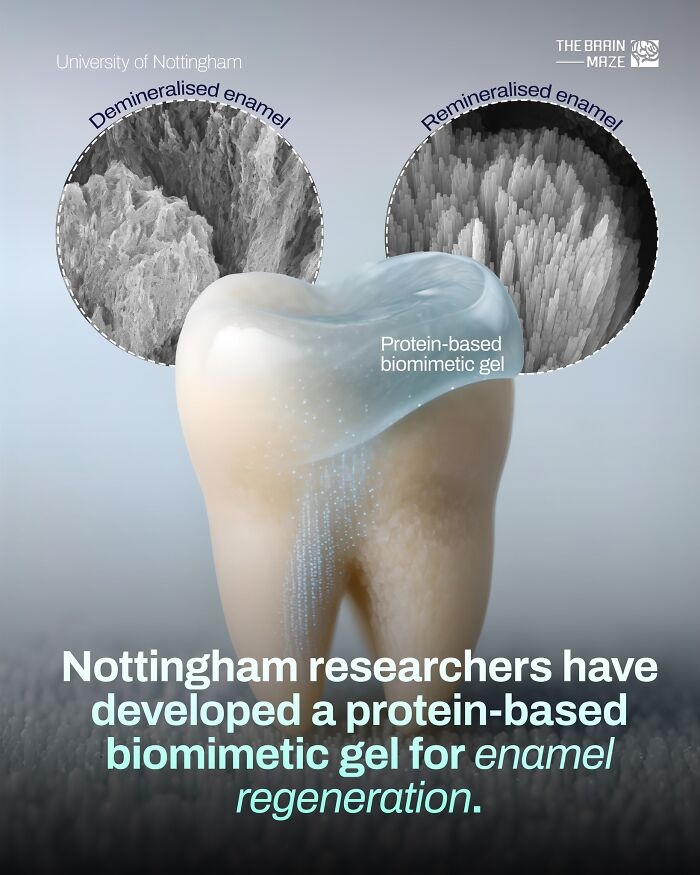 Image source: The Brain Maze
Scientists from the University of Nottingham have developed a new protein-based gel that can repair and regenerate tooth enamel by mimicking how it naturally forms in infants.
The gel acts as a scaffold for calcium and phosphate ions in saliva, helping to rebuild and strengthen damaged enamel.
The team, led by Professor Alvaro Mata, says the treatment is easy to apply and could be available to patients as early as next year.
Experts believe it could transform dental care by addressing decay, sensitivity, and enamel erosion more effectively than current methods.
Many are calling it a long-awaited breakthrough in restoring natural enamel and preventing oral diseases worldwide.
Image source: The Brain Maze
Scientists from the University of Nottingham have developed a new protein-based gel that can repair and regenerate tooth enamel by mimicking how it naturally forms in infants.
The gel acts as a scaffold for calcium and phosphate ions in saliva, helping to rebuild and strengthen damaged enamel.
The team, led by Professor Alvaro Mata, says the treatment is easy to apply and could be available to patients as early as next year.
Experts believe it could transform dental care by addressing decay, sensitivity, and enamel erosion more effectively than current methods.
Many are calling it a long-awaited breakthrough in restoring natural enamel and preventing oral diseases worldwide.
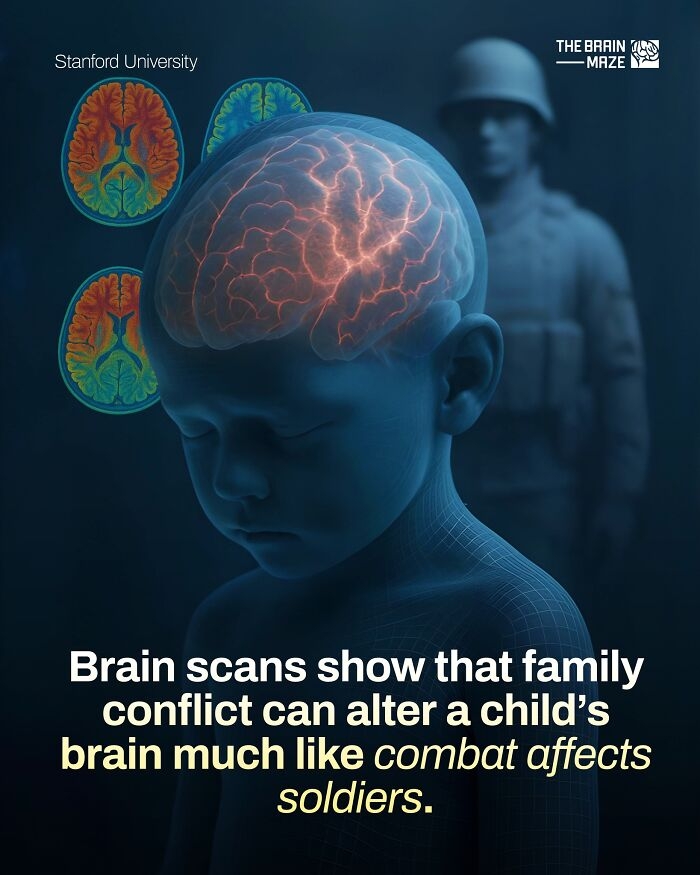 Image source: The Brain Maze
Children who grow up in homes filled with frequent conflict can experience neurological changes that resemble those seen in soldiers returning from combat.
According to researchers at Stanford University, prolonged exposure to emotional tension triggers stress-response systems in the developing brain.
Brain scans in the study revealed heightened activity in regions linked to fear, vigilance, and emotional regulation.
These shifts suggest that even non-physical forms of conflict can have deep and lasting biological impacts on children.
The findings highlight the urgent need for supportive family environments and early intervention.
Image source: The Brain Maze
Children who grow up in homes filled with frequent conflict can experience neurological changes that resemble those seen in soldiers returning from combat.
According to researchers at Stanford University, prolonged exposure to emotional tension triggers stress-response systems in the developing brain.
Brain scans in the study revealed heightened activity in regions linked to fear, vigilance, and emotional regulation.
These shifts suggest that even non-physical forms of conflict can have deep and lasting biological impacts on children.
The findings highlight the urgent need for supportive family environments and early intervention.
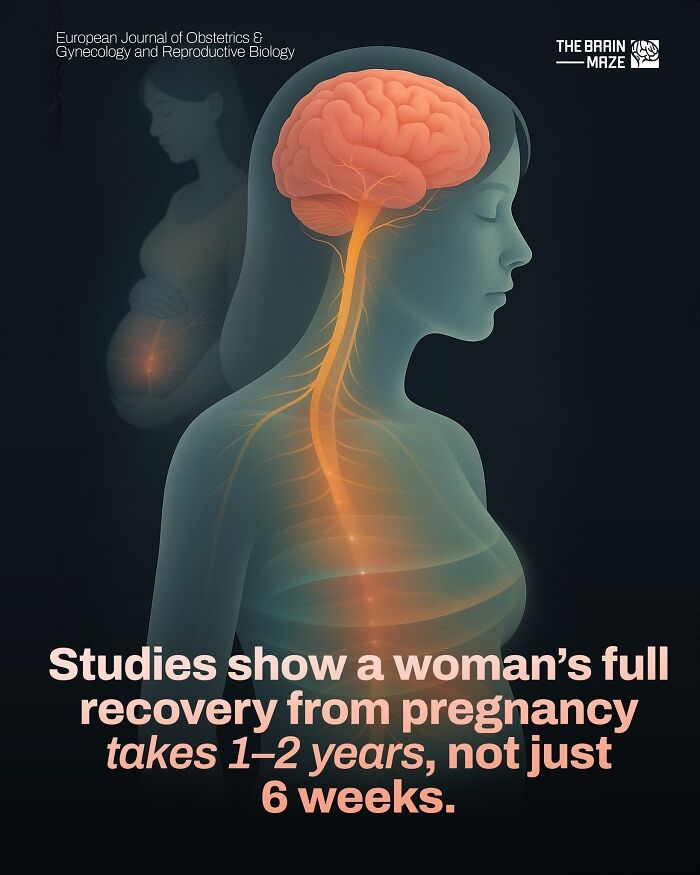 Image source: The Brain Maze
Research published in the European Journal of Obstetrics & Gynecology and Reproductive Biology reveals that a woman’s body requires far more time to fully recover after childbirth than previously believed. While traditional medical guidance suggests a six-week recovery period, the study indicates that complete physical, hormonal, and neurological restoration can take between one to two years. During this time, the body continues to heal internally, from organ repositioning and connective tissue repair to long-term hormonal rebalancing. The brain also undergoes gradual changes, adapting from pregnancy and postpartum shifts in cognition and emotion. These findings challenge conventional postpartum expectations and highlight the importance of long-term maternal care and recovery support.
Image source: The Brain Maze
Research published in the European Journal of Obstetrics & Gynecology and Reproductive Biology reveals that a woman’s body requires far more time to fully recover after childbirth than previously believed. While traditional medical guidance suggests a six-week recovery period, the study indicates that complete physical, hormonal, and neurological restoration can take between one to two years. During this time, the body continues to heal internally, from organ repositioning and connective tissue repair to long-term hormonal rebalancing. The brain also undergoes gradual changes, adapting from pregnancy and postpartum shifts in cognition and emotion. These findings challenge conventional postpartum expectations and highlight the importance of long-term maternal care and recovery support.
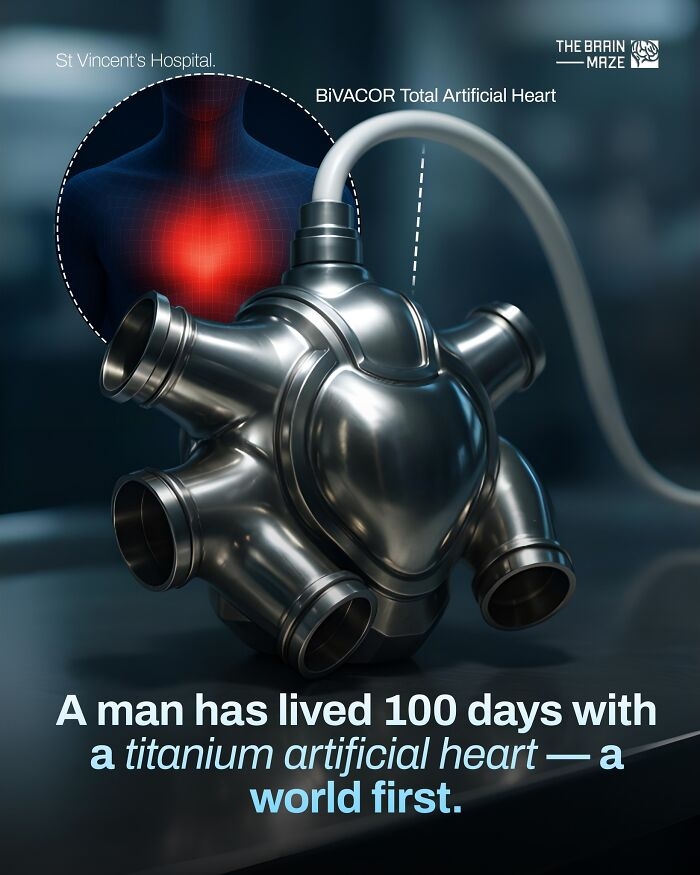 Image source: The Brain Maze
An Australian man has become the first person in the world to live outside a hospital with a titanium artificial heart called BiVACOR.
He lived with the device for 100 days before receiving a donor heart and is now recovering well. The BiVACOR, created by Dr. Daniel Timms, uses a magnetically floating rotor to pump blood through the body — meaning it has only one moving part and is less likely to wear out.
Doctors at St. Vincent’s Hospital in Sydney performed the surgery, while researchers like Dr. Joseph G.
Rogers from the Texas Heart Institute are leading trials in the United States.
This breakthrough could one day help people with severe heart failure who are waiting for transplants — or even become a long-term replacement for a human heart.
Image source: The Brain Maze
An Australian man has become the first person in the world to live outside a hospital with a titanium artificial heart called BiVACOR.
He lived with the device for 100 days before receiving a donor heart and is now recovering well. The BiVACOR, created by Dr. Daniel Timms, uses a magnetically floating rotor to pump blood through the body — meaning it has only one moving part and is less likely to wear out.
Doctors at St. Vincent’s Hospital in Sydney performed the surgery, while researchers like Dr. Joseph G.
Rogers from the Texas Heart Institute are leading trials in the United States.
This breakthrough could one day help people with severe heart failure who are waiting for transplants — or even become a long-term replacement for a human heart.
 Image source: The Brain Maze
 Image source: The Brain Maze
Owning a cat has been associated with a lower risk of heart attacks due to the calming and stress-reducing effects pets can provide. Research cited in the AHAIASA Journal suggests that the emotional comfort offered by cats may contribute to improved cardiovascular health. This calming interaction can help regulate stress responses that affect heart function. This study highlights how pet companionship—especially from cats—may play a meaningful role in supporting long-term heart wellness.
Image source: The Brain Maze
Owning a cat has been associated with a lower risk of heart attacks due to the calming and stress-reducing effects pets can provide. Research cited in the AHAIASA Journal suggests that the emotional comfort offered by cats may contribute to improved cardiovascular health. This calming interaction can help regulate stress responses that affect heart function. This study highlights how pet companionship—especially from cats—may play a meaningful role in supporting long-term heart wellness.
 Image source: The Brain Maze
Myrtle Corbin was born in 1868 in Tennessee with a rare condition called dipygus, which caused her to have two pelvises and four legs.
As a child, she became famous in sideshows under the name “The Four-Legged Girl from Texas.”
Despite the curiosity and attention she received, Myrtle was known for her intelligence, kindness, and poise.
She later married a doctor, James Clinton Bicknell, and together they raised five healthy children.
Her life stands as a story of resilience and grace, turning what others saw as a spectacle into a life of strength and normalcy.
Image source: The Brain Maze
Myrtle Corbin was born in 1868 in Tennessee with a rare condition called dipygus, which caused her to have two pelvises and four legs.
As a child, she became famous in sideshows under the name “The Four-Legged Girl from Texas.”
Despite the curiosity and attention she received, Myrtle was known for her intelligence, kindness, and poise.
She later married a doctor, James Clinton Bicknell, and together they raised five healthy children.
Her life stands as a story of resilience and grace, turning what others saw as a spectacle into a life of strength and normalcy.
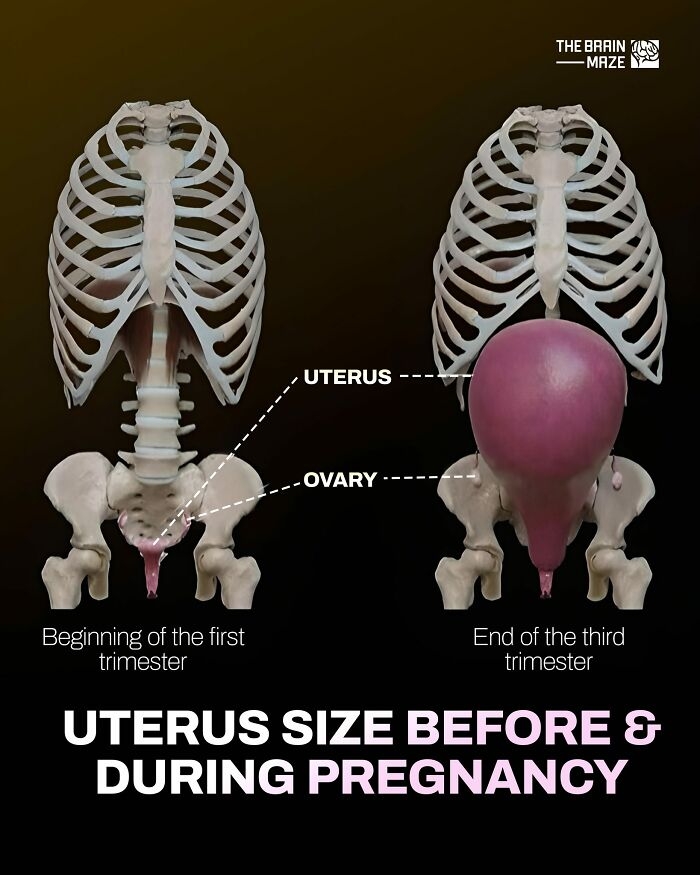 Image source: The Brain Maze
During pregnancy, the uterus undergoes one of the most dramatic transformations in the human body. At the beginning of the first trimester, it’s about the size of a small pear, tucked low in the pelvis. As the pregnancy progresses, the uterus expands upward, stretching and reshaping to accommodate the growing baby. By the end of the third trimester, it can reach up to the ribcage, displacing nearby organs. This remarkable expansion—over 500 times its original size—demonstrates the incredible adaptability of the female body.
Image source: The Brain Maze
During pregnancy, the uterus undergoes one of the most dramatic transformations in the human body. At the beginning of the first trimester, it’s about the size of a small pear, tucked low in the pelvis. As the pregnancy progresses, the uterus expands upward, stretching and reshaping to accommodate the growing baby. By the end of the third trimester, it can reach up to the ribcage, displacing nearby organs. This remarkable expansion—over 500 times its original size—demonstrates the incredible adaptability of the female body.
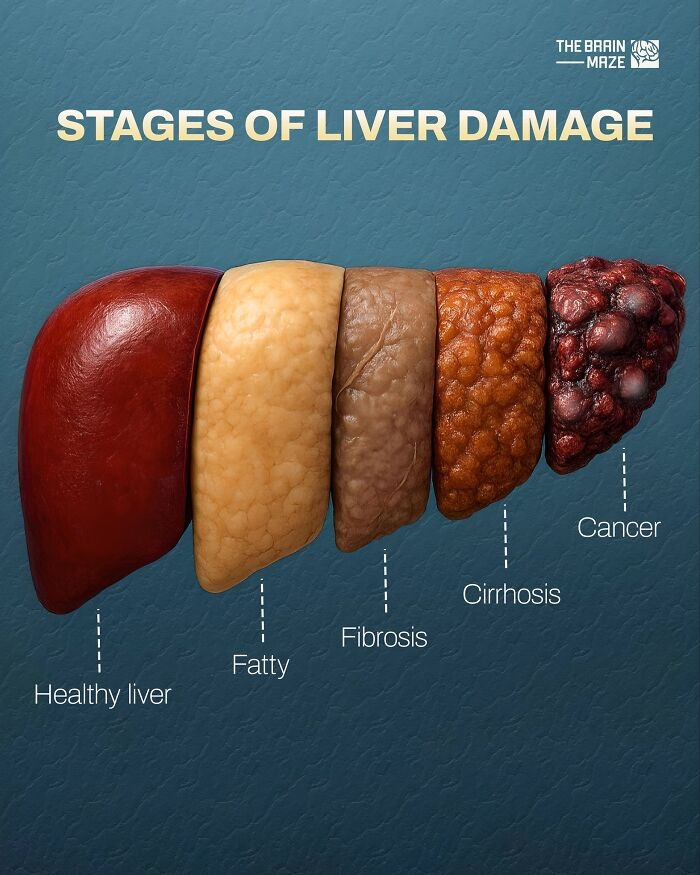 Image source: The Brain Maze
Liver damage develops gradually, often without noticeable symptoms until serious harm occurs. It usually begins with fat buildup inside liver cells, known as fatty liver, which can result from poor diet, alcohol, or metabolic disorders. Over time, chronic inflammation leads to fibrosis, where scar tissue replaces healthy cells. If untreated, this progresses to cirrhosis, a stage where liver function becomes severely impaired. Ultimately, prolonged damage can trigger mutations that develop into liver cancer, making early prevention and healthy lifestyle choices vital.
Image source: The Brain Maze
Liver damage develops gradually, often without noticeable symptoms until serious harm occurs. It usually begins with fat buildup inside liver cells, known as fatty liver, which can result from poor diet, alcohol, or metabolic disorders. Over time, chronic inflammation leads to fibrosis, where scar tissue replaces healthy cells. If untreated, this progresses to cirrhosis, a stage where liver function becomes severely impaired. Ultimately, prolonged damage can trigger mutations that develop into liver cancer, making early prevention and healthy lifestyle choices vital.
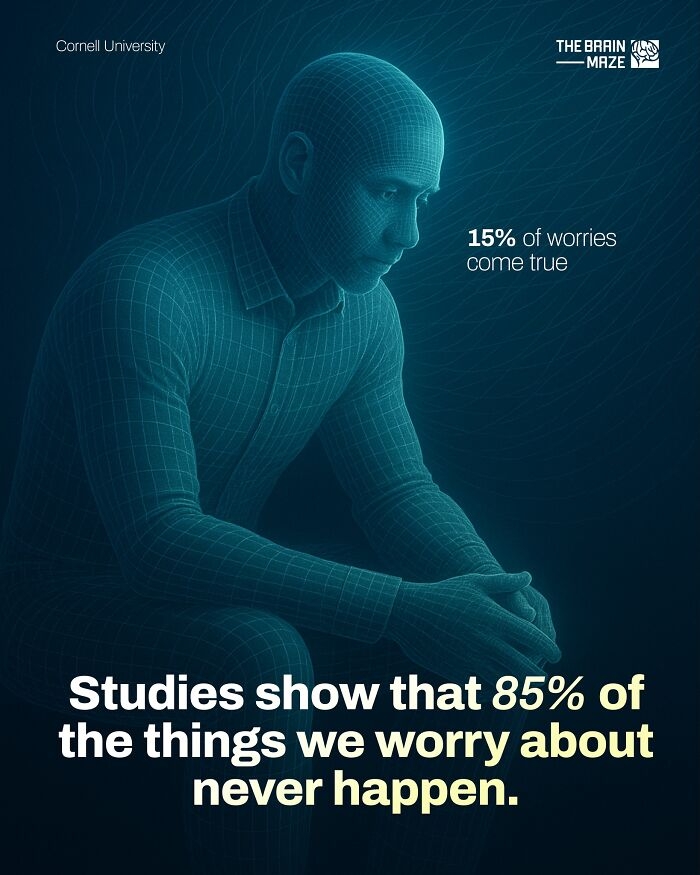 Image source: The Brain Maze
A Cornell University study found that about 85% of the things we worry about never happen, showing how much unnecessary stress we create in our minds. Only 15% of worries come true, and even then, most people handle them better than expected. This highlights how much time and energy we waste on imagined problems. Focusing on what we can control instead of what might go wrong can greatly improve our peace of mind.
Image source: The Brain Maze
A Cornell University study found that about 85% of the things we worry about never happen, showing how much unnecessary stress we create in our minds. Only 15% of worries come true, and even then, most people handle them better than expected. This highlights how much time and energy we waste on imagined problems. Focusing on what we can control instead of what might go wrong can greatly improve our peace of mind.
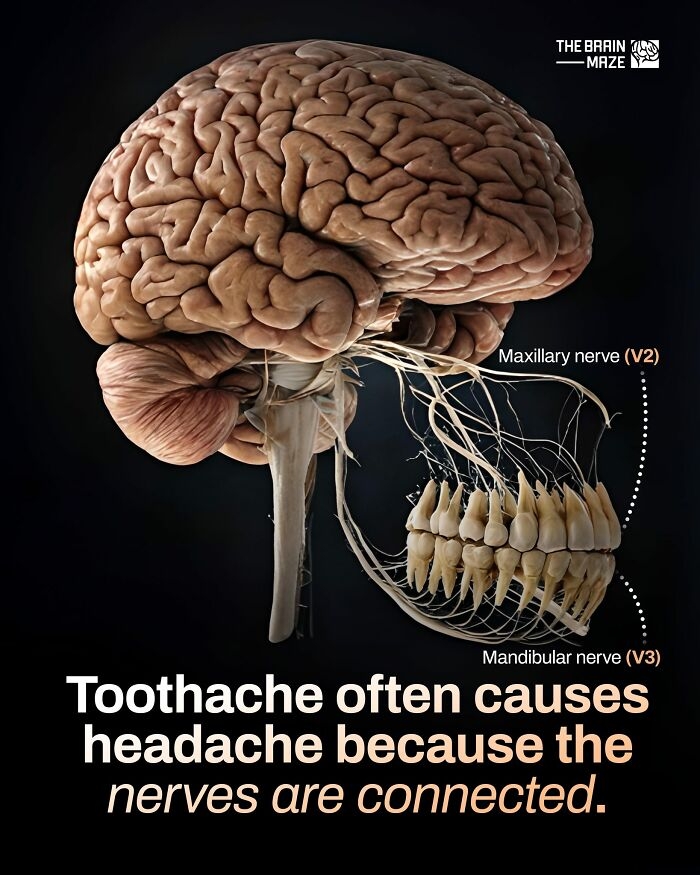 Image source: The Brain Maze
The teeth and the head share a strong nerve connection through the trigeminal nerve, one of the major cranial nerves.
This nerve has branches that extend into the upper and lower teeth, the jaw, the face, and even areas around the temples and forehead.
Because they all share the same pathway, pain coming from a tooth can easily spread or be “referred” to the head.
This is why a simple toothache can often feel like a headache or facial pain.
The brain sometimes struggles to pinpoint the exact source, causing the discomfort to radiate beyond the tooth itself.
Image source: The Brain Maze
The teeth and the head share a strong nerve connection through the trigeminal nerve, one of the major cranial nerves.
This nerve has branches that extend into the upper and lower teeth, the jaw, the face, and even areas around the temples and forehead.
Because they all share the same pathway, pain coming from a tooth can easily spread or be “referred” to the head.
This is why a simple toothache can often feel like a headache or facial pain.
The brain sometimes struggles to pinpoint the exact source, causing the discomfort to radiate beyond the tooth itself.
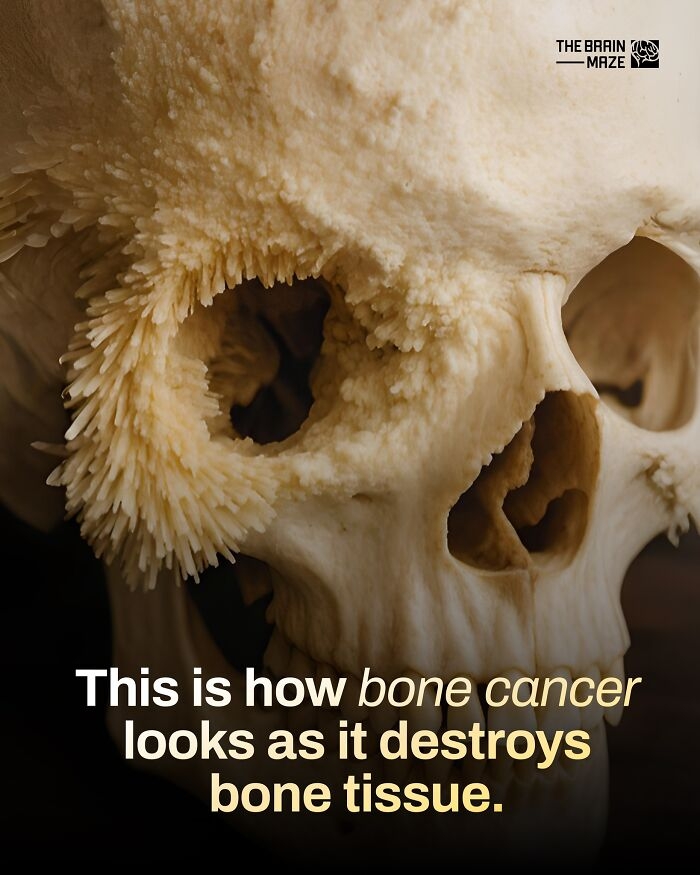 Image source: The Brain Maze
Bone cancer is a disease in which abnormal cells grow uncontrollably inside the bone, forming a tumor that destroys healthy bone tissue.
These cancerous growths can weaken the bone, causing pain, swelling, and sometimes fractures.
As the tumor expands, it disrupts the bone’s normal structure and may spread to nearby tissues or other parts of the body.
Bone cancer can originate in the bone (primary bone cancer) or spread there from another organ (secondary or metastatic cancer).
Under medical imaging, affected bone may appear moth-eaten, eroded, or structurally deformed due to the destructive tumor activity.
Image source: The Brain Maze
Bone cancer is a disease in which abnormal cells grow uncontrollably inside the bone, forming a tumor that destroys healthy bone tissue.
These cancerous growths can weaken the bone, causing pain, swelling, and sometimes fractures.
As the tumor expands, it disrupts the bone’s normal structure and may spread to nearby tissues or other parts of the body.
Bone cancer can originate in the bone (primary bone cancer) or spread there from another organ (secondary or metastatic cancer).
Under medical imaging, affected bone may appear moth-eaten, eroded, or structurally deformed due to the destructive tumor activity.
 Image source: The Brain Maze
Superfetation is an extremely rare phenomenon in which a woman becomes pregnant again while already carrying a developing fetus. This occurs when a second egg is released and fertilized after the first pregnancy has already begun, something that normally doesn’t happen due to hormonal changes that stop ovulation. As a result, the two embryos can be at noticeably different stages of growth within the womb. It remains a fascinating reminder of how complex and surprising human biology can be.
Image source: The Brain Maze
Superfetation is an extremely rare phenomenon in which a woman becomes pregnant again while already carrying a developing fetus. This occurs when a second egg is released and fertilized after the first pregnancy has already begun, something that normally doesn’t happen due to hormonal changes that stop ovulation. As a result, the two embryos can be at noticeably different stages of growth within the womb. It remains a fascinating reminder of how complex and surprising human biology can be.
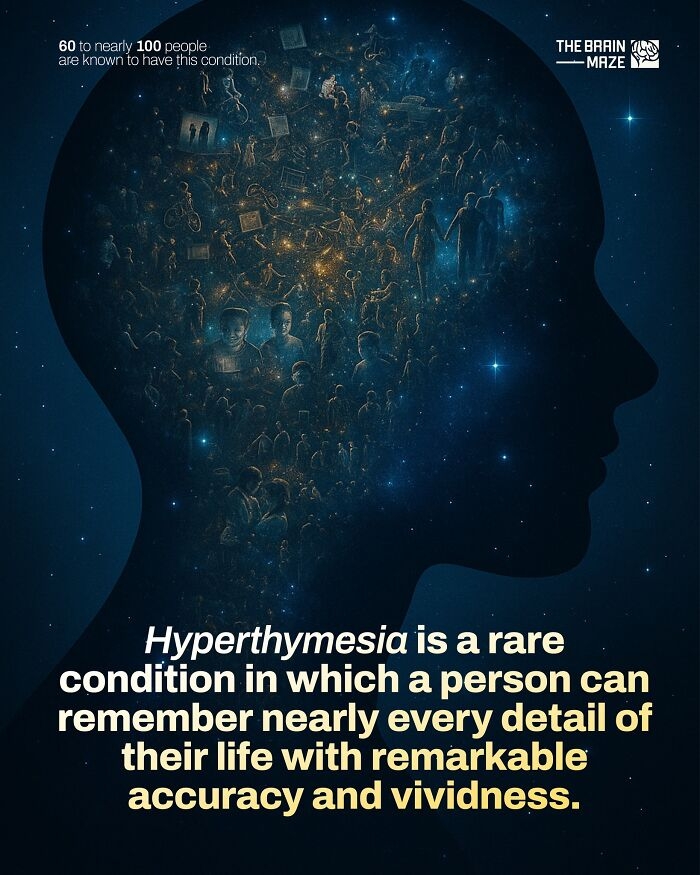 Image source: The Brain Maze
Hyperthymesia is a fascinating and rare condition that allows individuals to recall nearly every detail of their lives with extraordinary precision and vividness. People with this ability can remember specific dates, events, and even emotions tied to moments that most others would forget. This condition is so uncommon that only around 60 to 100 people in the world are known to have it. Their memories are not only extensive but also involuntary, meaning they can effortlessly retrieve past experiences as if reliving them. Hyperthymesia reveals the incredible potential of the human brain and its mysterious capacity to store and recall vast amounts of information.
Image source: The Brain Maze
Hyperthymesia is a fascinating and rare condition that allows individuals to recall nearly every detail of their lives with extraordinary precision and vividness. People with this ability can remember specific dates, events, and even emotions tied to moments that most others would forget. This condition is so uncommon that only around 60 to 100 people in the world are known to have it. Their memories are not only extensive but also involuntary, meaning they can effortlessly retrieve past experiences as if reliving them. Hyperthymesia reveals the incredible potential of the human brain and its mysterious capacity to store and recall vast amounts of information.
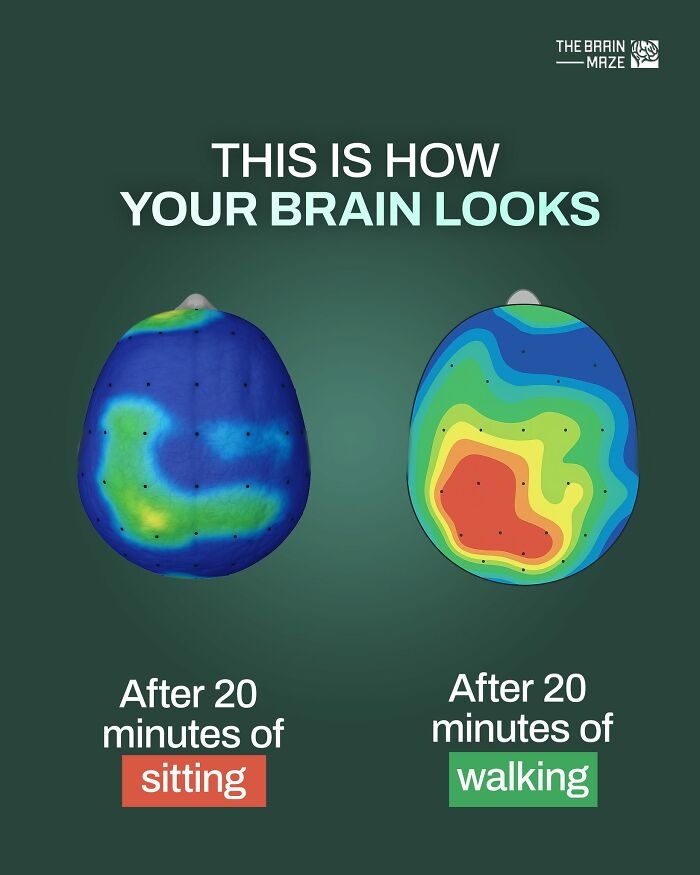 Image source: The Brain Maze
When we sit for 20 minutes, blood flow to the brain decreases slightly, which can slow neural processing and reduce alertness.
Extended sitting can lead to temporary drops in cognitive performance, including attention, memory, and problem-solving speed.
In contrast, walking increases blood circulation, delivering more oxygen and nutrients to the brain.
This enhanced blood flow stimulates neural activity, boosting creativity, processing speed, and overall cognitive function.
Even short periods of walking can make the brain more alert, improve mood, and enhance mental clarity compared to prolonged sitting.
Image source: The Brain Maze
When we sit for 20 minutes, blood flow to the brain decreases slightly, which can slow neural processing and reduce alertness.
Extended sitting can lead to temporary drops in cognitive performance, including attention, memory, and problem-solving speed.
In contrast, walking increases blood circulation, delivering more oxygen and nutrients to the brain.
This enhanced blood flow stimulates neural activity, boosting creativity, processing speed, and overall cognitive function.
Even short periods of walking can make the brain more alert, improve mood, and enhance mental clarity compared to prolonged sitting.
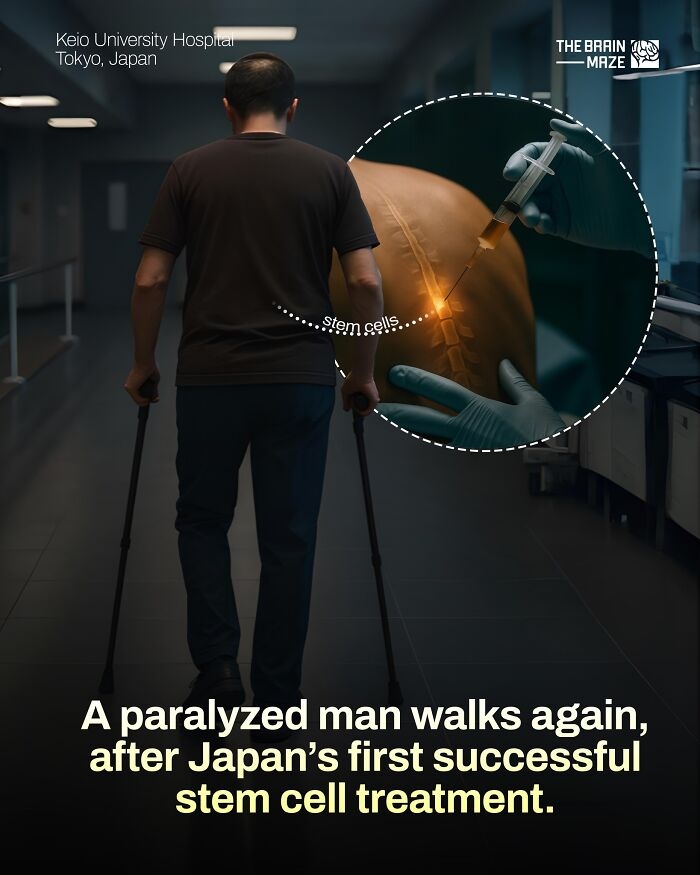 Image source: The Brain Maze
A patient in Japan who was completely paralyzed has regained the ability to stand unaided and is beginning to walk again after receiving a pioneering stem cell treatment.
The therapy, developed by researchers at Keio University, uses induced pluripotent stem (iPS) cells transformed into neural stem cells to repair damaged spinal tissue.
This marks part of a first-in-human clinical trial, where cells were transplanted directly into the patient’s injured spinal cord.
The patient showed measurable recovery in motor function with no serious side effects, offering rare hope for spinal cord injury rehabilitation.
Scientists say the results could pave the way for a new era of regenerative medicine targeting paralysis and nerve damage.
Image source: The Brain Maze
A patient in Japan who was completely paralyzed has regained the ability to stand unaided and is beginning to walk again after receiving a pioneering stem cell treatment.
The therapy, developed by researchers at Keio University, uses induced pluripotent stem (iPS) cells transformed into neural stem cells to repair damaged spinal tissue.
This marks part of a first-in-human clinical trial, where cells were transplanted directly into the patient’s injured spinal cord.
The patient showed measurable recovery in motor function with no serious side effects, offering rare hope for spinal cord injury rehabilitation.
Scientists say the results could pave the way for a new era of regenerative medicine targeting paralysis and nerve damage.
 Image source: The Brain Maze
Unborn babies can begin to taste flavors from their mother’s diet because the amniotic fluid around them becomes subtly infused with those tastes.
As the mother eats foods like garlic, vanilla, or carrots, the developing baby is exposed to these flavors through swallowing the fluid.
Research from institutions such as Stanford University shows that this early sensory experience can shape a child’s future food preferences.
Babies may later show a liking for foods they were exposed to in the womb.
This early flavor learning highlights how deeply connected prenatal development is to the mother’s everyday diet.
Image source: The Brain Maze
Unborn babies can begin to taste flavors from their mother’s diet because the amniotic fluid around them becomes subtly infused with those tastes.
As the mother eats foods like garlic, vanilla, or carrots, the developing baby is exposed to these flavors through swallowing the fluid.
Research from institutions such as Stanford University shows that this early sensory experience can shape a child’s future food preferences.
Babies may later show a liking for foods they were exposed to in the womb.
This early flavor learning highlights how deeply connected prenatal development is to the mother’s everyday diet.
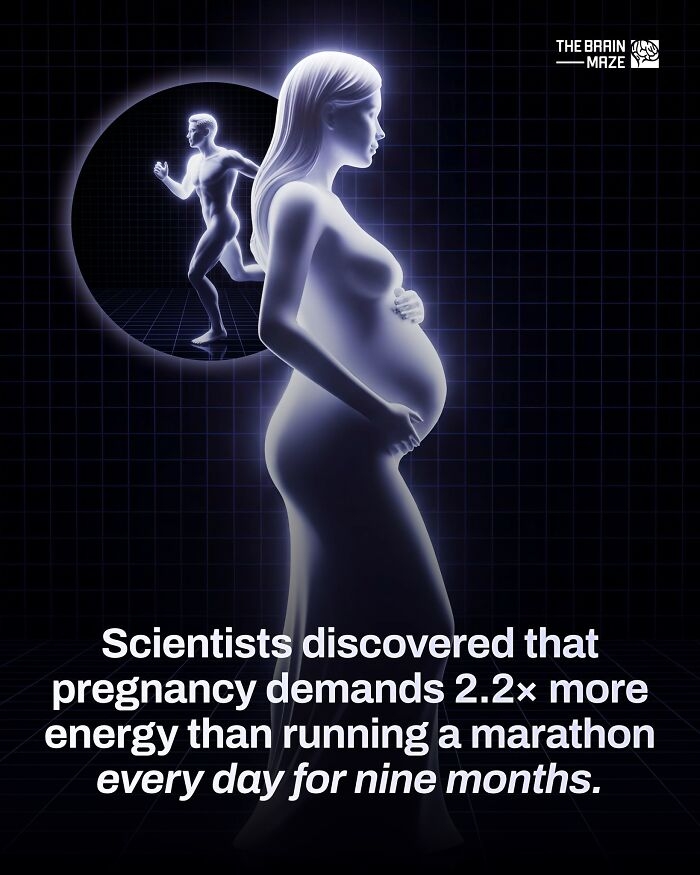 Image source: The Brain Maze
A 2019 study in Science Advances by Herman Pontzer from Duke University found that pregnancy requires about 2.2 times the body’s basal metabolic rate, meaning a woman burns roughly double her normal energy for months. The research compared pregnancy’s energy demand to extreme endurance feats like the Tour de France and ultramarathons, showing it surpasses them in sustained effort. Unlike athletes who endure for hours, pregnancy maintains intense metabolic strain for nine months, pushing the heart, lungs, kidneys, and metabolism to adapt, making it one of the most demanding endurance feats in human biology.
Image source: The Brain Maze
A 2019 study in Science Advances by Herman Pontzer from Duke University found that pregnancy requires about 2.2 times the body’s basal metabolic rate, meaning a woman burns roughly double her normal energy for months. The research compared pregnancy’s energy demand to extreme endurance feats like the Tour de France and ultramarathons, showing it surpasses them in sustained effort. Unlike athletes who endure for hours, pregnancy maintains intense metabolic strain for nine months, pushing the heart, lungs, kidneys, and metabolism to adapt, making it one of the most demanding endurance feats in human biology.
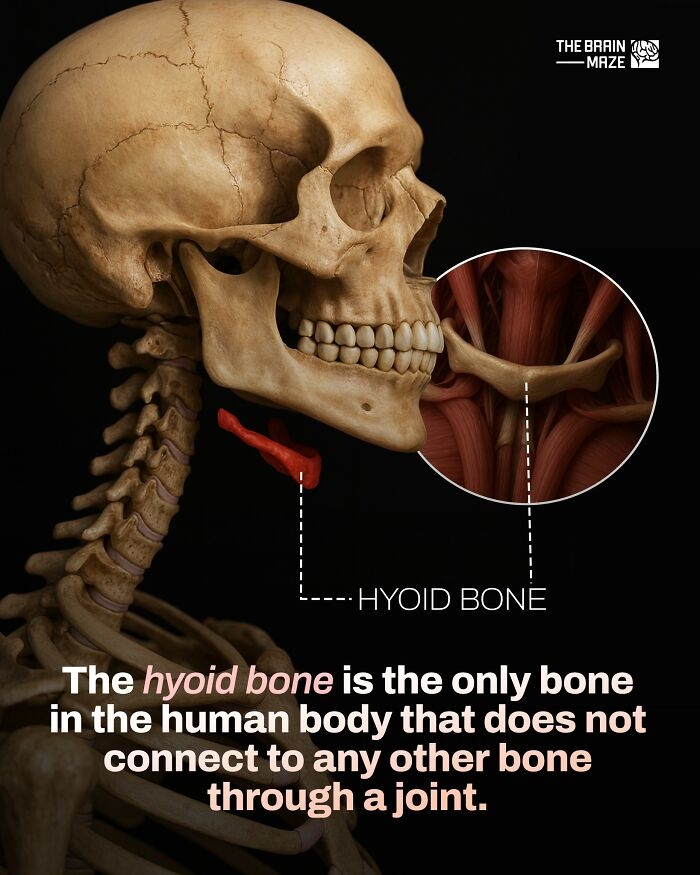 Image source: The Brain Maze
The hyoid bone is one of the most unique structures in the human body. Suspended in the neck like a tiny floating anchor, it supports the tongue and plays a vital role in speech and swallowing. Unlike any other bone, it does not form a joint or connect directly to any other bone. Instead, it is held in place by a network of muscles and ligaments. This small yet essential bone reminds us how even the most isolated parts of our anatomy can have profound importance.
Image source: The Brain Maze
The hyoid bone is one of the most unique structures in the human body. Suspended in the neck like a tiny floating anchor, it supports the tongue and plays a vital role in speech and swallowing. Unlike any other bone, it does not form a joint or connect directly to any other bone. Instead, it is held in place by a network of muscles and ligaments. This small yet essential bone reminds us how even the most isolated parts of our anatomy can have profound importance.
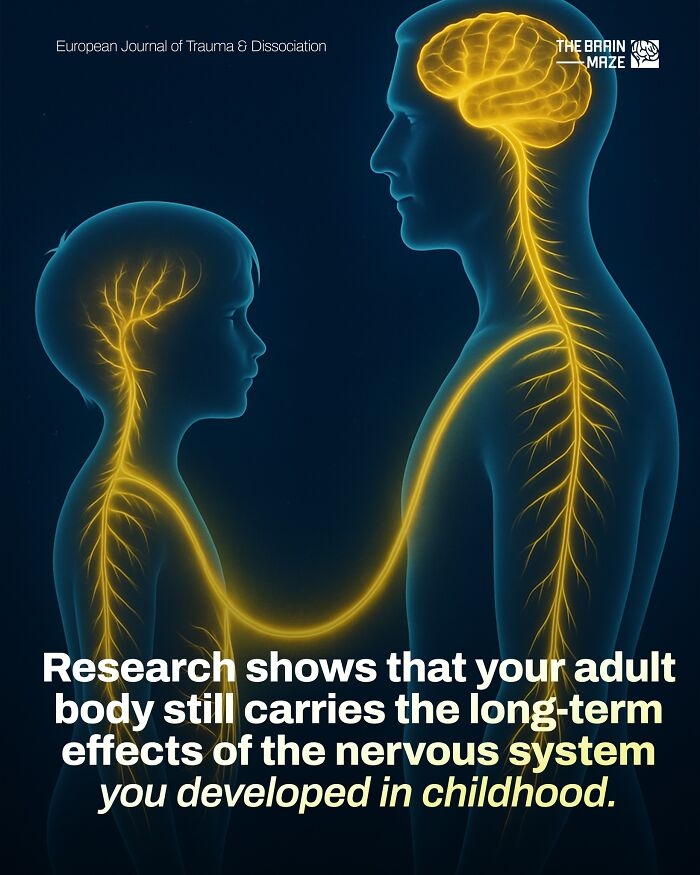 Image source: The Brain Maze
Research from the European Journal of Trauma & Dissociation shows that early childhood experiences play a powerful role in shaping the nervous system. The patterns your body forms during moments of safety, stress, or uncertainty often become the foundation for how you respond as an adult. Even years later, your body can carry the imprints of those early environments—shaping emotions, reactions, and overall well-being. These effects don’t simply disappear with age; they become woven into the body’s long-term physiological responses. Recognizing this connection can help you better understand yourself and begin building healthier patterns for the future.
Image source: The Brain Maze
Research from the European Journal of Trauma & Dissociation shows that early childhood experiences play a powerful role in shaping the nervous system. The patterns your body forms during moments of safety, stress, or uncertainty often become the foundation for how you respond as an adult. Even years later, your body can carry the imprints of those early environments—shaping emotions, reactions, and overall well-being. These effects don’t simply disappear with age; they become woven into the body’s long-term physiological responses. Recognizing this connection can help you better understand yourself and begin building healthier patterns for the future.
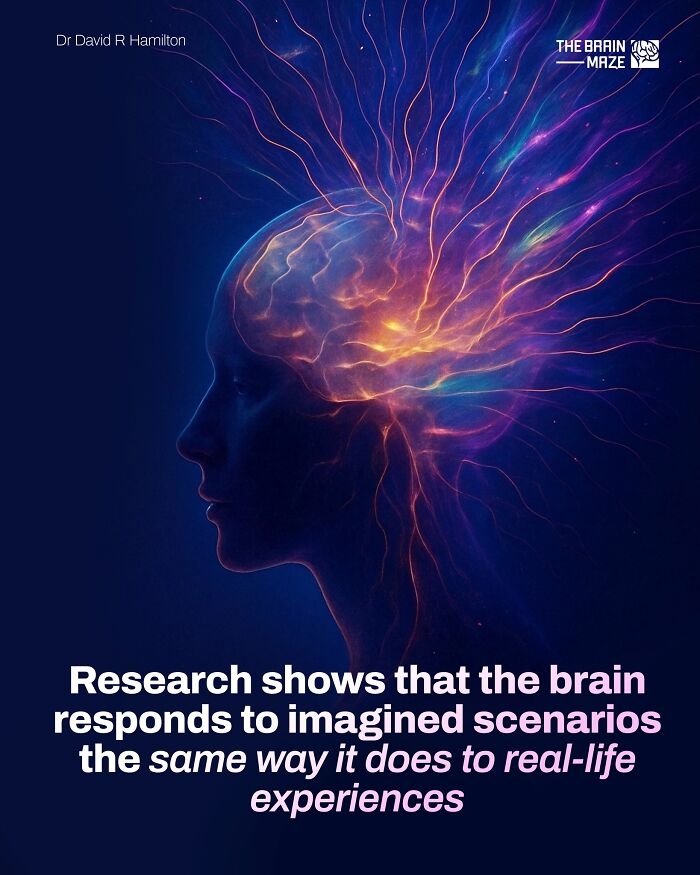 Image source: The Brain Maze
Research by Dr. David R. Hamilton shows that the human brain reacts to imagined scenarios in the same way it does to real-life experiences. This means that when we vividly picture an event—whether success, happiness, or fear—the brain’s neural circuits activate as though the experience were actually happening. Such findings help explain the power of visualization, meditation, and positive thinking in shaping our emotions and actions.
Image source: The Brain Maze
Research by Dr. David R. Hamilton shows that the human brain reacts to imagined scenarios in the same way it does to real-life experiences. This means that when we vividly picture an event—whether success, happiness, or fear—the brain’s neural circuits activate as though the experience were actually happening. Such findings help explain the power of visualization, meditation, and positive thinking in shaping our emotions and actions.
 Image source: The Brain Maze
A CT scan shared online shows what’s claimed to be a 30-year-old calcified fetus found inside a 73-year-old woman from Algeria, a phenomenon known as a lithopedion or “stone baby.” The post sparked global fascination and disbelief. Doctors explain that lithopedion occurs when a fetus dies during an abdominal pregnancy and the body can’t expel it — instead, it encases the fetus in calcium, essentially turning it to stone. While the authenticity of this specific case remains uncertain, the phenomenon itself is medically real and has been documented only about 300 times in history.
Image source: The Brain Maze
A CT scan shared online shows what’s claimed to be a 30-year-old calcified fetus found inside a 73-year-old woman from Algeria, a phenomenon known as a lithopedion or “stone baby.” The post sparked global fascination and disbelief. Doctors explain that lithopedion occurs when a fetus dies during an abdominal pregnancy and the body can’t expel it — instead, it encases the fetus in calcium, essentially turning it to stone. While the authenticity of this specific case remains uncertain, the phenomenon itself is medically real and has been documented only about 300 times in history.
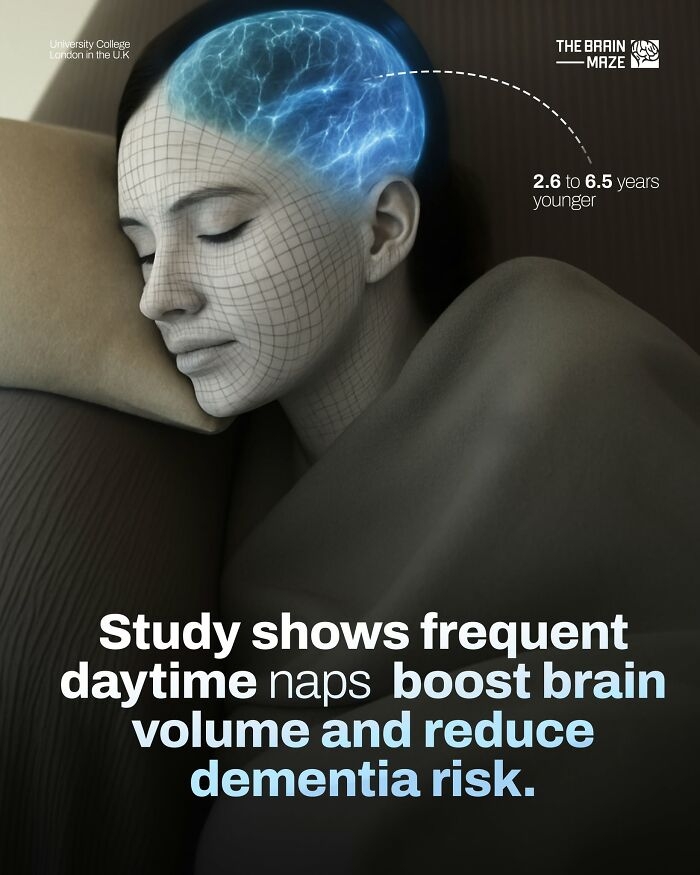 Image source: The Brain Maze
Frequent daytime naps may offer surprising benefits for the brain, according to new findings from University College London. Researchers discovered that people who nap regularly tend to have larger brain volumes, which is associated with healthier cognitive aging. The study suggests these individuals may have brains that appear 2.6 to 6.5 years younger than those who don’t nap. Because reduced brain volume is linked to dementia, this protective effect could lower long-term dementia risk. Overall, the research highlights napping as a simple lifestyle habit with meaningful potential for maintaining brain health.
Image source: The Brain Maze
Frequent daytime naps may offer surprising benefits for the brain, according to new findings from University College London. Researchers discovered that people who nap regularly tend to have larger brain volumes, which is associated with healthier cognitive aging. The study suggests these individuals may have brains that appear 2.6 to 6.5 years younger than those who don’t nap. Because reduced brain volume is linked to dementia, this protective effect could lower long-term dementia risk. Overall, the research highlights napping as a simple lifestyle habit with meaningful potential for maintaining brain health.
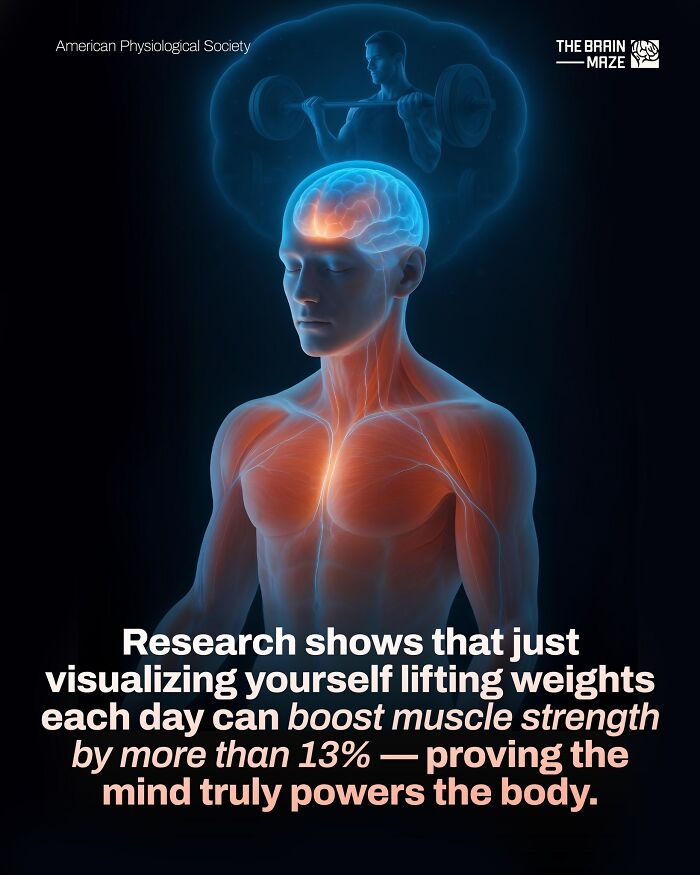 Image source: The Brain Maze
The human mind holds incredible power over the body. Studies from the American Physiological Society reveal that simply imagining yourself lifting weights can increase muscle strength by over 13%. This remarkable effect shows that mental practice alone can activate the same neural pathways used during physical training. Visualization strengthens the connection between thought and movement, turning focused intention into measurable results. Truly, the mind doesn’t just guide the body — it empowers it.
Image source: The Brain Maze
The human mind holds incredible power over the body. Studies from the American Physiological Society reveal that simply imagining yourself lifting weights can increase muscle strength by over 13%. This remarkable effect shows that mental practice alone can activate the same neural pathways used during physical training. Visualization strengthens the connection between thought and movement, turning focused intention into measurable results. Truly, the mind doesn’t just guide the body — it empowers it.
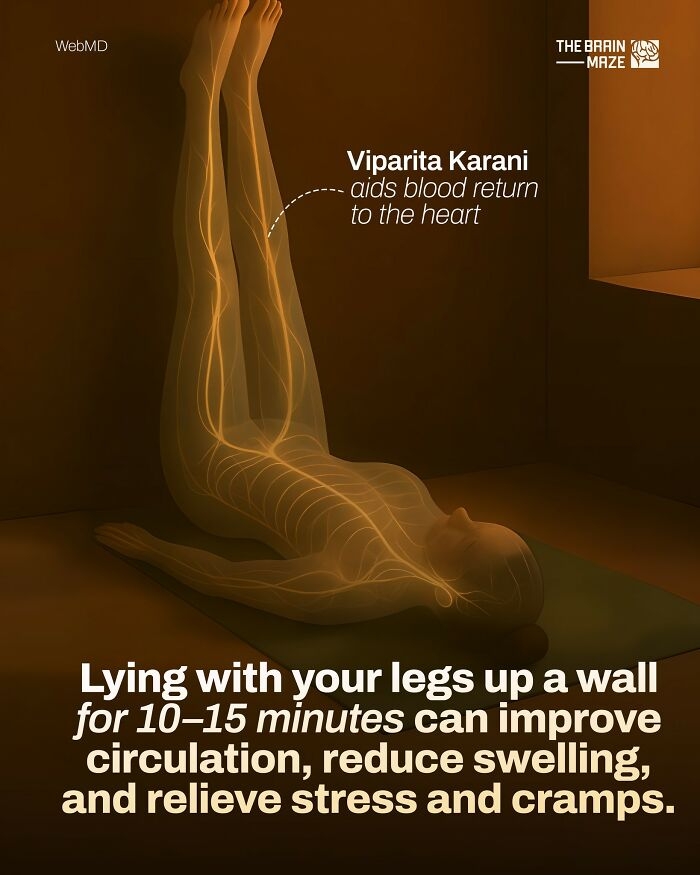 Image source: The Brain Maze
Lying with your legs up the wall, a yoga pose known as Viparita Karani, helps blood flow back toward the heart, reducing strain on your veins. Practicing it for just 10 to 15 minutes a day can improve circulation and prevent swelling in the legs. This position also helps relax the nervous system, easing stress and promoting calmness. It’s particularly beneficial for people who spend long hours standing or sitting. According to WebMD, this simple pose can relieve leg cramps and support overall cardiovascular health.
Image source: The Brain Maze
Lying with your legs up the wall, a yoga pose known as Viparita Karani, helps blood flow back toward the heart, reducing strain on your veins. Practicing it for just 10 to 15 minutes a day can improve circulation and prevent swelling in the legs. This position also helps relax the nervous system, easing stress and promoting calmness. It’s particularly beneficial for people who spend long hours standing or sitting. According to WebMD, this simple pose can relieve leg cramps and support overall cardiovascular health.
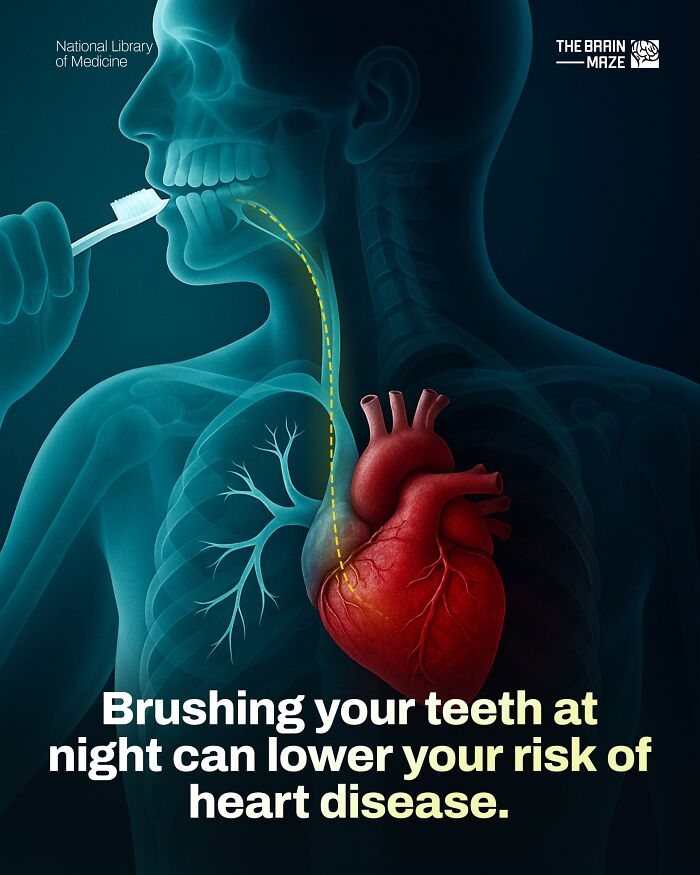 Image source: The Brain Maze
Brushing your teeth at night isn’t just good for oral hygiene—it may also protect your heart. When harmful bacteria accumulate in the mouth overnight, they can enter the bloodstream and contribute to inflammation, a key factor in heart disease. Cleaning your teeth before bed reduces this bacterial load and helps keep both your gums and cardiovascular system healthier. Research highlighted by the National Library of Medicine supports this connection between nighttime brushing and a lower risk of heart complications. Taking a simple step each evening can therefore play a meaningful role in long-term heart health.
Image source: The Brain Maze
Brushing your teeth at night isn’t just good for oral hygiene—it may also protect your heart. When harmful bacteria accumulate in the mouth overnight, they can enter the bloodstream and contribute to inflammation, a key factor in heart disease. Cleaning your teeth before bed reduces this bacterial load and helps keep both your gums and cardiovascular system healthier. Research highlighted by the National Library of Medicine supports this connection between nighttime brushing and a lower risk of heart complications. Taking a simple step each evening can therefore play a meaningful role in long-term heart health.
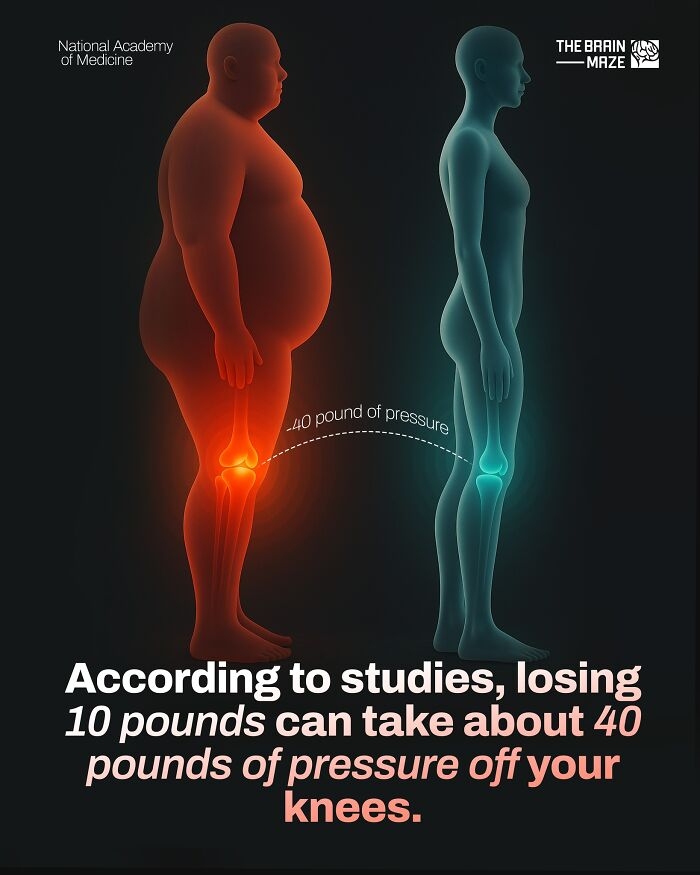 Image source: The Brain Maze
According to research from the National Academy of Medicine, even modest weight loss can significantly reduce stress on the joints. Studies show that losing just 10 pounds can relieve approximately 40 pounds of pressure from your knees, easing discomfort and improving mobility. This reduction in joint load not only helps prevent pain but also decreases the risk of developing osteoarthritis over time. Maintaining a healthy weight, therefore, plays a crucial role in preserving joint health and overall physical function.
Image source: The Brain Maze
According to research from the National Academy of Medicine, even modest weight loss can significantly reduce stress on the joints. Studies show that losing just 10 pounds can relieve approximately 40 pounds of pressure from your knees, easing discomfort and improving mobility. This reduction in joint load not only helps prevent pain but also decreases the risk of developing osteoarthritis over time. Maintaining a healthy weight, therefore, plays a crucial role in preserving joint health and overall physical function.
 Image source: The Brain Maze
Just 20 minutes of sunlight a day can boost your immune system by stimulating the production of over 200 antimicrobial peptides. These natural compounds help the body fight off fungi, parasites, and viruses, strengthening your defenses against infections. Sunlight exposure also supports vitamin D synthesis, essential for overall health.
Image source: The Brain Maze
Just 20 minutes of sunlight a day can boost your immune system by stimulating the production of over 200 antimicrobial peptides. These natural compounds help the body fight off fungi, parasites, and viruses, strengthening your defenses against infections. Sunlight exposure also supports vitamin D synthesis, essential for overall health.
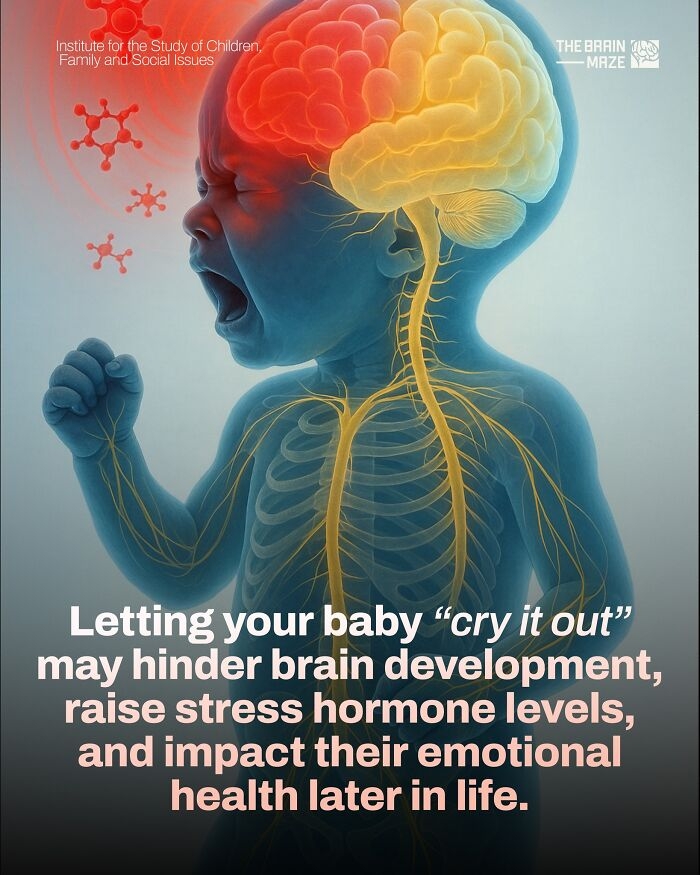 Image source: The Brain Maze
Prolonged crying without comfort can overstimulate a baby’s stress response system, flooding their body with cortisol and adrenaline. According to the Institute for the Study of Children, Family and Social Issues, this can interfere with brain growth and the formation of healthy neural connections during critical early stages. When stress hormones remain elevated, they may alter the development of the limbic system—the part of the brain that regulates emotion and attachment. Over time, these changes can contribute to anxiety, difficulty with trust, and emotional regulation issues later in life. Responding to a baby’s cries with care and reassurance supports both neurological development and long-term emotional health.
Image source: The Brain Maze
Prolonged crying without comfort can overstimulate a baby’s stress response system, flooding their body with cortisol and adrenaline. According to the Institute for the Study of Children, Family and Social Issues, this can interfere with brain growth and the formation of healthy neural connections during critical early stages. When stress hormones remain elevated, they may alter the development of the limbic system—the part of the brain that regulates emotion and attachment. Over time, these changes can contribute to anxiety, difficulty with trust, and emotional regulation issues later in life. Responding to a baby’s cries with care and reassurance supports both neurological development and long-term emotional health.
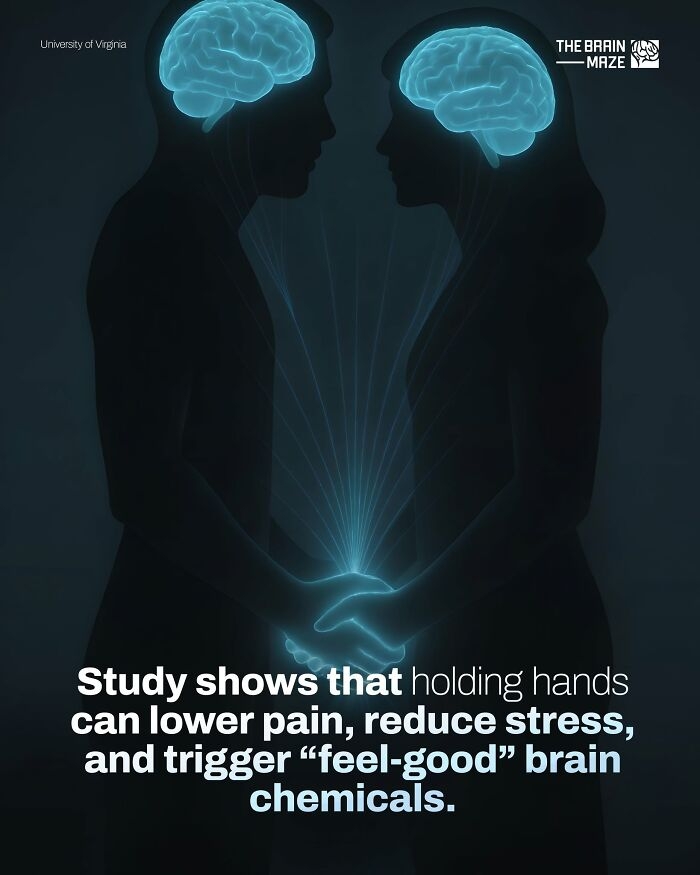 Image source: The Brain Maze
Holding hands does more than offer comfort — it creates a powerful physiological response in the brain. Research from the University of Virginia shows that physical touch can synchronize brain activity between two people, lowering pain and easing emotional tension. This simple act helps reduce stress levels by activating the body’s natural calming systems. It also triggers the release of “feel-good” chemicals, such as oxytocin, which strengthen social bonds and promote emotional well-being. In moments of anxiety or discomfort, even a gentle handhold can make the brain feel safer, more connected and more resilient.
Image source: The Brain Maze
Holding hands does more than offer comfort — it creates a powerful physiological response in the brain. Research from the University of Virginia shows that physical touch can synchronize brain activity between two people, lowering pain and easing emotional tension. This simple act helps reduce stress levels by activating the body’s natural calming systems. It also triggers the release of “feel-good” chemicals, such as oxytocin, which strengthen social bonds and promote emotional well-being. In moments of anxiety or discomfort, even a gentle handhold can make the brain feel safer, more connected and more resilient.
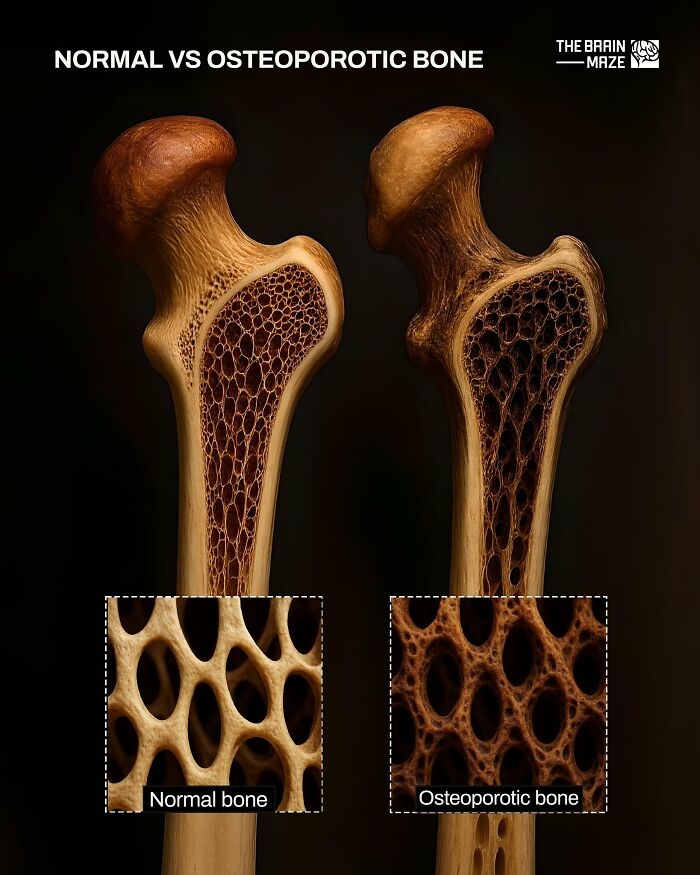 Image source: The Brain Maze
Bones are living tissues that constantly renew themselves, but with age or certain conditions, this balance can be disrupted.
Osteoporosis occurs when bone breakdown outpaces new bone formation, leading to fragile and porous structures.
In the image, the normal bone appears dense with tightly packed, healthy trabeculae, while the osteoporotic bone shows larger holes and thinner walls, indicating weakened integrity.
This loss of density makes bones more prone to fractures, even from minor falls or everyday stress.
The comparison highlights the importance of maintaining bone health through nutrition, exercise, and early screening for osteoporosis.
Image source: The Brain Maze
Bones are living tissues that constantly renew themselves, but with age or certain conditions, this balance can be disrupted.
Osteoporosis occurs when bone breakdown outpaces new bone formation, leading to fragile and porous structures.
In the image, the normal bone appears dense with tightly packed, healthy trabeculae, while the osteoporotic bone shows larger holes and thinner walls, indicating weakened integrity.
This loss of density makes bones more prone to fractures, even from minor falls or everyday stress.
The comparison highlights the importance of maintaining bone health through nutrition, exercise, and early screening for osteoporosis.
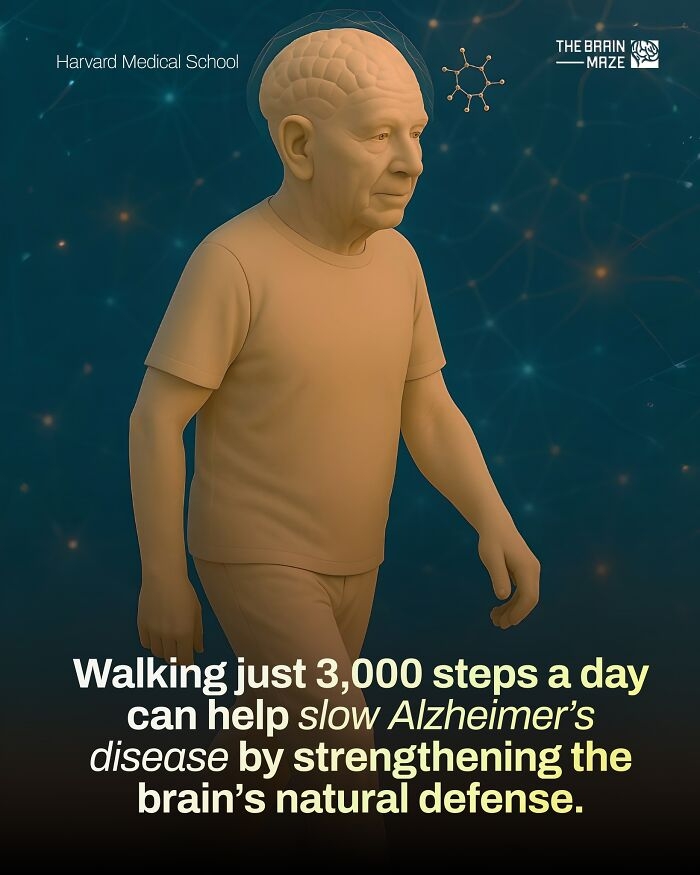 Image source: The Brain Maze
A new study suggests that walking just 3,000 steps per day can significantly slow the progression of Alzheimer’s disease.
Researchers found that individuals whose brains showed early molecular signs of Alzheimer’s, but no cognitive symptoms, experienced about three years less mental decline when they stayed active.
Regular movement appears to support brain health by improving blood flow, reducing inflammation, and enhancing neural connections.
Even modest daily activity seems to offer powerful protection against the onset of dementia symptoms.
This finding reinforces the idea that small, consistent lifestyle changes can make a major difference in long-term cognitive health.
Image source: The Brain Maze
A new study suggests that walking just 3,000 steps per day can significantly slow the progression of Alzheimer’s disease.
Researchers found that individuals whose brains showed early molecular signs of Alzheimer’s, but no cognitive symptoms, experienced about three years less mental decline when they stayed active.
Regular movement appears to support brain health by improving blood flow, reducing inflammation, and enhancing neural connections.
Even modest daily activity seems to offer powerful protection against the onset of dementia symptoms.
This finding reinforces the idea that small, consistent lifestyle changes can make a major difference in long-term cognitive health.
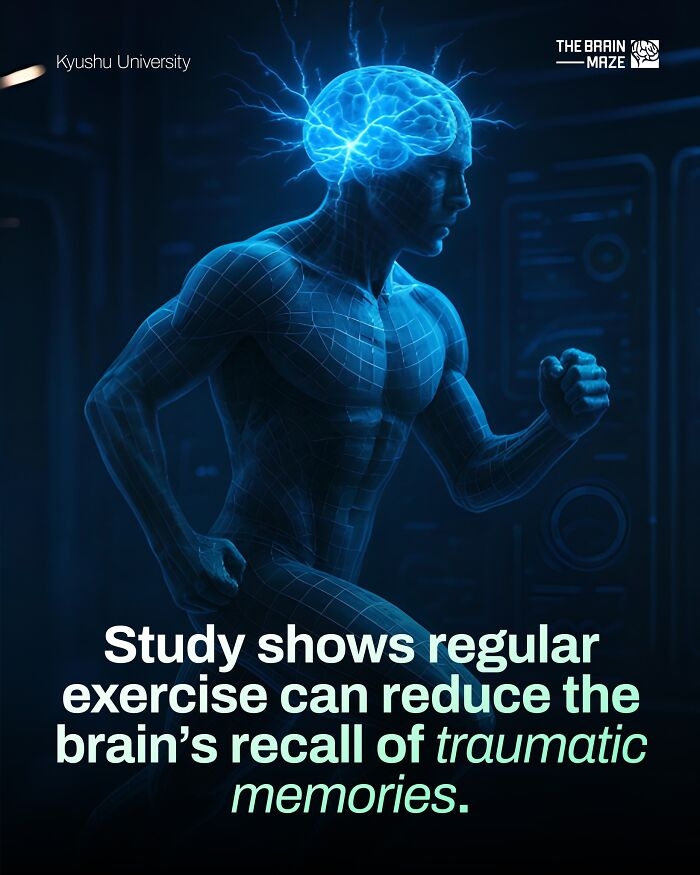 Image source: The Brain Maze
A collaborative study by researchers at Kyushu University and the University of Toronto found that regular exercise may help the brain weaken or reduce access to traumatic memories.
The scientists discovered that consistent physical activity increases neurogenesis, the growth of new neurons in the hippocampus.
As these new neurons integrate, they can disrupt older memory circuits linked to fear and trauma.
This process may make traumatic memories less vivid or harder to recall over time.
The findings show a biologically real mechanism through which exercise can influence how the brain stores and retrieves traumatic experiences.
Image source: The Brain Maze
A collaborative study by researchers at Kyushu University and the University of Toronto found that regular exercise may help the brain weaken or reduce access to traumatic memories.
The scientists discovered that consistent physical activity increases neurogenesis, the growth of new neurons in the hippocampus.
As these new neurons integrate, they can disrupt older memory circuits linked to fear and trauma.
This process may make traumatic memories less vivid or harder to recall over time.
The findings show a biologically real mechanism through which exercise can influence how the brain stores and retrieves traumatic experiences.
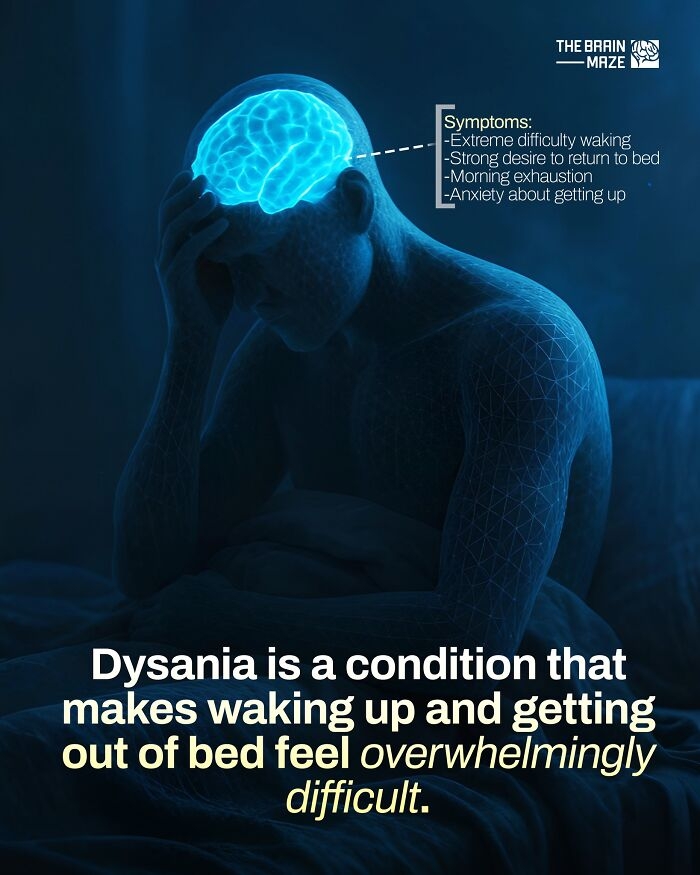 Image source: The Brain Maze
Dysania refers to a persistent struggle to get out of bed, even after adequate or extended sleep.
It is not considered a standalone medical diagnosis but is typically linked to conditions such as depression, chronic fatigue syndrome, or various sleep disorders.
People experiencing dysania often feel overwhelming difficulty when trying to rise in the morning.
They may also experience anxiety, stress, or emotional discomfort associated with getting up.
A strong urge to return to bed or remain under the covers is a common and defining feature of this symptom.
Image source: The Brain Maze
Dysania refers to a persistent struggle to get out of bed, even after adequate or extended sleep.
It is not considered a standalone medical diagnosis but is typically linked to conditions such as depression, chronic fatigue syndrome, or various sleep disorders.
People experiencing dysania often feel overwhelming difficulty when trying to rise in the morning.
They may also experience anxiety, stress, or emotional discomfort associated with getting up.
A strong urge to return to bed or remain under the covers is a common and defining feature of this symptom.
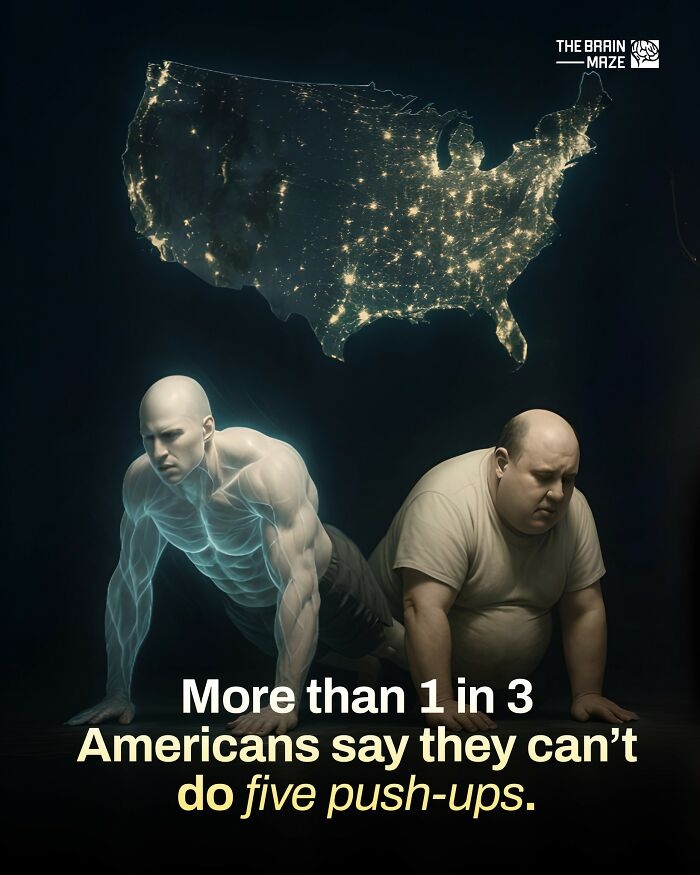 Image source: The Brain Maze
More than one-third of Americans report that they cannot complete even five push-ups.
This finding highlights a growing decline in basic strength and functional fitness across the population.
Experts suggest that sedentary lifestyles, long work hours, and reduced physical activity are major contributors to the issue.
The inability to perform simple body-weight exercises is linked to poorer long-term health outcomes.
Overall, the data underscores the urgent need for accessible fitness habits and healthier daily routines.
Image source: The Brain Maze
More than one-third of Americans report that they cannot complete even five push-ups.
This finding highlights a growing decline in basic strength and functional fitness across the population.
Experts suggest that sedentary lifestyles, long work hours, and reduced physical activity are major contributors to the issue.
The inability to perform simple body-weight exercises is linked to poorer long-term health outcomes.
Overall, the data underscores the urgent need for accessible fitness habits and healthier daily routines.
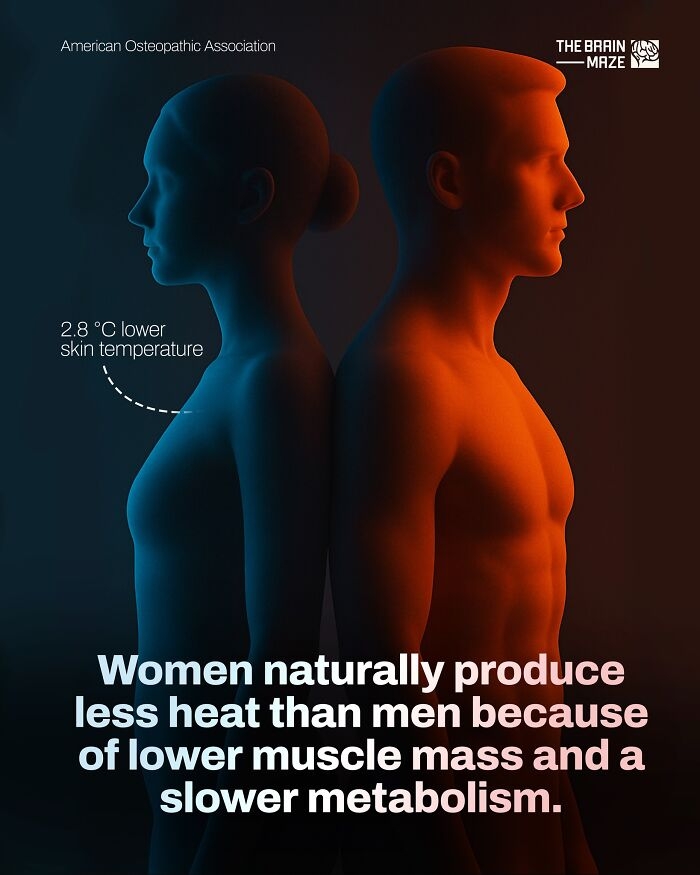 Image source: The Brain Maze
Women generally produce less body heat than men because their bodies tend to have lower overall muscle mass, which is the primary driver of heat production. Research from the American Osteopathic Association shows that women’s skin temperature can be about 2.8°C lower on average, making them more prone to feeling cold. This difference is largely due to muscle tissue generating more heat than fat, giving men a natural thermal advantage. Additionally, women typically have a slower metabolic rate, which further reduces internal heat production. Together, these factors explain why women often feel colder in the same environments compared to men.
Image source: The Brain Maze
Women generally produce less body heat than men because their bodies tend to have lower overall muscle mass, which is the primary driver of heat production. Research from the American Osteopathic Association shows that women’s skin temperature can be about 2.8°C lower on average, making them more prone to feeling cold. This difference is largely due to muscle tissue generating more heat than fat, giving men a natural thermal advantage. Additionally, women typically have a slower metabolic rate, which further reduces internal heat production. Together, these factors explain why women often feel colder in the same environments compared to men.
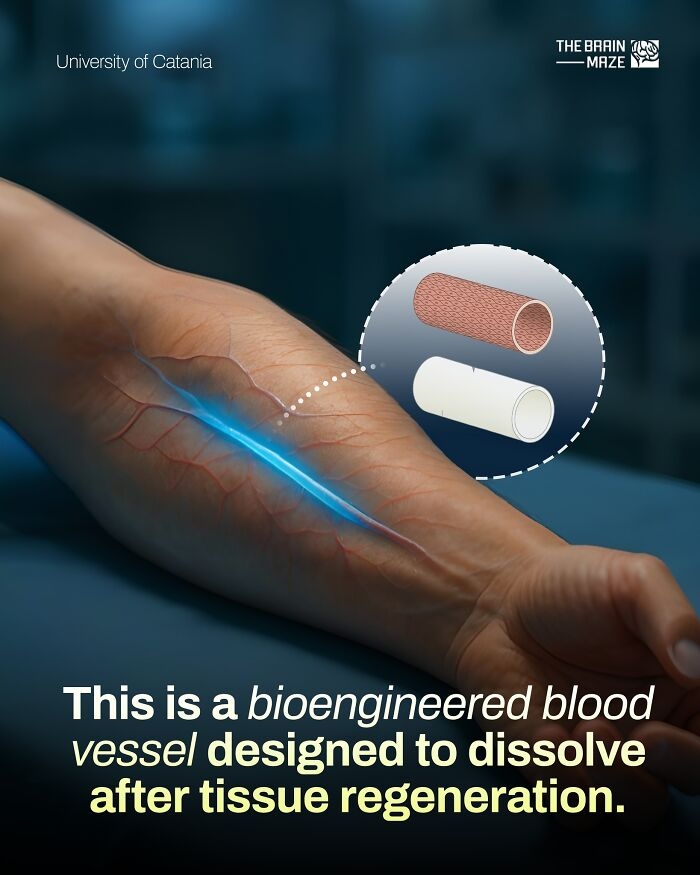 Image source: The Brain Maze
This bioengineered blood vessel is a groundbreaking innovation designed to support tissue repair and then naturally dissolve once healing is complete.
It functions as a temporary scaffold, guiding new cells to grow and form a fully functional, living vessel.
The material is biocompatible and gradually biodegrades, leaving behind only healthy, regenerated tissue.
Through precise engineering, the vessel mimics natural elasticity and flow dynamics, ensuring seamless integration with the body’s circulatory system.
This approach represents a major step forward in regenerative medicine, where artificial structures enable healing and then vanish, restoring the body to its natural state.
Image source: The Brain Maze
This bioengineered blood vessel is a groundbreaking innovation designed to support tissue repair and then naturally dissolve once healing is complete.
It functions as a temporary scaffold, guiding new cells to grow and form a fully functional, living vessel.
The material is biocompatible and gradually biodegrades, leaving behind only healthy, regenerated tissue.
Through precise engineering, the vessel mimics natural elasticity and flow dynamics, ensuring seamless integration with the body’s circulatory system.
This approach represents a major step forward in regenerative medicine, where artificial structures enable healing and then vanish, restoring the body to its natural state.
 Image source: The Brain Maze
Quick reconciliation plays a crucial role in long-term relationship health.
Research-based insights suggest that couples who repair emotional ruptures quickly—often within about 30 minutes—are up to 80% more likely to stay together.
Resolving conflict fast reduces emotional distance and prevents negative patterns from forming.
This habit builds stronger communication, deeper trust, and greater emotional resilience.
Overall, fast conflict repair is one of the strongest predictors of lasting, stable relationships.
Image source: The Brain Maze
Quick reconciliation plays a crucial role in long-term relationship health.
Research-based insights suggest that couples who repair emotional ruptures quickly—often within about 30 minutes—are up to 80% more likely to stay together.
Resolving conflict fast reduces emotional distance and prevents negative patterns from forming.
This habit builds stronger communication, deeper trust, and greater emotional resilience.
Overall, fast conflict repair is one of the strongest predictors of lasting, stable relationships.
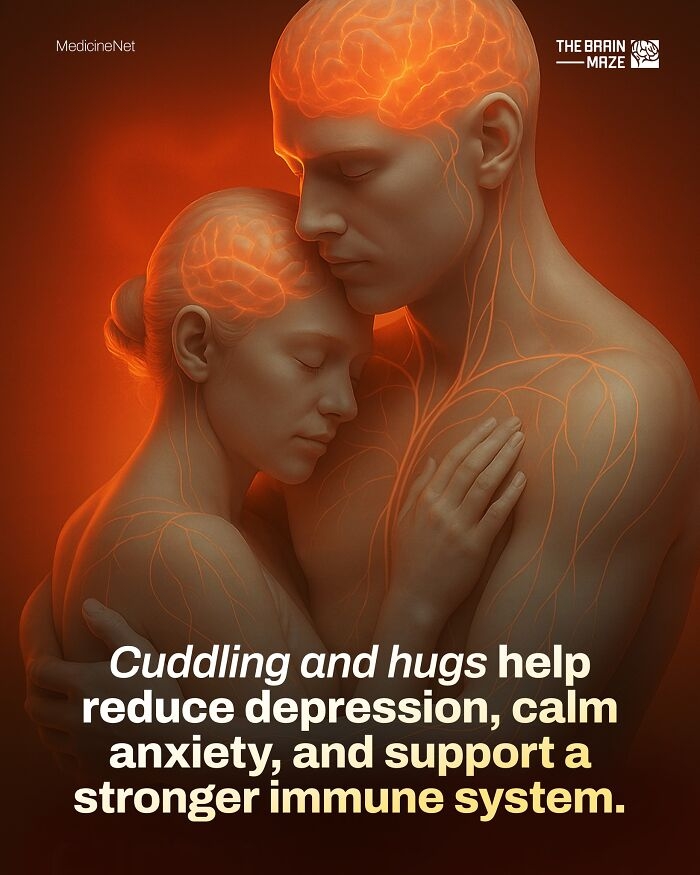 Image source: The Brain Maze
Cuddling and hugs can significantly improve emotional well-being by triggering the release of oxytocin, the body’s natural “feel-good” hormone. They help ease symptoms of depression and create a sense of connection that supports mental balance. According to MedicineNet, this kind of physical affection also lowers stress hormones, making it an effective way to calm anxiety. These soothing physiological effects extend to the body as well, strengthening the immune system by promoting healthier stress responses. Altogether, simple acts of closeness have powerful benefits for both mind and body.
Image source: The Brain Maze
Cuddling and hugs can significantly improve emotional well-being by triggering the release of oxytocin, the body’s natural “feel-good” hormone. They help ease symptoms of depression and create a sense of connection that supports mental balance. According to MedicineNet, this kind of physical affection also lowers stress hormones, making it an effective way to calm anxiety. These soothing physiological effects extend to the body as well, strengthening the immune system by promoting healthier stress responses. Altogether, simple acts of closeness have powerful benefits for both mind and body.
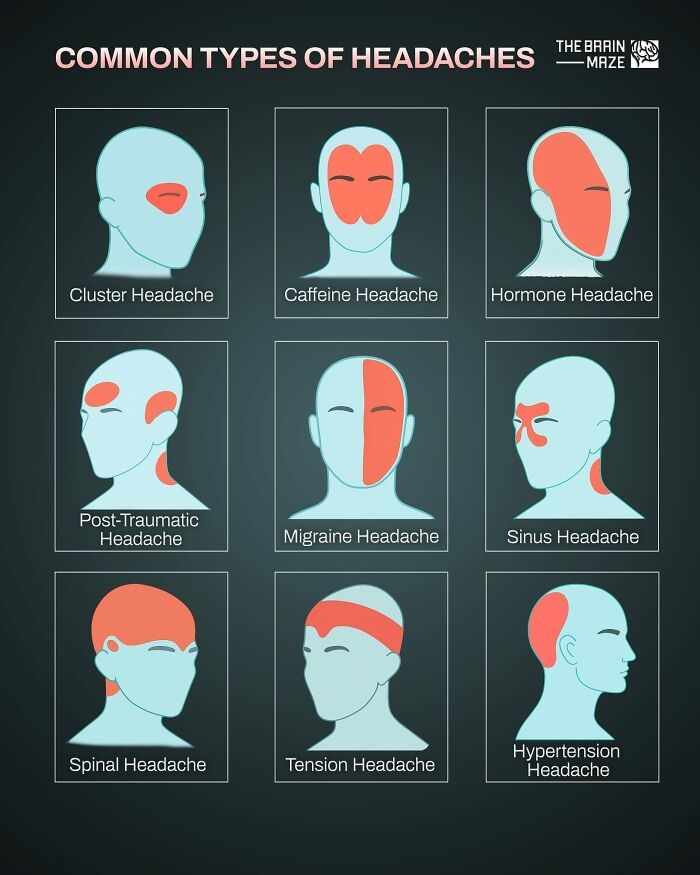 Image source: The Brain Maze
This image illustrates nine common types of headaches and the areas they typically affect.
Each diagram highlights pain regions in red, helping identify where discomfort is most often felt.
Cluster, migraine, and tension headaches each show distinctive patterns—cluster around one eye, migraine on one side, and tension across the forehead.
Hormone and caffeine headaches affect wider areas, while sinus and hypertension headaches are more localized.
The visual guide aids in recognizing headache types to better understand their sources and manage symptoms effectively.
Image source: The Brain Maze
This image illustrates nine common types of headaches and the areas they typically affect.
Each diagram highlights pain regions in red, helping identify where discomfort is most often felt.
Cluster, migraine, and tension headaches each show distinctive patterns—cluster around one eye, migraine on one side, and tension across the forehead.
Hormone and caffeine headaches affect wider areas, while sinus and hypertension headaches are more localized.
The visual guide aids in recognizing headache types to better understand their sources and manage symptoms effectively.
#1
Image source: The Brain Maze
Scientists from the University of Nottingham have developed a new protein-based gel that can repair and regenerate tooth enamel by mimicking how it naturally forms in infants.
The gel acts as a scaffold for calcium and phosphate ions in saliva, helping to rebuild and strengthen damaged enamel.
The team, led by Professor Alvaro Mata, says the treatment is easy to apply and could be available to patients as early as next year.
Experts believe it could transform dental care by addressing decay, sensitivity, and enamel erosion more effectively than current methods.
Many are calling it a long-awaited breakthrough in restoring natural enamel and preventing oral diseases worldwide.
#2
Image source: The Brain Maze
Children who grow up in homes filled with frequent conflict can experience neurological changes that resemble those seen in soldiers returning from combat.
According to researchers at Stanford University, prolonged exposure to emotional tension triggers stress-response systems in the developing brain.
Brain scans in the study revealed heightened activity in regions linked to fear, vigilance, and emotional regulation.
These shifts suggest that even non-physical forms of conflict can have deep and lasting biological impacts on children.
The findings highlight the urgent need for supportive family environments and early intervention.
#3
Image source: The Brain Maze
Research published in the European Journal of Obstetrics & Gynecology and Reproductive Biology reveals that a woman’s body requires far more time to fully recover after childbirth than previously believed. While traditional medical guidance suggests a six-week recovery period, the study indicates that complete physical, hormonal, and neurological restoration can take between one to two years. During this time, the body continues to heal internally, from organ repositioning and connective tissue repair to long-term hormonal rebalancing. The brain also undergoes gradual changes, adapting from pregnancy and postpartum shifts in cognition and emotion. These findings challenge conventional postpartum expectations and highlight the importance of long-term maternal care and recovery support.
#4
Image source: The Brain Maze
An Australian man has become the first person in the world to live outside a hospital with a titanium artificial heart called BiVACOR.
He lived with the device for 100 days before receiving a donor heart and is now recovering well. The BiVACOR, created by Dr. Daniel Timms, uses a magnetically floating rotor to pump blood through the body — meaning it has only one moving part and is less likely to wear out.
Doctors at St. Vincent’s Hospital in Sydney performed the surgery, while researchers like Dr. Joseph G.
Rogers from the Texas Heart Institute are leading trials in the United States.
This breakthrough could one day help people with severe heart failure who are waiting for transplants — or even become a long-term replacement for a human heart.
#5
Image source: The Brain Maze
#6
Image source: The Brain Maze
Owning a cat has been associated with a lower risk of heart attacks due to the calming and stress-reducing effects pets can provide. Research cited in the AHAIASA Journal suggests that the emotional comfort offered by cats may contribute to improved cardiovascular health. This calming interaction can help regulate stress responses that affect heart function. This study highlights how pet companionship—especially from cats—may play a meaningful role in supporting long-term heart wellness.
#7
Image source: The Brain Maze
Myrtle Corbin was born in 1868 in Tennessee with a rare condition called dipygus, which caused her to have two pelvises and four legs.
As a child, she became famous in sideshows under the name “The Four-Legged Girl from Texas.”
Despite the curiosity and attention she received, Myrtle was known for her intelligence, kindness, and poise.
She later married a doctor, James Clinton Bicknell, and together they raised five healthy children.
Her life stands as a story of resilience and grace, turning what others saw as a spectacle into a life of strength and normalcy.
#8
Image source: The Brain Maze
During pregnancy, the uterus undergoes one of the most dramatic transformations in the human body. At the beginning of the first trimester, it’s about the size of a small pear, tucked low in the pelvis. As the pregnancy progresses, the uterus expands upward, stretching and reshaping to accommodate the growing baby. By the end of the third trimester, it can reach up to the ribcage, displacing nearby organs. This remarkable expansion—over 500 times its original size—demonstrates the incredible adaptability of the female body.
#9
Image source: The Brain Maze
Liver damage develops gradually, often without noticeable symptoms until serious harm occurs. It usually begins with fat buildup inside liver cells, known as fatty liver, which can result from poor diet, alcohol, or metabolic disorders. Over time, chronic inflammation leads to fibrosis, where scar tissue replaces healthy cells. If untreated, this progresses to cirrhosis, a stage where liver function becomes severely impaired. Ultimately, prolonged damage can trigger mutations that develop into liver cancer, making early prevention and healthy lifestyle choices vital.
#10
Image source: The Brain Maze
A Cornell University study found that about 85% of the things we worry about never happen, showing how much unnecessary stress we create in our minds. Only 15% of worries come true, and even then, most people handle them better than expected. This highlights how much time and energy we waste on imagined problems. Focusing on what we can control instead of what might go wrong can greatly improve our peace of mind.
#11
Image source: The Brain Maze
The teeth and the head share a strong nerve connection through the trigeminal nerve, one of the major cranial nerves.
This nerve has branches that extend into the upper and lower teeth, the jaw, the face, and even areas around the temples and forehead.
Because they all share the same pathway, pain coming from a tooth can easily spread or be “referred” to the head.
This is why a simple toothache can often feel like a headache or facial pain.
The brain sometimes struggles to pinpoint the exact source, causing the discomfort to radiate beyond the tooth itself.
#12
Image source: The Brain Maze
Bone cancer is a disease in which abnormal cells grow uncontrollably inside the bone, forming a tumor that destroys healthy bone tissue.
These cancerous growths can weaken the bone, causing pain, swelling, and sometimes fractures.
As the tumor expands, it disrupts the bone’s normal structure and may spread to nearby tissues or other parts of the body.
Bone cancer can originate in the bone (primary bone cancer) or spread there from another organ (secondary or metastatic cancer).
Under medical imaging, affected bone may appear moth-eaten, eroded, or structurally deformed due to the destructive tumor activity.
#13
Image source: The Brain Maze
Superfetation is an extremely rare phenomenon in which a woman becomes pregnant again while already carrying a developing fetus. This occurs when a second egg is released and fertilized after the first pregnancy has already begun, something that normally doesn’t happen due to hormonal changes that stop ovulation. As a result, the two embryos can be at noticeably different stages of growth within the womb. It remains a fascinating reminder of how complex and surprising human biology can be.
#14
Image source: The Brain Maze
Hyperthymesia is a fascinating and rare condition that allows individuals to recall nearly every detail of their lives with extraordinary precision and vividness. People with this ability can remember specific dates, events, and even emotions tied to moments that most others would forget. This condition is so uncommon that only around 60 to 100 people in the world are known to have it. Their memories are not only extensive but also involuntary, meaning they can effortlessly retrieve past experiences as if reliving them. Hyperthymesia reveals the incredible potential of the human brain and its mysterious capacity to store and recall vast amounts of information.
#15
Image source: The Brain Maze
When we sit for 20 minutes, blood flow to the brain decreases slightly, which can slow neural processing and reduce alertness.
Extended sitting can lead to temporary drops in cognitive performance, including attention, memory, and problem-solving speed.
In contrast, walking increases blood circulation, delivering more oxygen and nutrients to the brain.
This enhanced blood flow stimulates neural activity, boosting creativity, processing speed, and overall cognitive function.
Even short periods of walking can make the brain more alert, improve mood, and enhance mental clarity compared to prolonged sitting.
#16
Image source: The Brain Maze
A patient in Japan who was completely paralyzed has regained the ability to stand unaided and is beginning to walk again after receiving a pioneering stem cell treatment.
The therapy, developed by researchers at Keio University, uses induced pluripotent stem (iPS) cells transformed into neural stem cells to repair damaged spinal tissue.
This marks part of a first-in-human clinical trial, where cells were transplanted directly into the patient’s injured spinal cord.
The patient showed measurable recovery in motor function with no serious side effects, offering rare hope for spinal cord injury rehabilitation.
Scientists say the results could pave the way for a new era of regenerative medicine targeting paralysis and nerve damage.
#17
Image source: The Brain Maze
Unborn babies can begin to taste flavors from their mother’s diet because the amniotic fluid around them becomes subtly infused with those tastes.
As the mother eats foods like garlic, vanilla, or carrots, the developing baby is exposed to these flavors through swallowing the fluid.
Research from institutions such as Stanford University shows that this early sensory experience can shape a child’s future food preferences.
Babies may later show a liking for foods they were exposed to in the womb.
This early flavor learning highlights how deeply connected prenatal development is to the mother’s everyday diet.
#18
Image source: The Brain Maze
A 2019 study in Science Advances by Herman Pontzer from Duke University found that pregnancy requires about 2.2 times the body’s basal metabolic rate, meaning a woman burns roughly double her normal energy for months. The research compared pregnancy’s energy demand to extreme endurance feats like the Tour de France and ultramarathons, showing it surpasses them in sustained effort. Unlike athletes who endure for hours, pregnancy maintains intense metabolic strain for nine months, pushing the heart, lungs, kidneys, and metabolism to adapt, making it one of the most demanding endurance feats in human biology.
#19
Image source: The Brain Maze
The hyoid bone is one of the most unique structures in the human body. Suspended in the neck like a tiny floating anchor, it supports the tongue and plays a vital role in speech and swallowing. Unlike any other bone, it does not form a joint or connect directly to any other bone. Instead, it is held in place by a network of muscles and ligaments. This small yet essential bone reminds us how even the most isolated parts of our anatomy can have profound importance.
#20
Image source: The Brain Maze
Research from the European Journal of Trauma & Dissociation shows that early childhood experiences play a powerful role in shaping the nervous system. The patterns your body forms during moments of safety, stress, or uncertainty often become the foundation for how you respond as an adult. Even years later, your body can carry the imprints of those early environments—shaping emotions, reactions, and overall well-being. These effects don’t simply disappear with age; they become woven into the body’s long-term physiological responses. Recognizing this connection can help you better understand yourself and begin building healthier patterns for the future.
#21
Image source: The Brain Maze
Research by Dr. David R. Hamilton shows that the human brain reacts to imagined scenarios in the same way it does to real-life experiences. This means that when we vividly picture an event—whether success, happiness, or fear—the brain’s neural circuits activate as though the experience were actually happening. Such findings help explain the power of visualization, meditation, and positive thinking in shaping our emotions and actions.
#22
Image source: The Brain Maze
A CT scan shared online shows what’s claimed to be a 30-year-old calcified fetus found inside a 73-year-old woman from Algeria, a phenomenon known as a lithopedion or “stone baby.” The post sparked global fascination and disbelief. Doctors explain that lithopedion occurs when a fetus dies during an abdominal pregnancy and the body can’t expel it — instead, it encases the fetus in calcium, essentially turning it to stone. While the authenticity of this specific case remains uncertain, the phenomenon itself is medically real and has been documented only about 300 times in history.
#23
Image source: The Brain Maze
Frequent daytime naps may offer surprising benefits for the brain, according to new findings from University College London. Researchers discovered that people who nap regularly tend to have larger brain volumes, which is associated with healthier cognitive aging. The study suggests these individuals may have brains that appear 2.6 to 6.5 years younger than those who don’t nap. Because reduced brain volume is linked to dementia, this protective effect could lower long-term dementia risk. Overall, the research highlights napping as a simple lifestyle habit with meaningful potential for maintaining brain health.
#24
Image source: The Brain Maze
The human mind holds incredible power over the body. Studies from the American Physiological Society reveal that simply imagining yourself lifting weights can increase muscle strength by over 13%. This remarkable effect shows that mental practice alone can activate the same neural pathways used during physical training. Visualization strengthens the connection between thought and movement, turning focused intention into measurable results. Truly, the mind doesn’t just guide the body — it empowers it.
#25
Image source: The Brain Maze
Lying with your legs up the wall, a yoga pose known as Viparita Karani, helps blood flow back toward the heart, reducing strain on your veins. Practicing it for just 10 to 15 minutes a day can improve circulation and prevent swelling in the legs. This position also helps relax the nervous system, easing stress and promoting calmness. It’s particularly beneficial for people who spend long hours standing or sitting. According to WebMD, this simple pose can relieve leg cramps and support overall cardiovascular health.
#26
Image source: The Brain Maze
Brushing your teeth at night isn’t just good for oral hygiene—it may also protect your heart. When harmful bacteria accumulate in the mouth overnight, they can enter the bloodstream and contribute to inflammation, a key factor in heart disease. Cleaning your teeth before bed reduces this bacterial load and helps keep both your gums and cardiovascular system healthier. Research highlighted by the National Library of Medicine supports this connection between nighttime brushing and a lower risk of heart complications. Taking a simple step each evening can therefore play a meaningful role in long-term heart health.
#27
Image source: The Brain Maze
According to research from the National Academy of Medicine, even modest weight loss can significantly reduce stress on the joints. Studies show that losing just 10 pounds can relieve approximately 40 pounds of pressure from your knees, easing discomfort and improving mobility. This reduction in joint load not only helps prevent pain but also decreases the risk of developing osteoarthritis over time. Maintaining a healthy weight, therefore, plays a crucial role in preserving joint health and overall physical function.
#28
Image source: The Brain Maze
Just 20 minutes of sunlight a day can boost your immune system by stimulating the production of over 200 antimicrobial peptides. These natural compounds help the body fight off fungi, parasites, and viruses, strengthening your defenses against infections. Sunlight exposure also supports vitamin D synthesis, essential for overall health.
#29
Image source: The Brain Maze
Prolonged crying without comfort can overstimulate a baby’s stress response system, flooding their body with cortisol and adrenaline. According to the Institute for the Study of Children, Family and Social Issues, this can interfere with brain growth and the formation of healthy neural connections during critical early stages. When stress hormones remain elevated, they may alter the development of the limbic system—the part of the brain that regulates emotion and attachment. Over time, these changes can contribute to anxiety, difficulty with trust, and emotional regulation issues later in life. Responding to a baby’s cries with care and reassurance supports both neurological development and long-term emotional health.
#30
Image source: The Brain Maze
Holding hands does more than offer comfort — it creates a powerful physiological response in the brain. Research from the University of Virginia shows that physical touch can synchronize brain activity between two people, lowering pain and easing emotional tension. This simple act helps reduce stress levels by activating the body’s natural calming systems. It also triggers the release of “feel-good” chemicals, such as oxytocin, which strengthen social bonds and promote emotional well-being. In moments of anxiety or discomfort, even a gentle handhold can make the brain feel safer, more connected and more resilient.
#31
Image source: The Brain Maze
Bones are living tissues that constantly renew themselves, but with age or certain conditions, this balance can be disrupted.
Osteoporosis occurs when bone breakdown outpaces new bone formation, leading to fragile and porous structures.
In the image, the normal bone appears dense with tightly packed, healthy trabeculae, while the osteoporotic bone shows larger holes and thinner walls, indicating weakened integrity.
This loss of density makes bones more prone to fractures, even from minor falls or everyday stress.
The comparison highlights the importance of maintaining bone health through nutrition, exercise, and early screening for osteoporosis.
#32
Image source: The Brain Maze
A new study suggests that walking just 3,000 steps per day can significantly slow the progression of Alzheimer’s disease.
Researchers found that individuals whose brains showed early molecular signs of Alzheimer’s, but no cognitive symptoms, experienced about three years less mental decline when they stayed active.
Regular movement appears to support brain health by improving blood flow, reducing inflammation, and enhancing neural connections.
Even modest daily activity seems to offer powerful protection against the onset of dementia symptoms.
This finding reinforces the idea that small, consistent lifestyle changes can make a major difference in long-term cognitive health.
#33
Image source: The Brain Maze
A collaborative study by researchers at Kyushu University and the University of Toronto found that regular exercise may help the brain weaken or reduce access to traumatic memories.
The scientists discovered that consistent physical activity increases neurogenesis, the growth of new neurons in the hippocampus.
As these new neurons integrate, they can disrupt older memory circuits linked to fear and trauma.
This process may make traumatic memories less vivid or harder to recall over time.
The findings show a biologically real mechanism through which exercise can influence how the brain stores and retrieves traumatic experiences.
#34
Image source: The Brain Maze
Dysania refers to a persistent struggle to get out of bed, even after adequate or extended sleep.
It is not considered a standalone medical diagnosis but is typically linked to conditions such as depression, chronic fatigue syndrome, or various sleep disorders.
People experiencing dysania often feel overwhelming difficulty when trying to rise in the morning.
They may also experience anxiety, stress, or emotional discomfort associated with getting up.
A strong urge to return to bed or remain under the covers is a common and defining feature of this symptom.
#35
Image source: The Brain Maze
More than one-third of Americans report that they cannot complete even five push-ups.
This finding highlights a growing decline in basic strength and functional fitness across the population.
Experts suggest that sedentary lifestyles, long work hours, and reduced physical activity are major contributors to the issue.
The inability to perform simple body-weight exercises is linked to poorer long-term health outcomes.
Overall, the data underscores the urgent need for accessible fitness habits and healthier daily routines.
#36
Image source: The Brain Maze
Women generally produce less body heat than men because their bodies tend to have lower overall muscle mass, which is the primary driver of heat production. Research from the American Osteopathic Association shows that women’s skin temperature can be about 2.8°C lower on average, making them more prone to feeling cold. This difference is largely due to muscle tissue generating more heat than fat, giving men a natural thermal advantage. Additionally, women typically have a slower metabolic rate, which further reduces internal heat production. Together, these factors explain why women often feel colder in the same environments compared to men.
#37
Image source: The Brain Maze
This bioengineered blood vessel is a groundbreaking innovation designed to support tissue repair and then naturally dissolve once healing is complete.
It functions as a temporary scaffold, guiding new cells to grow and form a fully functional, living vessel.
The material is biocompatible and gradually biodegrades, leaving behind only healthy, regenerated tissue.
Through precise engineering, the vessel mimics natural elasticity and flow dynamics, ensuring seamless integration with the body’s circulatory system.
This approach represents a major step forward in regenerative medicine, where artificial structures enable healing and then vanish, restoring the body to its natural state.
#38
Image source: The Brain Maze
Quick reconciliation plays a crucial role in long-term relationship health.
Research-based insights suggest that couples who repair emotional ruptures quickly—often within about 30 minutes—are up to 80% more likely to stay together.
Resolving conflict fast reduces emotional distance and prevents negative patterns from forming.
This habit builds stronger communication, deeper trust, and greater emotional resilience.
Overall, fast conflict repair is one of the strongest predictors of lasting, stable relationships.
#39
Image source: The Brain Maze
Cuddling and hugs can significantly improve emotional well-being by triggering the release of oxytocin, the body’s natural “feel-good” hormone. They help ease symptoms of depression and create a sense of connection that supports mental balance. According to MedicineNet, this kind of physical affection also lowers stress hormones, making it an effective way to calm anxiety. These soothing physiological effects extend to the body as well, strengthening the immune system by promoting healthier stress responses. Altogether, simple acts of closeness have powerful benefits for both mind and body.
#40
Image source: The Brain Maze
This image illustrates nine common types of headaches and the areas they typically affect.
Each diagram highlights pain regions in red, helping identify where discomfort is most often felt.
Cluster, migraine, and tension headaches each show distinctive patterns—cluster around one eye, migraine on one side, and tension across the forehead.
Hormone and caffeine headaches affect wider areas, while sinus and hypertension headaches are more localized.
The visual guide aids in recognizing headache types to better understand their sources and manage symptoms effectively.DE
Written by
Demilked Editorial
SaaS Review Specialist · Demilked
With 5+ years in the creator, entertainment, and publishing spaces, Demilked shortlists, reviews, and ranks leading tools that actually make your life easier.