
25 Times People Were Shocked By How Child-Raising Differs According To Country
Growing up, most of us are exposed to only one parenting style. As we get older, we come to realise there are many ways to raise children and that these differences don’t just exist between families but also vary across regions and cultures.
Recently, the topic of cross-cultural parenting differences was underscored by responses in an online Reddit thread. Expats who took part shared their personal observations about how parenting in their home country compares with parenting in the country where they now live. As different places embrace different customs, we’ve shared a few of the strangest parenting habits that surprised foreigners the most in the gallery below.
#1

Image source: anon, Freepik (not the actual photo)
French raised in France who’s lived abroad : we do grow up eating the same food as adults, we are asked to try everything at least once, and learn table manners at school. Lunch time in public schools is a 4 course meal (starter, main, cheese or yogurt, dessert) that lasts at least one hour.
I was very surprised when I moved to Vancouver to meet friends with zero table manners who hold their forks with their full fists. I even had a roommate in her 50’s walking in and out of the dinner table (full of French and Italians) without excusing herself or acknowledging us. I’m not expressing a judgment here, more of a cultural shock.
Regarding discipline and being spoiled : it’s a family thing, I’ve grew up around well adjusted kids, kids who suffered from too much discipline and spoiled brats.
#2
Image source: peachkino, Freepik (not the actual photo)
I’m in Japan, where taking hot baths and eating raw sushi is considered safe while pregnant, but you can’t wear open shoes because you need to keep the baby warm! Warm feet, warm womb
#3
Image source: joycatj, Daisy D/Freepik (not the actual photo)
Swedish here, I think there is a lot of emphasis on breast feeding and co-sleeping is common. Sleep training is a big no no and many see it as child a***e. Speaking of that, corporal punishment such as spankings is forbidden by law and very socially unacceptable. It’s seen as important for kids to be outside a lot, no matter the weather. Babies often sleep outside, bundled up in prams even in winter and winters here can get really cold.
Parental leave is very long, two years is not uncommon, and almost fully paid. It’s common for the mum and dad to split the parental leave equal-ish (but mums still take more time).
#4
Image source: theGIRTHQUAKE, Freepik (not the actual photo)
I moved to the Netherlands with my two and four-year-olds. There are far less conservative attitudes toward language (no pearl-clutching over occasional swearing), manners (politeness is paramount but respect only goes so far as it’s earned), nudity (not precious about seeing a naked body or to be naked around family, or even strangers in the right contexts), and eventually s*x (rather allow them safety upstairs with their crush that you know well than running around the streets unsupervised with risky strangers and behaviors). Alcohol isn’t taboo (and is legal in their teens), and thus older kids form a healthier relationship with it earlier under supervision
#5
Image source: lylalyli, Holiak/Freepik (not the actual photo)
I come from Asian country, but now I live in the Netherlands. When I was pregnant, I discovered Montessori approach in bringing up babies, and I decided to buy the book “Montessori Baby” and “Montessori Toddler”.
When my baby was born, I began to pay attention on how other parents here bringing up their babies. And based on my observations, Dutch people already culturally doing Montessori approach to their babies. Less baby gadget, take them outside as much as possible no matter the weather. Independent play. Most people doing mix purée and BLW.
It’s interesting to me to observe the differences in child rearing between my home country’s culture and Dutch people’s culture. I guess the Dutch do something right, because Dutch children are the happiest in the world.
#6
Image source: jawntb, pvproductions/Freepik (not the actual photo)
In Korea, mothers typically stay in a joriwon (post-partum care clinic) with their baby for two weeks after giving birth. Most of them are like a blend of a decent hotel plus care facility with nurses who help look after your baby while you’re still recovering from child birth. They also have classes for new mothers during the days to teach you the basics for caring for your child. The fancier ones have things like daily massages to help your body recover.
#7
Image source: Cautionista, v.ivash/Freepik (not the actual photo)
In the Netherlands, most women never see an actual doctor during pregnancy, birth, and thereafter! We have a system of specialized midwife care instead. The midwives are specially trained healthcare workers that can handle all but the most difficult cases. Home births are common, and even when you decide to deliver in a hospital, this will be supervised by the midwife. Doctors will only be involved in case of emergency.
#8

Image source: Wise_Possession, zinkevych/Freepik (not the actual photo)
So I lived in Italy and now I’m in Albania. Kids are def raised different here. If a restaurant even has a kids menu, it’s just smaller portions of adult meals. You don’t see chicken nuggets at a seafood place. Kids do go anywhere, and they tend to be pretty well-behaved, even if there’s no adults around. The street I used to live on always had kids playing soccer there, and when I’d come out my gate, they’d immediately stop, gather the ball, and say hello. I’d say I just met a really nice kid, but it would be a group of like 10 and every single one was polite. In museums or wherever, they tend to be quiet and respectful (not in a “seen and not heard” way, just not screaming or yelling or running around like lunatics).
However, there’s also a “let kids be kids” mentality. No one expects kids to not play and run off energy and stuff. I think I’ve seen parents disciplining kids maybe twice in the past several years, but these kids mostly seem to know when x behavior is appropriate and when y behavior is. I assume there must be disciplining happening at some point, but I think it’s mostly done privately.
#9

Image source: nimenionotettu, maria_sbytova/Freepik (not the actual photo)
In Scandinavia, it’s not uncommon for kids as young as seven to take a bus or walk to go to school by themselves
#10
Image source: anonymous, artfolio/Freepik (not the actual photo)
In Finland, nudity is common. The whole family can go to the sauna together. Nudity is not seen as such a shameful thing, but as a natural part of life. Of course, as children grow up, at some point, they usually only want to take a sauna with their own gender with each other. I think in many places seeing my own parents or grandparents naked is not common.
#11

Image source: primroseandlace, Freepik (not the actual photo)
My kids are half-German and born here in Germany, but I’m American and parenting here has been full of surprises.
Children here are afforded a lot of independence from a pretty young age. Drop-off birthday parties are basically the rule from age 4. Kids regularly play outside alone. School kids go to and from school on their own, either walking or taking public transportation.
School is mandatory here (no homeschooling and limited private school options) and it’s very common to keep kids out of school as long as possible. There are a lot of kids starting school at 7 or even 7.5. Kindergarten runs ages 3-6 and is play-based, there’s no pressure for academics or learning to read or anything prior to school. It’s really nice.
My oldest child is starting school this year and the school system is a bit of a surprise. Primary school ends at 11:15am! Most of the kids in our town come home for lunch, which probably explains why it’s so common for mothers to only work part-time.
#12
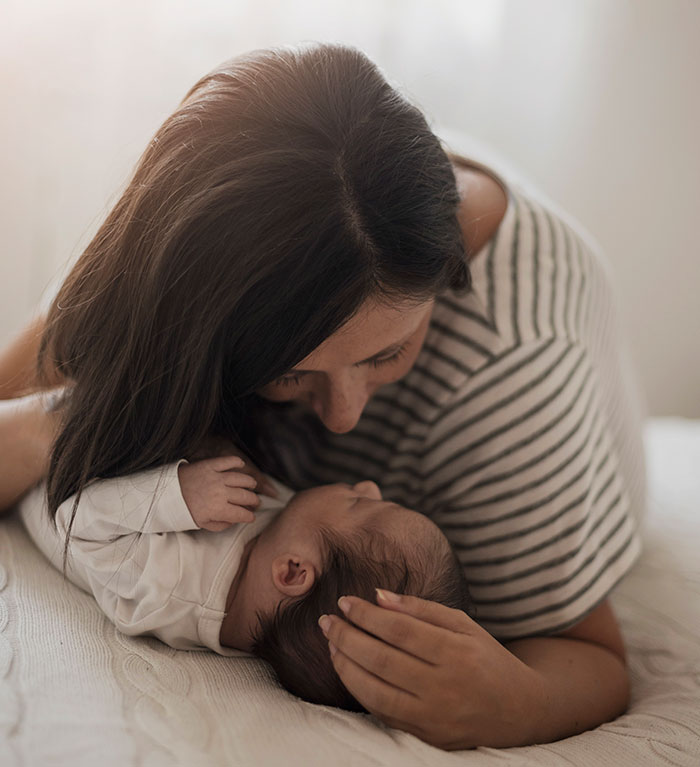
Image source: Any-Examination-8630, Freepik (not the actual photo)
What I forgot to mention is what maternity leave looks like in Austria: 1 year at 80% of your wage (though 14 instead of 12 pay checks) and a 2nd optional year without any pay checks.
Virtually all moms I know stay at home for at least a year, most even longer.
I guess it hasn’t occurred to me that sleep training is just a necessity if you have to return to work a lot earlier.
#13
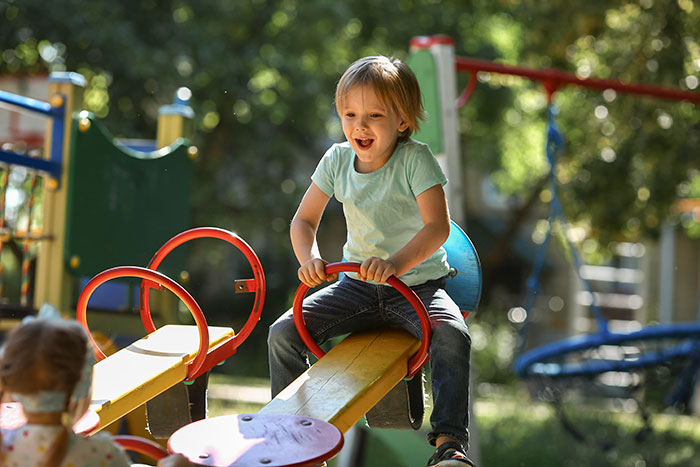
Image source: CacklingWitch99, Freepik (not the actual photo)
How independent the kids are. We moved from UK to Austria and there was a huge difference in how kids are treated.
In a lot of places in the UK it’s very unusual to allow primary age children to take public transport by themselves, but here it’s very normal. Kids still play in the street and are allowed to go to play parks by themselves- it’s a lot more like my own childhood.
#14
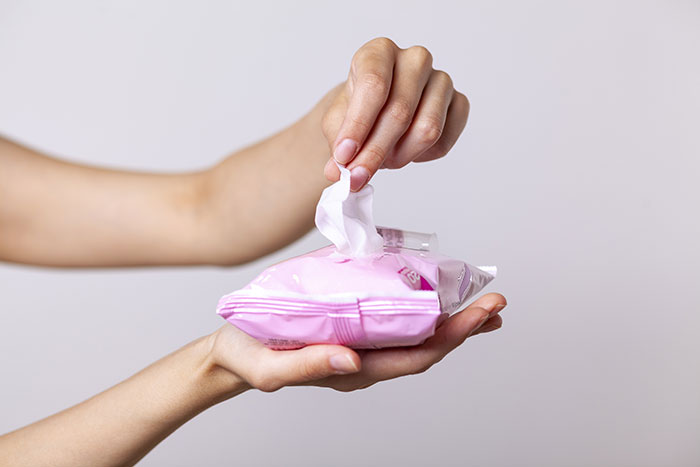
Image source: sharksarenotreal, adamr/Freepik (not the actual photo)
Not necessarily a parenting thing, but a hygiene thing: No wet wipes unless absolutely necessary. I was surprised because we received approximately >9000 packs of wet wipes as baby gifts, but nope, wet wipes are out. Apparently they have lipids or something that penetrates skin and can cause allergies. This is Finland.
#15
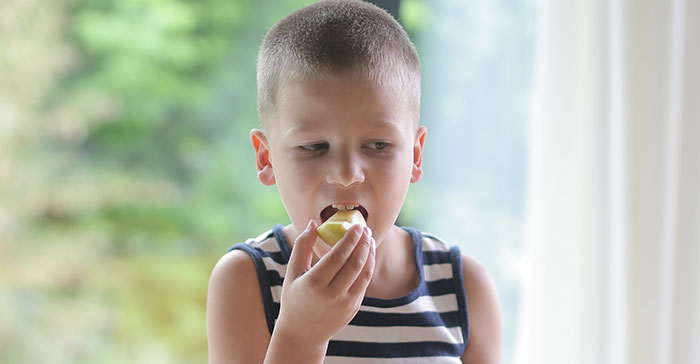
Image source: Luzi1, andreas/Freepik (not the actual photo)
My German nephew isn’t even two and eats what we eat. If he doesn’t like something he’ll get a muesli after but there aren’t special meals made for him. Is that a thing in the US?
#16
Image source: anon, bristekjegor/Freepik (not the actual photo)
I’m an American. Parenting here is very over the top and I find it ridiculous. I know most will not agree with me but that’s just how I feel. 🤷♀️ Too much “helicopter parenting”. It seems like it’s really frowned upon to have a life outside of your kids, have a job, or spend even a single night away from them.
Parental leave is short, too short. Mine is 16 weeks, which for the US, is considered very good, which says a lot about our leave policies.
Everything parenting strategy is up for debate, and people have a lot of strong opinions on them. If you do something differently than another parent, they might get offended and tell you how you’re going to ruin your child’s life. Not every parent is like that, but a lot of them are.
Sorry, I’m not trying to dump on the U.S., but parenting over here horrible sometimes. I feel like it’s a competition of some sorts. I’ve found my best “parenting strategy” is to just do what feels right to me and works best for our family. People might have an opinion, but at the end of the day, it’s not their family so not their business.
#17
Image source: eye_snap, freepic.diller/Freepik (not the actual photo)
New Zealand: Fed is best but they still push breastfeeding quite a bit, purees for solids instead of baby led weaning, sleep training, sleep in the same room till 6 months, sterilize bottles till 3 months. Everyone seems to have a pet here so exposure is considered good. A lot of parents seem to put emphasis on independent play for kids. Lots of clean air and outdoor activities.
I live in New Zealand but I am Turkish and I speak to Turkish friends with babies a lot.
Turkey: Co-sleeping as long as possible, no sleep training. Nap whenever. No pets near babies, extreme hygiene at all times, sterilize everything forever (although this applies to general Turkish culture anyway, clean obsessed), this also meens keep babies indoors as much as possible, minimum contact with nature, because its “dirty”.Pretty large emphasis on breastfeeding, and unfortunately very perfectionist ideology which puts immense pressure on new moms. Turks tend to be very judgy. Also you have to occupy your kid at all times, reading, playing, teaching constantly, less emphasis on independent play.
#18
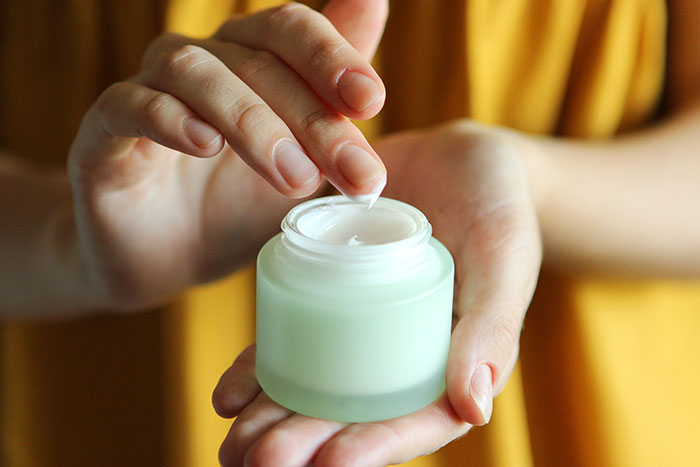
Image source: Keyspam102, whitebearstudio/Freepik (not the actual photo)
In France, we don’t use wet wipes. Here, they tell us to use this olive oil-based cream and use soap and water once a day. French people avoid wet wipes whenever possible
#19
Image source: anonymous, solovei23/Envato (not the actual photo)
In Spain, many people let children take a sip of beer or wine during celebrations (at least this was the case when I was small)!
#20
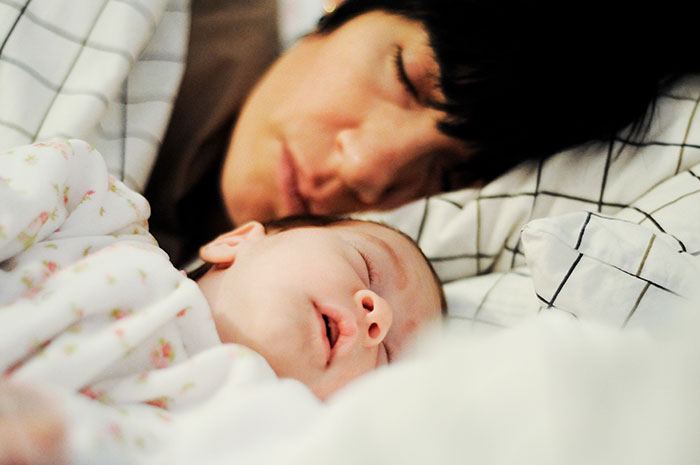
Image source: Kitchenstar20, javi_indy/Freepik (not the actual photo)
Hello 👋🏾 I am from India ( currently staying in USA). Co sleeping is normal in India. So much that there is no word for it. Everyone assumes baby is sleeping with the mother and breastfeeding. What you explained is what we do as well. Nurse to sleep , frequent wake up all common. Most babies will co sleep till 6/7 years old( minimum) .
Keeping babies in separate room is unheard of.
No one has heard of SIDS ( like they know but considered extreme case scenario ).
New mothers have huge support system in India. Parents, in laws help out a lot. May be that’s why easy to not sleep train ? There is always someone to look after the baby. This contributes to parent’s wellbeing even though sleep deprived. Good to see your perspective. I always wonder how non US folks handle baby sleep part. This gives me more clarity.
Also I agree, AAP has disconnect here about what actual baby sleep looks like. Most babies won’t sleep separately from their caregiver at this young age. They don’t know what normal infant sleep looks like.
#21
Image source: haein_a_bairn, Freepik (not the actual photo)
Scottish people are hilariously self deprecating and sarcastic. Support from other parents mainly revolves around the wise gem of “Oh yeah I remember that bit. But just wait until you get to THIS bit. That’s going to be EVEN WORSE” 😂
#22

Image source: Supertrample, iren_maslak/Freepik (not the actual photo)
My son was older when we moved to Southern Spain, and the big difference is how many kids in their mid-20’s live with their parents. Part of it is due to
unemployment, but part of it is cultural. Where I’m from in the US, it was expected that a kid would move out at 18 to either go to college or start a job, and wouldn’t move back in unless they’d run into significant trouble of some kind. To be clear, I think keeping the family connection stronger is important and the US swings from over-coddling the youth to ‘on your own and responsible for it all’ much too quickly. But this cultural difference stood out quite a bit when we moved a few years ago.
Also, there isn’t the same pushback against free-range parenting here in Spain as there is in the US. Young ones know how to use public transportation, and get themeselves around to school/activities without parents driving them everywhere like is expected in America. The local neighbors look out for them, as does the larger ‘village’.
#23
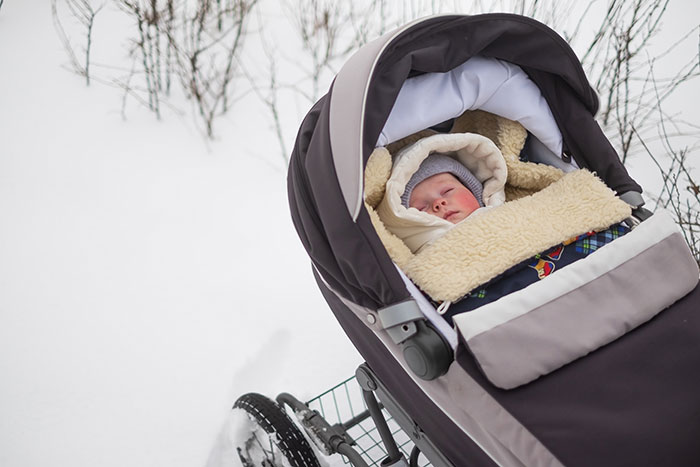
Image source: TonyGaze, koldunova_anna/Envato (not the actual photo)
Leaving babies to sleep in their strollers is pretty unique to Denmark. Basically, babies sleep a lot, so parents can just leave them in the stroller while they do other things during parental leave. It isn’t uncommon to see strollers parked around town with sleeping babies inside, for example, outside cafes and restaurants. Nap-time is also in the stroller, outside in the fresh air, come summer or winter. It is good for the baby’s health, probably, or something. And the baby keeps warm with their blankets and such, so no worry about that
#24
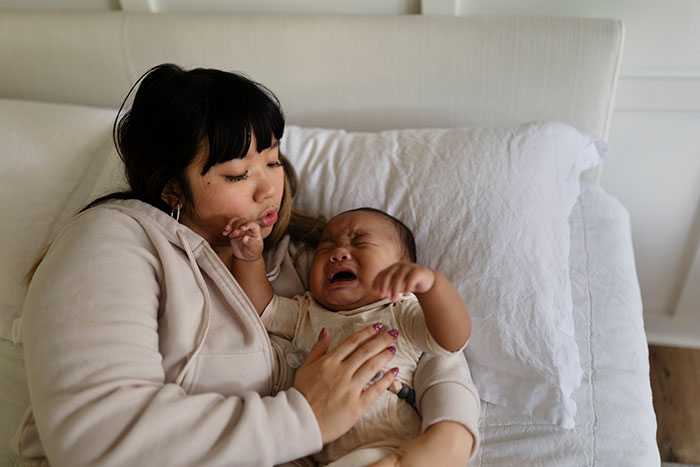
Image source: sakura7777, Freepik (not the actual photo)
In Japan, sleep training is pretty much unheard of. I recall asking friends/family about it when my son was an infant, and was told that if people heard babies crying for a long period of time, they would call the police for a wellness check! The idea of leaving a baby to cry on purpose is unthinkable
#25
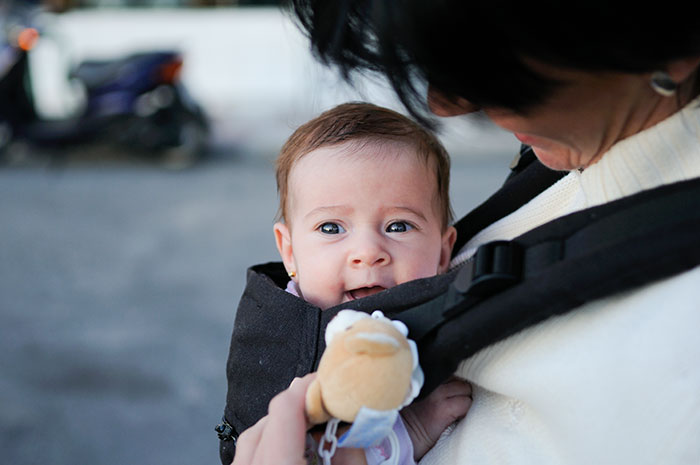
Image source: ReluctantHistorian, javi_indy/Freepik (not the actual photo)
Several things in Brazil stand out to me. People touch your baby all the time. Random strangers will walk up and squeeze their feet, sniff their hair. And people will just hand your kid food. Everything from cakes to a half-eaten ice cream cone.








Got wisdom to pour?
Keep up the great work! Posts like this truly make a difference for readers looking for reliable information.
https://magisstvhub.com/
The tone of this article is perfect—informative yet approachable. Well done!
About the cross cultural parenting styles, Receiving polite in-app tips about better streaming quality based on my connection in Yacine TV feels helpful, never pushy. Guidance done right. Download here: https://the-yacinetv.com/
Regarding the cross cultural parenting styles, You explained everything so clearly that even a complete beginner could follow along. Impressive! This is the most comprehensive guide I’ve seen on this subject. You’ve set a new standard!
Regarding the cross cultural parenting styles, You explained everything so clearly that even a complete beginner could follow along. Impressive!
Regarding discipline and being spoiled : it’s a family thing, I’ve grew up around well adjusted kids, kids who suffered from too much discipline and spoiled brats.: if you get dishes thrown at you, day in and day out, and never know the sense of feeling fed, you won’t be relaxed during “eating” – you’re in survival mode, arguing with youself if eating too less or standing the constant threat is less demanding. what you are never thinking about: everything that is mentioned here.
Regarding the cross cultural parenting styles, You explained everything so clearly that even a complete beginner could follow along. Impressive!