25 Ridiculously Simple Solutions That Fixed Annoying Problems
Big problems that were historically solved with small ideas.
Time and again, we’re reminded that most of us tend to overthink and overcomplicate things. This list of examples, showing how simple solutions can effectively solve problems, highlights how often we limit ourselves by not thinking outside the box.
Fortunately, some people are especially good at assessing situations objectively and coming up with ingenious yet easy fixes that make everyone else wonder why they didn’t think of them first. As you browse this list, it may spark a few ideas of your own. Shared by Redditors in response to the question, “What complicated problem was solved by an amazingly simple solution?”, scroll on to enjoy the clever workarounds that left many stumped until someone finally thought of a simple answer.
 Image source: DeadYen, wikipedia
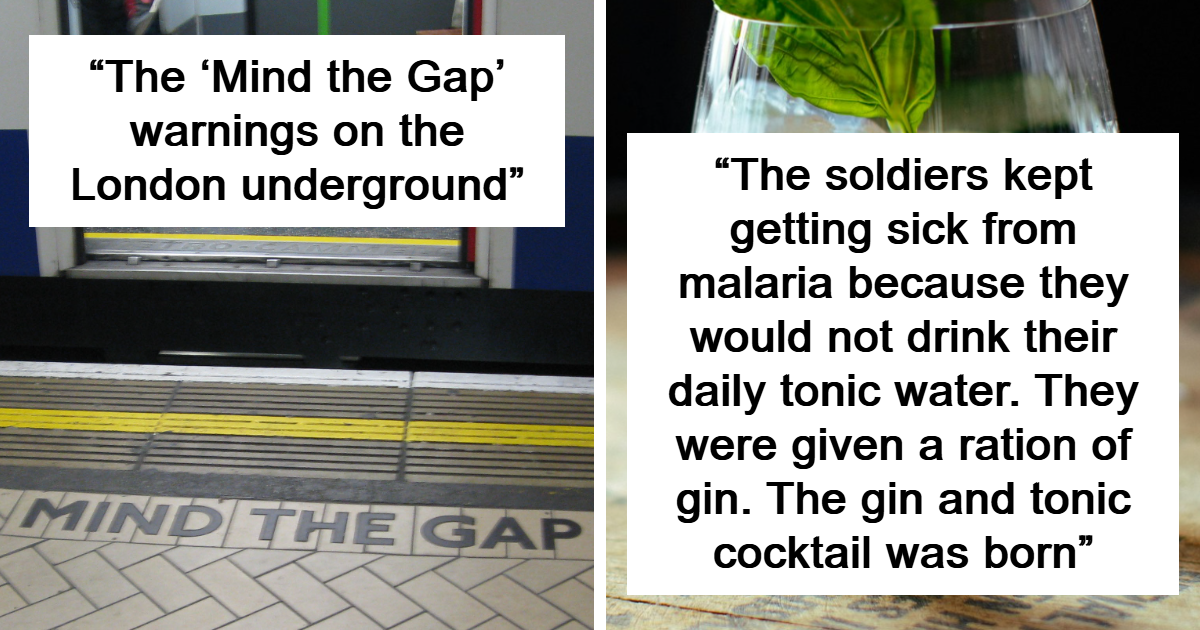
The "Mind the Gap" warnings on the London underground (both audio and visual) are generally considered effective due to a combination of frequency, psychological impact, and clarity, which contributes to overall passenger safety despite significant increases in passenger numbers.
Image source: DeadYen, wikipedia
The "Mind the Gap" warnings on the London underground (both audio and visual) are generally considered effective due to a combination of frequency, psychological impact, and clarity, which contributes to overall passenger safety despite significant increases in passenger numbers.
 Image source: AllAreStarStuff, Devin Berko
The British military couldn’t get their soldiers to take their doses of antimalarial. At the time, it was quinine mixed with water (and called tonic water). Quinine tastes incredibly bitter. So the soldiers kept getting sick or dying from malaria because they would not drink their daily tonic water. The simple solution was to give the soldiers a ration of gin, which alters the flavor of the quinine.
And thus, the gin and tonic cocktail was born.
Image source: AllAreStarStuff, Devin Berko
The British military couldn’t get their soldiers to take their doses of antimalarial. At the time, it was quinine mixed with water (and called tonic water). Quinine tastes incredibly bitter. So the soldiers kept getting sick or dying from malaria because they would not drink their daily tonic water. The simple solution was to give the soldiers a ration of gin, which alters the flavor of the quinine.
And thus, the gin and tonic cocktail was born.
 Image source: radraze2kx, Jake Gard
Kinda surprised nobody has mentioned this yet but crop rotation was a simple solution to a very complicated problem.
Image source: radraze2kx, Jake Gard
Kinda surprised nobody has mentioned this yet but crop rotation was a simple solution to a very complicated problem.
 Image source: Summerie, Alexander Schimmeck
Airports were frequently dealing with p****d off passengers who were able to get off the plane fairly quickly, but I hated the long wait for their bags. They tried to hire more staff to speed it up, they tried to move the belts faster, but people were still angry and annoyed at the time spent standing around waiting for their bags to be unloaded.
The simple fix? Just move the baggage claim further from the arrival gate, so that passengers spent more time walking. By the time they got to their bags, they were often waiting, and the number of complaints plummeted.
Image source: Summerie, Alexander Schimmeck
Airports were frequently dealing with p****d off passengers who were able to get off the plane fairly quickly, but I hated the long wait for their bags. They tried to hire more staff to speed it up, they tried to move the belts faster, but people were still angry and annoyed at the time spent standing around waiting for their bags to be unloaded.
The simple fix? Just move the baggage claim further from the arrival gate, so that passengers spent more time walking. By the time they got to their bags, they were often waiting, and the number of complaints plummeted.
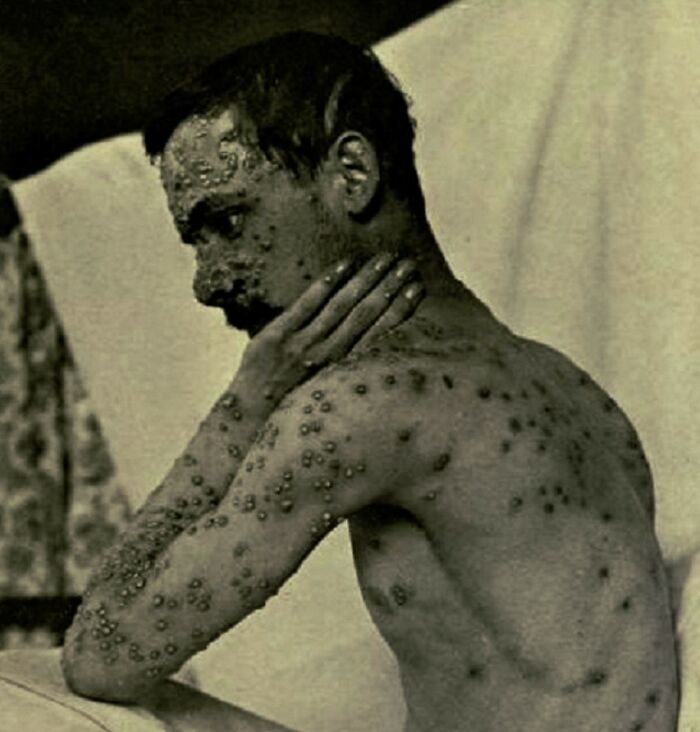 Image source: misogichan, Midnight Believ
Small pox was very d***ly (estimates put the mortality rate for outbreaks somewhere between 20-30% but with some outbreaks as high as 35%). A few different solutions were tried. In China powdered scabs could be used to induce a mild case and then immunity but with a 2-3% mortality rate. Despite the risk this was considered worthwhile enough the knowledge spread to Europe and Africa.
Edward Jenner developed a better solution using the pus from cowpox infections to inoculate people against smallpox.
Image source: misogichan, Midnight Believ
Small pox was very d***ly (estimates put the mortality rate for outbreaks somewhere between 20-30% but with some outbreaks as high as 35%). A few different solutions were tried. In China powdered scabs could be used to induce a mild case and then immunity but with a 2-3% mortality rate. Despite the risk this was considered worthwhile enough the knowledge spread to Europe and Africa.
Edward Jenner developed a better solution using the pus from cowpox infections to inoculate people against smallpox.
 Image source: Summerie, Getty Images
Shipping containers.
Before the 1950s, shipping goods across the ocean was expensive and chaotic. Every piece of cargo had to be loaded and unloaded manually from trucks, to trains, to ships, which was incredibly time-consuming, and also resulted in a lot of theft, damage, or your goods ending up mixed in with someone else else's goods.
Malcolm McLean invented a simple steel box that stacks and transfers easily between ships, trucks, and trains. It cut loading time *from days to hours*, and cut costs *by 90%*, and quickly became the standard for global trade.
Image source: Summerie, Getty Images
Shipping containers.
Before the 1950s, shipping goods across the ocean was expensive and chaotic. Every piece of cargo had to be loaded and unloaded manually from trucks, to trains, to ships, which was incredibly time-consuming, and also resulted in a lot of theft, damage, or your goods ending up mixed in with someone else else's goods.
Malcolm McLean invented a simple steel box that stacks and transfers easily between ships, trucks, and trains. It cut loading time *from days to hours*, and cut costs *by 90%*, and quickly became the standard for global trade.
 Image source: Sea_Perspective6891, Getty Images
Simply being more sanitary/clean helped slow down or almost completely put an end to allot of the health problems caused in the middle ages through the 19th century. I'm so glad I live in an era where being clean is something most people have adopted. Even just brushing teeth & using TP helped create a significantly healthier & better standard of living for most people.
Image source: Sea_Perspective6891, Getty Images
Simply being more sanitary/clean helped slow down or almost completely put an end to allot of the health problems caused in the middle ages through the 19th century. I'm so glad I live in an era where being clean is something most people have adopted. Even just brushing teeth & using TP helped create a significantly healthier & better standard of living for most people.
 Image source: MKleister, AllAboutLean.com
The Japanese ["Pointing and Calling"](https://en.wikipedia.org/wiki/Pointing_and_calling) safety standard, *Shisa Kanko* (指差喚呼), in the railway industry. By physically pointing at and saying what you're about to do, human error was reduced by almost 85%. It engages more areas of your brain (seeing, speaking, hearing, motion) which act like fail-safes.
I've implemented similar habits in real life. I always touch my key/wallet/phone before leaving the house; keep my eyes on what I'm working on; I do an ok?gesture after locking the door, so I don't forget; etc.
Image source: MKleister, AllAboutLean.com
The Japanese ["Pointing and Calling"](https://en.wikipedia.org/wiki/Pointing_and_calling) safety standard, *Shisa Kanko* (指差喚呼), in the railway industry. By physically pointing at and saying what you're about to do, human error was reduced by almost 85%. It engages more areas of your brain (seeing, speaking, hearing, motion) which act like fail-safes.
I've implemented similar habits in real life. I always touch my key/wallet/phone before leaving the house; keep my eyes on what I'm working on; I do an ok?gesture after locking the door, so I don't forget; etc.
 Image source: ConcertOverall3478, Jakub Żerdzicki
Using ZERO as a number.
Image source: ConcertOverall3478, Jakub Żerdzicki
Using ZERO as a number.
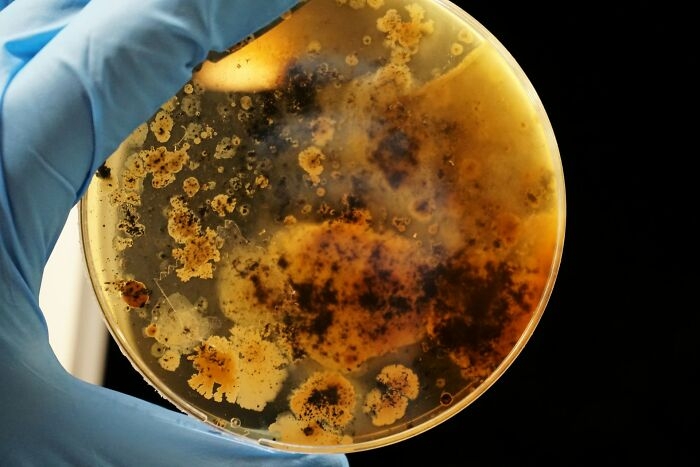 Image source: larabutcher, Adrian Lange
Many deadly infections were cured after the discovery of a forgotten moldy petri dish.
Penicillin and antibiotics rule!
Image source: larabutcher, Adrian Lange
Many deadly infections were cured after the discovery of a forgotten moldy petri dish.
Penicillin and antibiotics rule!
 Image source: UnicornSheets, Ev
Norway solves homelessness by giving people housing.
Image source: UnicornSheets, Ev
Norway solves homelessness by giving people housing.
 Image source: Live-Work8185, João Paulo Carnevalli de Oliveira
Water chlorination. Prior to it, water borne parasites and diseases ( think typhoid and cholera) were rampant and a major public safety concern. Water chlorination in public water supplies has saved countless lives.
Image source: Live-Work8185, João Paulo Carnevalli de Oliveira
Water chlorination. Prior to it, water borne parasites and diseases ( think typhoid and cholera) were rampant and a major public safety concern. Water chlorination in public water supplies has saved countless lives.
 Image source: UnicornSheets, Christian Englmeier
Breaking a large hole in the the ice on a reservoir during a deep freeze in winter reduces the blue green algae growth in the warmer months.
(Northeast USA) Reservoir management turn on reservoir “bubblers” in the middle of a deep cold snap in winter to break the ice layer above the bubbler. This then allows the exposed water below the ice to drop in temperature a few degrees. This few degrees is enough to k**l off the non-native fish species en-masse (ie Alewives) who cannot survive the colder temperatures. Non native fish species populations are directly correlated with the size and health of blue green algae populations within those reservoirs. Blue green algae/ cyanotoxins in fresh water used for drinking= bad.
Image source: UnicornSheets, Christian Englmeier
Breaking a large hole in the the ice on a reservoir during a deep freeze in winter reduces the blue green algae growth in the warmer months.
(Northeast USA) Reservoir management turn on reservoir “bubblers” in the middle of a deep cold snap in winter to break the ice layer above the bubbler. This then allows the exposed water below the ice to drop in temperature a few degrees. This few degrees is enough to k**l off the non-native fish species en-masse (ie Alewives) who cannot survive the colder temperatures. Non native fish species populations are directly correlated with the size and health of blue green algae populations within those reservoirs. Blue green algae/ cyanotoxins in fresh water used for drinking= bad.
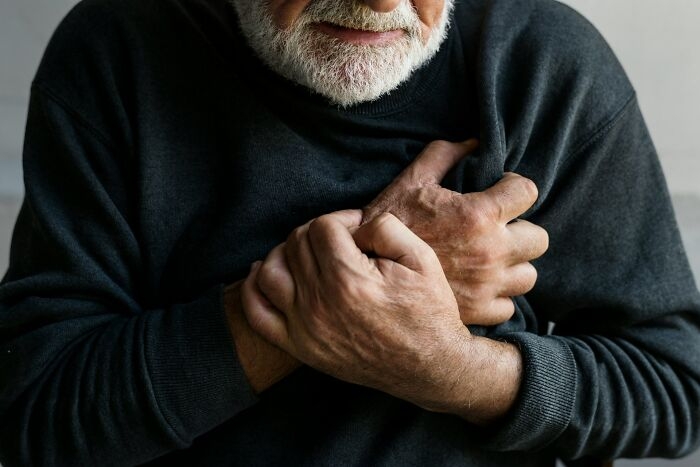 Image source: rachelsingsopera, Curated Lifestyle
Saving lives during a cardiac arrest by putting all the necessary supplies on a mobile cart. Rather than wasting precious minutes on finding the required medications/equipment, everything is just wheeled into the room.
Image source: rachelsingsopera, Curated Lifestyle
Saving lives during a cardiac arrest by putting all the necessary supplies on a mobile cart. Rather than wasting precious minutes on finding the required medications/equipment, everything is just wheeled into the room.
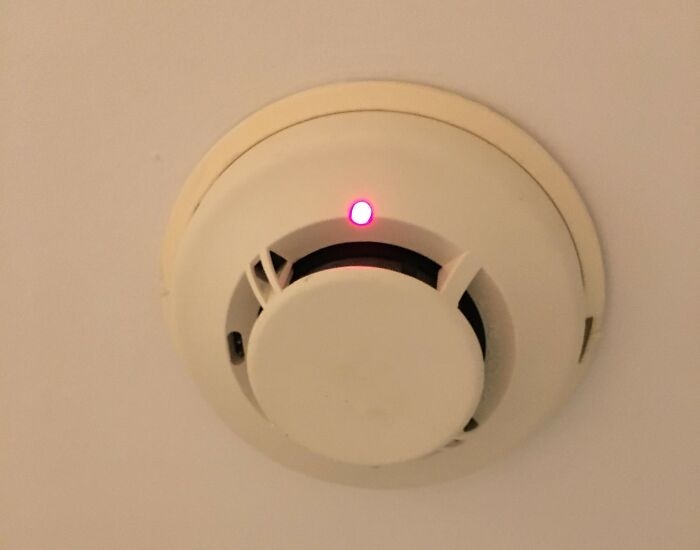 Image source: IrritableGourmet, backup312
Small children don't wake up from smoke detector alarms consistently, so researchers created one that just had a woman's voice saying "Wake up, the house is on fire." It was much more effective at getting them up and out of bed.
Image source: IrritableGourmet, backup312
Small children don't wake up from smoke detector alarms consistently, so researchers created one that just had a woman's voice saying "Wake up, the house is on fire." It was much more effective at getting them up and out of bed.
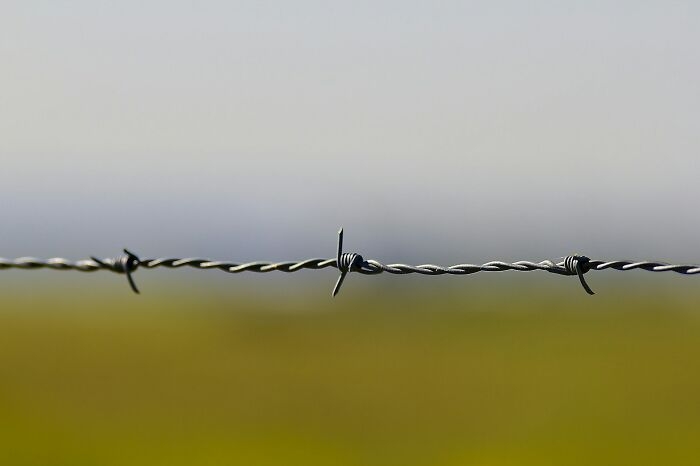 Image source: EssayerX, Daniel Eledut
Barbed wire was revolutionary for farming.
It was cheap and allowed for the erection of large scale fencing for the first time, ultimately leading to the industrialisation of agriculture.
Image source: EssayerX, Daniel Eledut
Barbed wire was revolutionary for farming.
It was cheap and allowed for the erection of large scale fencing for the first time, ultimately leading to the industrialisation of agriculture.
 Image source: InitialLevel4189, Claudio Schwarz
Woman and their newborns dying from infection after child birth.
Solution? Doctors washing hands before and after meeting a patient.
Forgot the name of the doctor that thought of it but I remember he was striped of all his titles and sent to an asylum for trying to push doctors to implement this into there practice.
Image source: InitialLevel4189, Claudio Schwarz
Woman and their newborns dying from infection after child birth.
Solution? Doctors washing hands before and after meeting a patient.
Forgot the name of the doctor that thought of it but I remember he was striped of all his titles and sent to an asylum for trying to push doctors to implement this into there practice.
 Image source: Alleline, Ruthson Zimmerman
Clean water. A whole bunch of complicated public health issues were solved/reduced by controlling city water supplies and making them clean. Clean water laws had a more immediate impact on longevity than vaccines and antibiotics. For vaccines and antibiotics, it takes a generation for the increased life span to start showing up in your statistics. The evidence that sanitary water saved lives was clear within a couple of years. Source: Gerald Grob, The Deadly Truth: A History of Disease in America.
Image source: Alleline, Ruthson Zimmerman
Clean water. A whole bunch of complicated public health issues were solved/reduced by controlling city water supplies and making them clean. Clean water laws had a more immediate impact on longevity than vaccines and antibiotics. For vaccines and antibiotics, it takes a generation for the increased life span to start showing up in your statistics. The evidence that sanitary water saved lives was clear within a couple of years. Source: Gerald Grob, The Deadly Truth: A History of Disease in America.
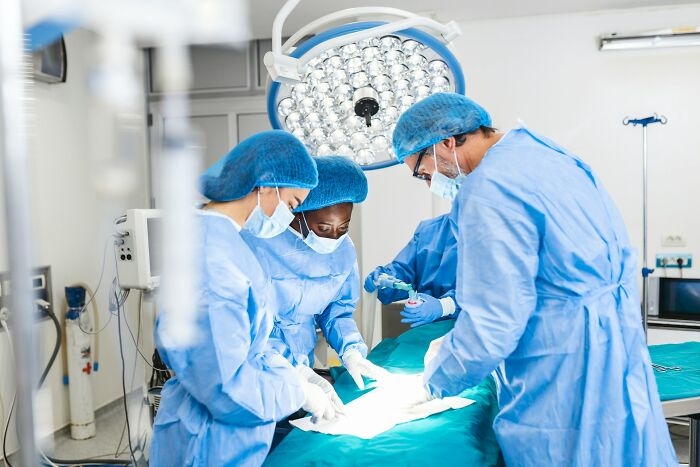 Image source: pumpymcpumpface, Getty Images
Oh I have a good one. So, with lung transplants, an issue has always been "how long can the lungs be out of the donor and still be viable". Traditionally, you store them on ice around 4 degrees Celsius and 5 to 6 hours is kinda typical for the ischemic time, longer you start to have issues. This creates many logistical issues. Now there's more and more devices out now that can extend that, keep it warm, pump blood through it, oxygenated, etc, but those are all complex and Hella expensive.
Turns out, if you just store the lungs in a fridge at 10 degrees Celsius, the ischemic time can be increased to 12 hours or even more without worse outcomes vs traditional cold storage.
Image source: pumpymcpumpface, Getty Images
Oh I have a good one. So, with lung transplants, an issue has always been "how long can the lungs be out of the donor and still be viable". Traditionally, you store them on ice around 4 degrees Celsius and 5 to 6 hours is kinda typical for the ischemic time, longer you start to have issues. This creates many logistical issues. Now there's more and more devices out now that can extend that, keep it warm, pump blood through it, oxygenated, etc, but those are all complex and Hella expensive.
Turns out, if you just store the lungs in a fridge at 10 degrees Celsius, the ischemic time can be increased to 12 hours or even more without worse outcomes vs traditional cold storage.
#1
Image source: DeadYen, wikipedia
The "Mind the Gap" warnings on the London underground (both audio and visual) are generally considered effective due to a combination of frequency, psychological impact, and clarity, which contributes to overall passenger safety despite significant increases in passenger numbers.
#2
Image source: AllAreStarStuff, Devin Berko
The British military couldn’t get their soldiers to take their doses of antimalarial. At the time, it was quinine mixed with water (and called tonic water). Quinine tastes incredibly bitter. So the soldiers kept getting sick or dying from malaria because they would not drink their daily tonic water. The simple solution was to give the soldiers a ration of gin, which alters the flavor of the quinine.
And thus, the gin and tonic cocktail was born.
#3
Image source: radraze2kx, Jake Gard
Kinda surprised nobody has mentioned this yet but crop rotation was a simple solution to a very complicated problem.
#4
Image source: Summerie, Alexander Schimmeck
Airports were frequently dealing with p****d off passengers who were able to get off the plane fairly quickly, but I hated the long wait for their bags. They tried to hire more staff to speed it up, they tried to move the belts faster, but people were still angry and annoyed at the time spent standing around waiting for their bags to be unloaded.
The simple fix? Just move the baggage claim further from the arrival gate, so that passengers spent more time walking. By the time they got to their bags, they were often waiting, and the number of complaints plummeted.
#5
Image source: misogichan, Midnight Believ
Small pox was very d***ly (estimates put the mortality rate for outbreaks somewhere between 20-30% but with some outbreaks as high as 35%). A few different solutions were tried. In China powdered scabs could be used to induce a mild case and then immunity but with a 2-3% mortality rate. Despite the risk this was considered worthwhile enough the knowledge spread to Europe and Africa.
Edward Jenner developed a better solution using the pus from cowpox infections to inoculate people against smallpox.
#6
There was a mayor called Jaime Lerner in the southern city of Curitiba in Brazil who was famous for using simple creative solutions for solving third world urban problems In Curitiba’s slums, where garbage trucks could not enter, he created a trash-for-vegetables program. Residents collected their waste and exchanged it for fresh vegetables grown in city gardens, improving cleanliness, nutrition, and public health at the same time. To clean polluted rivers and lakes, Lerner paid fishermen to collect trash from the water instead of fish in the off season. This protected wildlife, cleaned the waterways, and still provided sustainable income for the fishermen. Another example is flood control. Instead of building costly concrete canals, Lerner turned flood-prone areas into public parks. These green spaces absorbed excess water during heavy rain and became recreational areas when dry. This solved environmental problems while improving quality of life. Rather than paying for expensive lawn mowing maintenance he introduced flocks of sheep. Rather than building an expensive underground metro he developed an overground Bus Rapid transit system on dedicated roads with stations that moved the same amount of people at one sixth of the cost. One problem was lining the bus exactly up with pedestrian bus stations which his foreign consultants had many expensive technology solutions. He solved it with a pencil marking. Image source: Ok-Imagination-494#7
Image source: Summerie, Getty Images
Shipping containers.
Before the 1950s, shipping goods across the ocean was expensive and chaotic. Every piece of cargo had to be loaded and unloaded manually from trucks, to trains, to ships, which was incredibly time-consuming, and also resulted in a lot of theft, damage, or your goods ending up mixed in with someone else else's goods.
Malcolm McLean invented a simple steel box that stacks and transfers easily between ships, trucks, and trains. It cut loading time *from days to hours*, and cut costs *by 90%*, and quickly became the standard for global trade.
#8
Image source: Sea_Perspective6891, Getty Images
Simply being more sanitary/clean helped slow down or almost completely put an end to allot of the health problems caused in the middle ages through the 19th century. I'm so glad I live in an era where being clean is something most people have adopted. Even just brushing teeth & using TP helped create a significantly healthier & better standard of living for most people.
#9
Image source: MKleister, AllAboutLean.com
The Japanese ["Pointing and Calling"](https://en.wikipedia.org/wiki/Pointing_and_calling) safety standard, *Shisa Kanko* (指差喚呼), in the railway industry. By physically pointing at and saying what you're about to do, human error was reduced by almost 85%. It engages more areas of your brain (seeing, speaking, hearing, motion) which act like fail-safes.
I've implemented similar habits in real life. I always touch my key/wallet/phone before leaving the house; keep my eyes on what I'm working on; I do an ok?gesture after locking the door, so I don't forget; etc.
#10
This is an old one they tell in management classes: a toothpaste factory has a major issue. The defect rate of boxes being packed for shipment that, through human error, do not have toothpaste inside is too high, greater than 1%. It’s leading to significant issues for the brand as customer complaints start piling up. The management team calls in experts from all over. They begin engineering solutions. A scale to measure the weight of the boxes? Hiring a team of checkers to manually vet each employee’s packed orders? The potential solutions roll in, as do the potential increased costs for each solution. Then one day? The defects stop. Management is befuddled by this. The fancy experts had not yet implemented any solutions. How could the defects have stopped? Curious they walk the assembly line to see. Edna, the chief toothpaste packer of 40 years, has made a small change: she set up a box fan on the conveyor belt right before the boxes get placed into the delivery truck. Full toothpaste box, good to go? The breeze from the box fan isn’t strong enough to impact it. Empty dud that escaped human notice? The light cardboard is no match for the fan and blows to the floor, safe from being shipped out. The moral of the story in management classes is that listening to your own people is more powerful than hiring experts, but in the possible world where it’s a true story Edna and her box fan solved a complex problem very simply. Image source: Starkpo#11
Image source: ConcertOverall3478, Jakub Żerdzicki
Using ZERO as a number.
#12
Image source: larabutcher, Adrian Lange
Many deadly infections were cured after the discovery of a forgotten moldy petri dish.
Penicillin and antibiotics rule!
#13
Image source: UnicornSheets, Ev
Norway solves homelessness by giving people housing.
#14
I dunno if that happened everywhere but in France, Iodine deficiency was a major public health problem in the mountains and in places far away from the sea because before refrigirated transport, they couldn't have access to seafood. They simply added a little bit of iodine to table salt and it erased the problem overnight. Image source: GalagoNapoleon#15
Image source: Live-Work8185, João Paulo Carnevalli de Oliveira
Water chlorination. Prior to it, water borne parasites and diseases ( think typhoid and cholera) were rampant and a major public safety concern. Water chlorination in public water supplies has saved countless lives.
#16
I have a friend who is a pretty big deal consultant. He works with companies in a ton of different fields and you bring him in when you have a process that is causing you major problems and no one else has been able to figure out a solution. It could be a scheduling process issue, a QC issue, a safety issue, etc. Basically, he is the last guy you call before you give up. He has tons of stories like this, but this is my favorite: One day he is contacted by a large company somewhere in Asia (I can't remember the exact country ATM). They are having a major issue with injuries on the factory floor and have spent hundreds of thousands, if not a million dollars trying to figure out how to solve the issue. He goes to the factory and spends about 20 minutes on the floor before going to meet with the president of the company. During the meeting he tells the president that he has a solution for his problem, but it is so simple that he is going to rewrite the cotract with a reduced fee, but he is going to require payment up front because (as he tells it) no one would ever pay him for such a simple solution. Turns out the offending machine required something like six people to operate and they all had to use various controls while the machine was operating. However, when using the controls, the operators would frequently end up getting hurt by the machine. His solution....move the controls for each person by 2 feet. Last I heard no one has been injured since. He did get his payment. Image source: OreoSoupIsBest#17
Image source: UnicornSheets, Christian Englmeier
Breaking a large hole in the the ice on a reservoir during a deep freeze in winter reduces the blue green algae growth in the warmer months.
(Northeast USA) Reservoir management turn on reservoir “bubblers” in the middle of a deep cold snap in winter to break the ice layer above the bubbler. This then allows the exposed water below the ice to drop in temperature a few degrees. This few degrees is enough to k**l off the non-native fish species en-masse (ie Alewives) who cannot survive the colder temperatures. Non native fish species populations are directly correlated with the size and health of blue green algae populations within those reservoirs. Blue green algae/ cyanotoxins in fresh water used for drinking= bad.
#18
Aircraft checklists. Before a 1935 crash of a B-17 prototype, pilots just trained on how to do the necessary steps of starting, taking off, cruising, etc etc. A very experienced test pilot forgot to take off the gust locks before takeoff (a control restrictor so that things don't move around in the wind while sitting on the ground). After the crash engineers developed the first checklist for each stage of flight so that each little/big item would be sure to be attended to and so you didn't have to depend on your memory. Image source: mpup55#19
Marvin Pipkin, an engineer with GE, was experimenting with acid washes to "frost" clear light bulbs. Clear light bulbs are very fragile and are difficult to use for tasks like reading and close work so efforts to diffuse the brightness were very important. Pipkin filled a bulb with an acid solution and then stepped away to take a call, rather than pour the acid out immediately. When he returned, he tipped the bulb off the table by mistake and instead of breaking it bounced off the floor and stayed intact. Turns out that leaving a weak acid solution inside the bulb for a longer time was the only requirement for making light bulbs commercially viable. Image source: swimtwobirds#20
Image source: rachelsingsopera, Curated Lifestyle
Saving lives during a cardiac arrest by putting all the necessary supplies on a mobile cart. Rather than wasting precious minutes on finding the required medications/equipment, everything is just wheeled into the room.
#21
Image source: IrritableGourmet, backup312
Small children don't wake up from smoke detector alarms consistently, so researchers created one that just had a woman's voice saying "Wake up, the house is on fire." It was much more effective at getting them up and out of bed.
#22
Image source: EssayerX, Daniel Eledut
Barbed wire was revolutionary for farming.
It was cheap and allowed for the erection of large scale fencing for the first time, ultimately leading to the industrialisation of agriculture.
#23
Image source: InitialLevel4189, Claudio Schwarz
Woman and their newborns dying from infection after child birth.
Solution? Doctors washing hands before and after meeting a patient.
Forgot the name of the doctor that thought of it but I remember he was striped of all his titles and sent to an asylum for trying to push doctors to implement this into there practice.
#24
Image source: Alleline, Ruthson Zimmerman
Clean water. A whole bunch of complicated public health issues were solved/reduced by controlling city water supplies and making them clean. Clean water laws had a more immediate impact on longevity than vaccines and antibiotics. For vaccines and antibiotics, it takes a generation for the increased life span to start showing up in your statistics. The evidence that sanitary water saved lives was clear within a couple of years. Source: Gerald Grob, The Deadly Truth: A History of Disease in America.
#25
Image source: pumpymcpumpface, Getty Images
Oh I have a good one. So, with lung transplants, an issue has always been "how long can the lungs be out of the donor and still be viable". Traditionally, you store them on ice around 4 degrees Celsius and 5 to 6 hours is kinda typical for the ischemic time, longer you start to have issues. This creates many logistical issues. Now there's more and more devices out now that can extend that, keep it warm, pump blood through it, oxygenated, etc, but those are all complex and Hella expensive.
Turns out, if you just store the lungs in a fridge at 10 degrees Celsius, the ischemic time can be increased to 12 hours or even more without worse outcomes vs traditional cold storage.DE
Written by
Demilked Editorial
SaaS Review Specialist · Demilked
With 5+ years in the creator, entertainment, and publishing spaces, Demilked shortlists, reviews, and ranks leading tools that actually make your life easier.