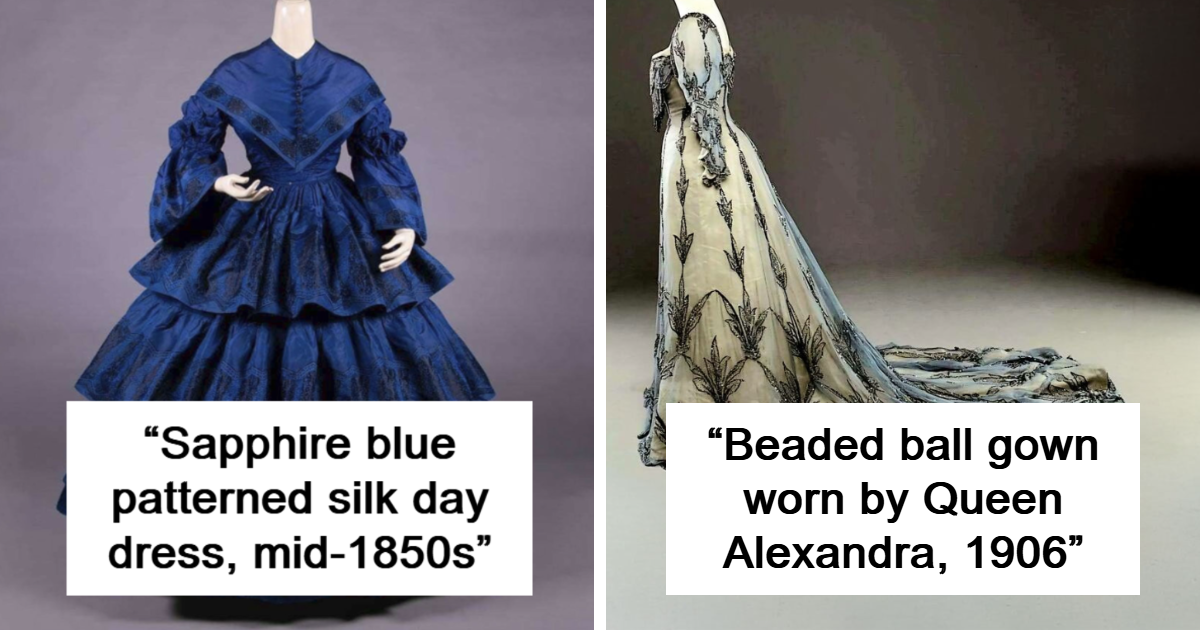
35 Vintage Luxuries That Make Us Wish To Revisit The Past
In an age where we often question whether what we see is genuinely man-made, it’s easy to look at something impressive and wonder if AI was behind it. Modern technology offers designers and creators immense support, and our sense of awe is now subtly coloured by that awareness. Yet looking back at treasures from the past remains a uniquely fascinating experience for those who admire human skill, effort, and vision.
The Treasure Trove of Vintage Pleasures Facebook group is exactly the kind of community that lovers of the past will find visually enchanting. Today, we explore a few of our favourites from their elegant collection of luxurious vintage clothing, jewellery, and paintings—pieces that reveal extraordinary artistry, craftsmanship, and mastery of traditional tools. These intricate and impressive designs continue to leave viewers today utterly awestruck.
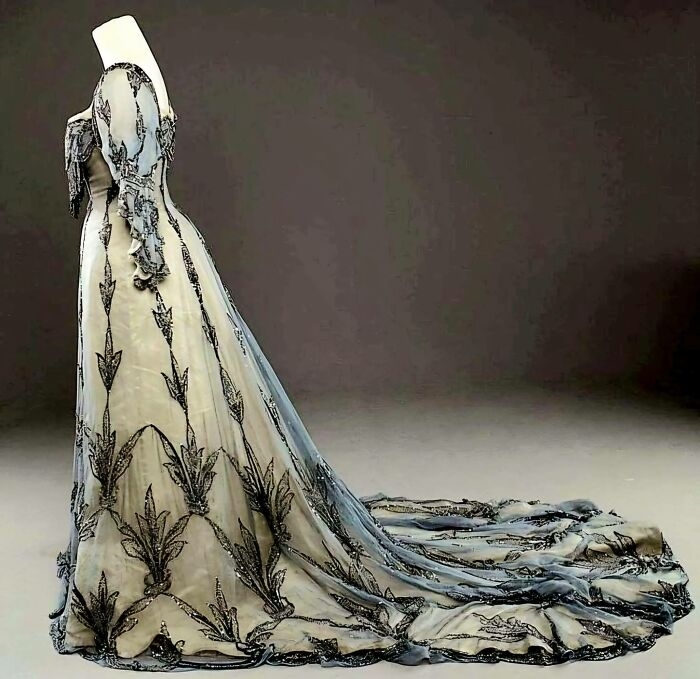 Image source: Treasure Trove of Vintage Pleasures
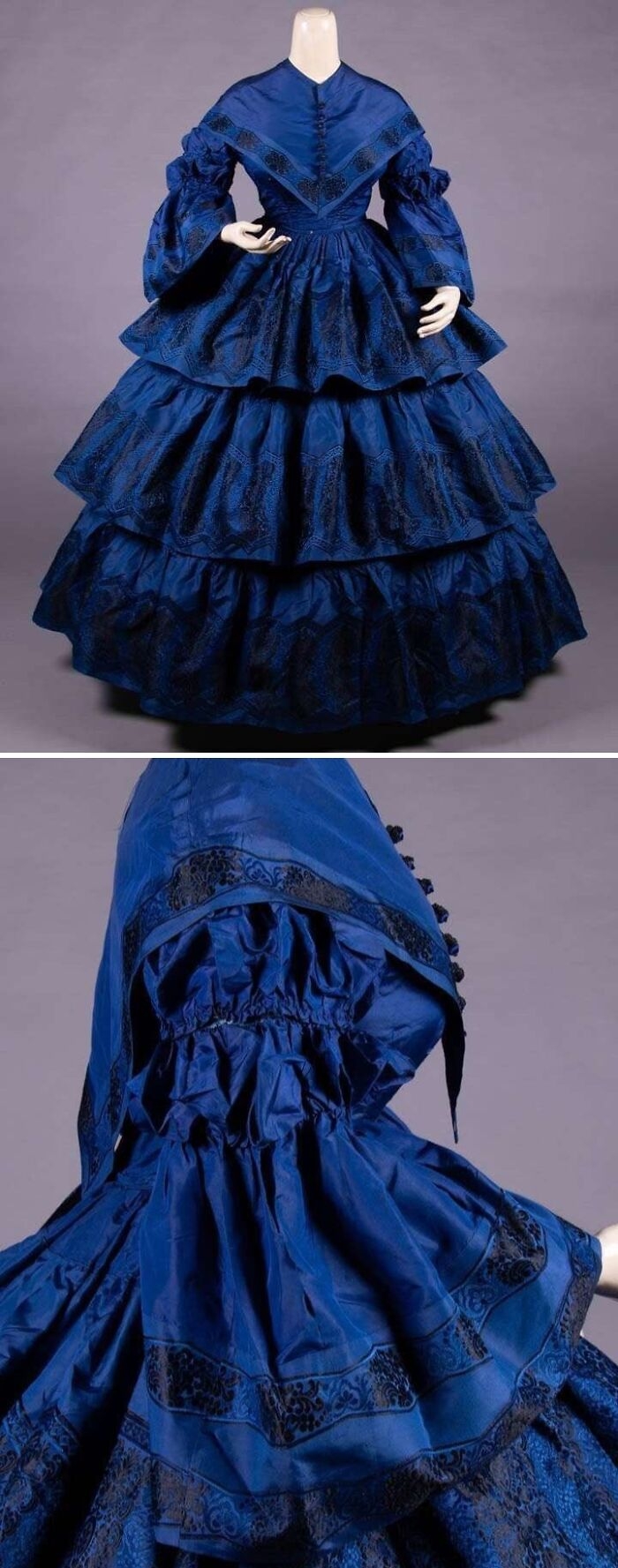 Image source: Treasure Trove of Vintage Pleasures
 Image source: Treasure Trove of Vintage Pleasures
Heinrich Gogarten (1850-1911) was a 19th-century landscape painter known for his mastery of winter scenes. He was born in Linz am Rhein. He studied at the Dusseldorf Art Academy under the renowned painter Oswald Achenbach. Most of his works are in private hands.
Image source: Treasure Trove of Vintage Pleasures
Heinrich Gogarten (1850-1911) was a 19th-century landscape painter known for his mastery of winter scenes. He was born in Linz am Rhein. He studied at the Dusseldorf Art Academy under the renowned painter Oswald Achenbach. Most of his works are in private hands.
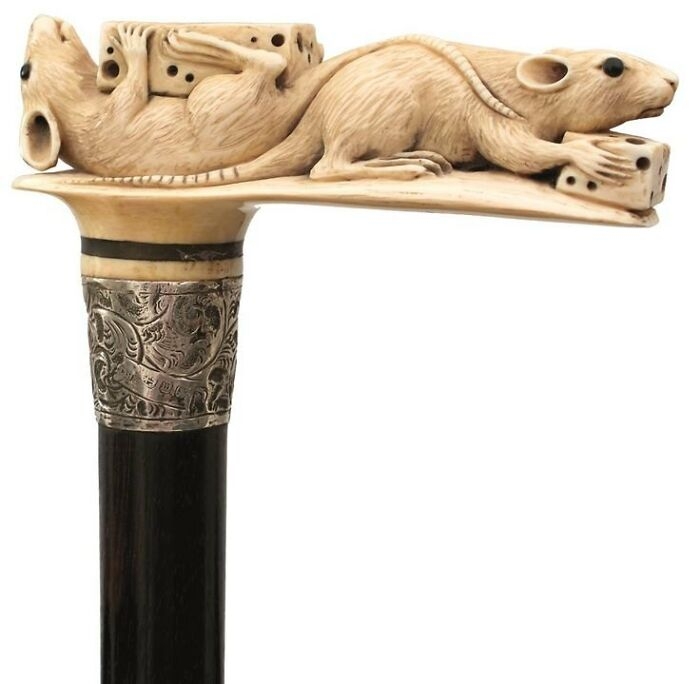 Image source: Treasure Trove of Vintage Pleasures
The ivory handle is carved as two rats or mice eating cheese, foliate engraved silver collar hallmarked Birmingham 1896, ebonised haft, metal ferrule.
Image source: Treasure Trove of Vintage Pleasures
The ivory handle is carved as two rats or mice eating cheese, foliate engraved silver collar hallmarked Birmingham 1896, ebonised haft, metal ferrule.
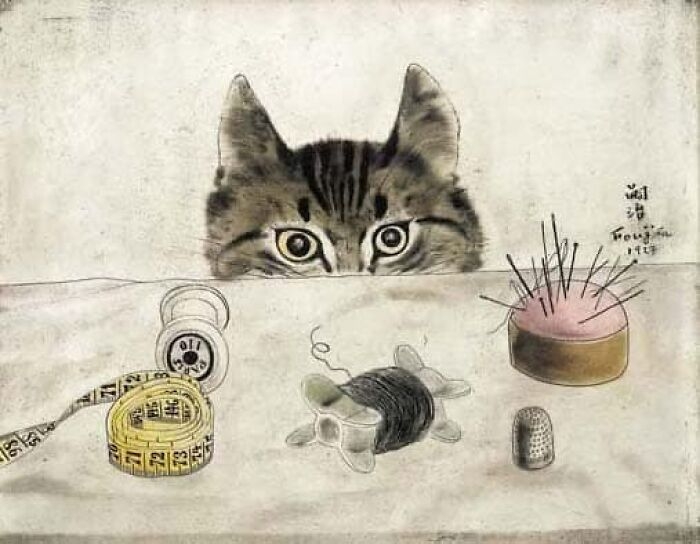 Image source: Treasure Trove of Vintage Pleasures
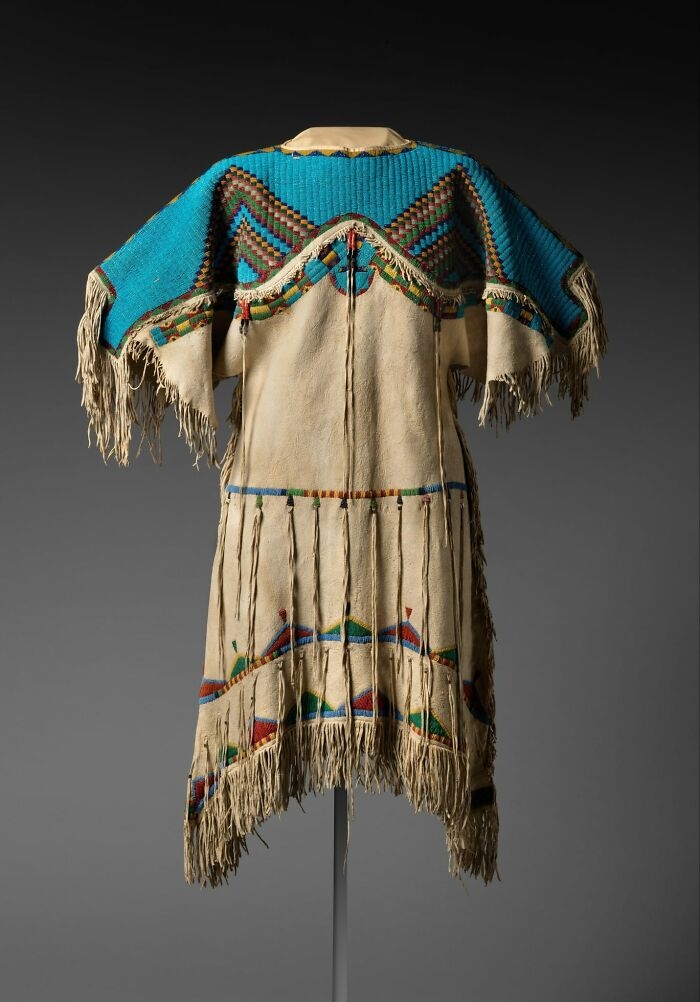 Image source: Treasure Trove of Vintage Pleasures
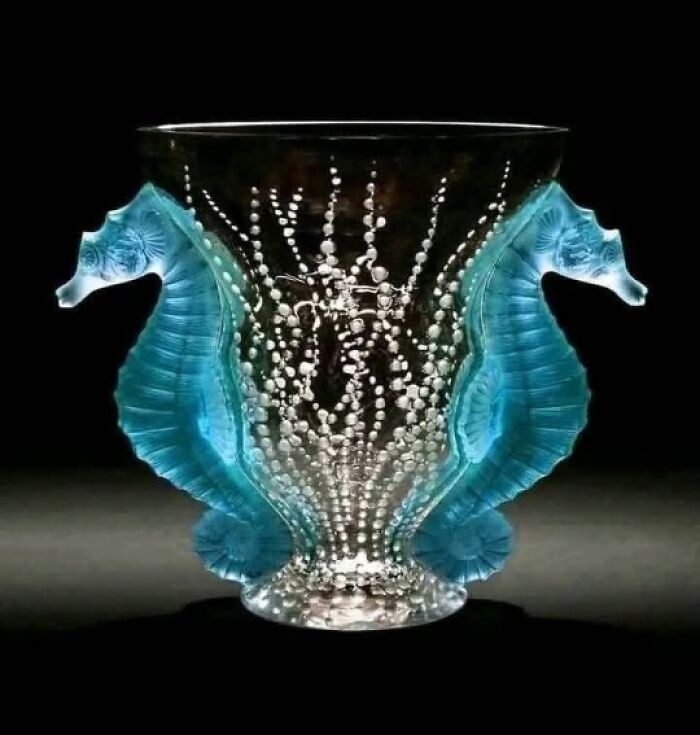 Image source: Treasure Trove of Vintage Pleasures
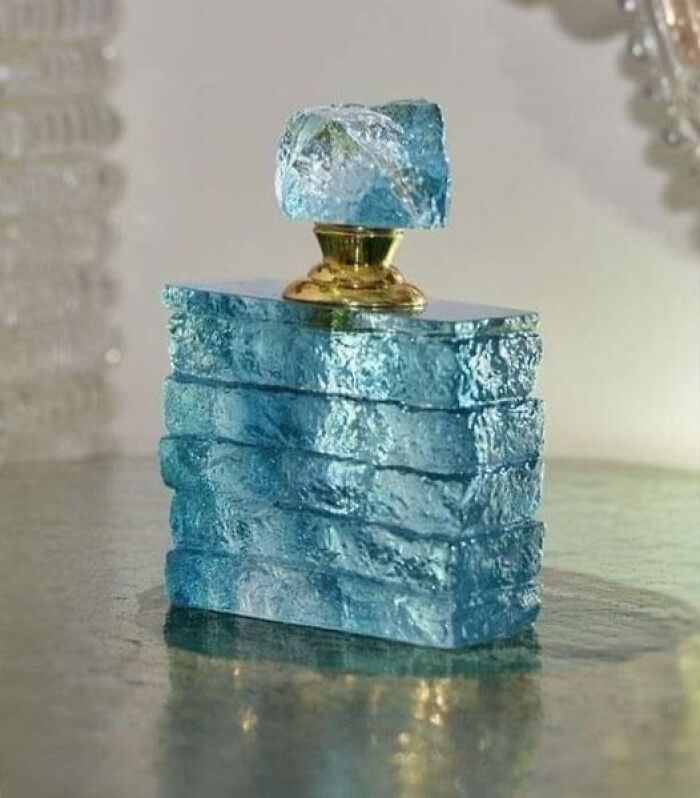 Image source: Treasure Trove of Vintage Pleasures
The bottle has a stacked, "brutalist" ice-like or cut-glass appearance and a brass-toned stopper.
Image source: Treasure Trove of Vintage Pleasures
The bottle has a stacked, "brutalist" ice-like or cut-glass appearance and a brass-toned stopper.
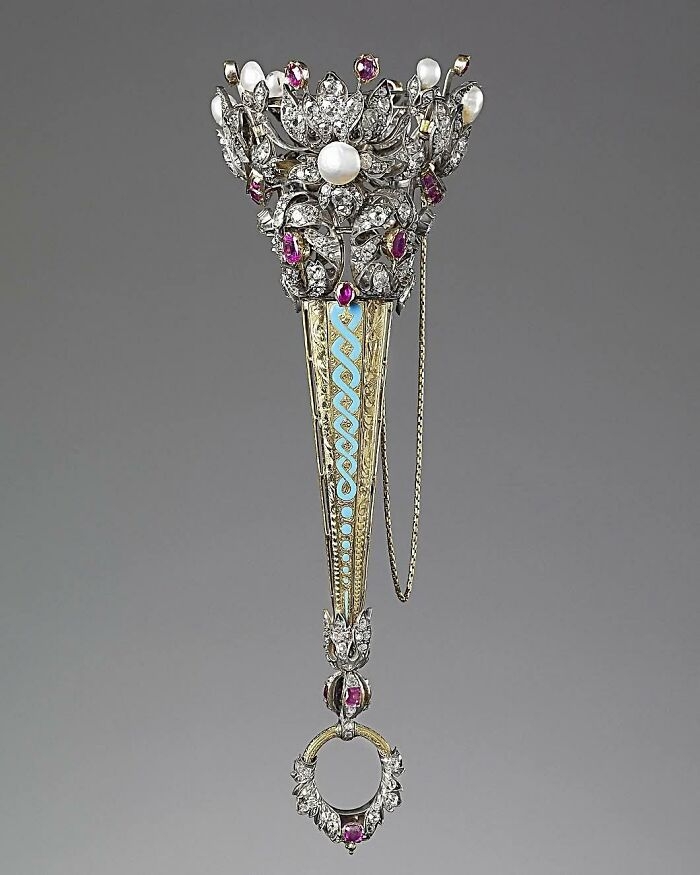 Image source: Treasure Trove of Vintage Pleasures
This specific piece was a gift to Queen Victoria from the French Empress Eugénie during a state visit to France in August 1855.
The holder is elaborately decorated with diamonds, rubies, and pearls. It features intricate gold and silver openwork, with a central section adorned with light blue enamel in a Celtic knot pattern.
-Royal Collection Trust
Image source: Treasure Trove of Vintage Pleasures
This specific piece was a gift to Queen Victoria from the French Empress Eugénie during a state visit to France in August 1855.
The holder is elaborately decorated with diamonds, rubies, and pearls. It features intricate gold and silver openwork, with a central section adorned with light blue enamel in a Celtic knot pattern.
-Royal Collection Trust
 Image source: Treasure Trove of Vintage Pleasures
 Image source: Treasure Trove of Vintage Pleasures
 Image source: Treasure Trove of Vintage Pleasures
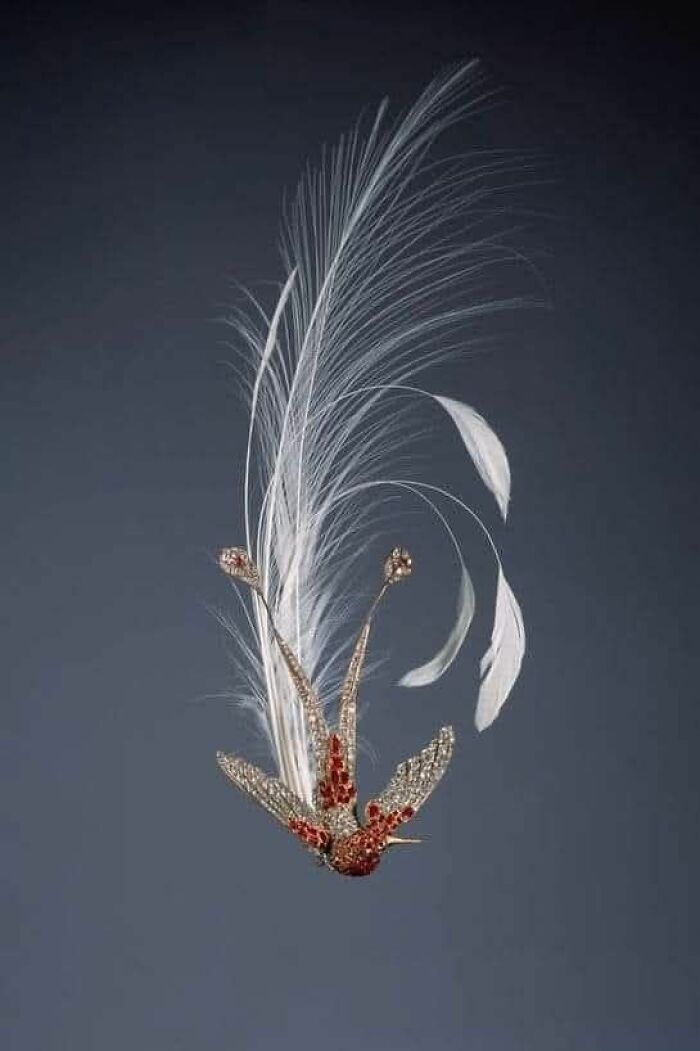 Image source: Treasure Trove of Vintage Pleasures
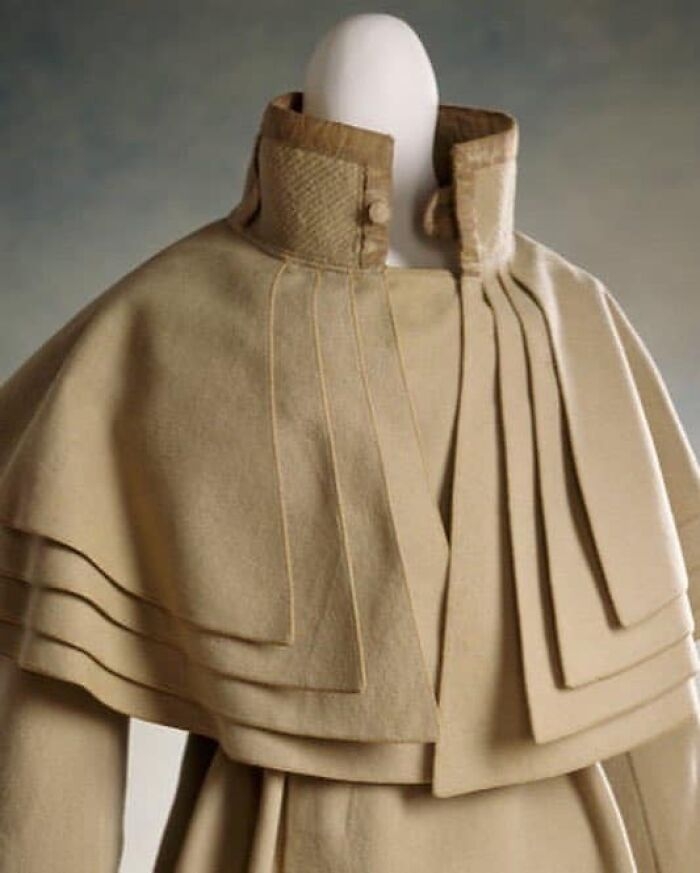 Image source: Treasure Trove of Vintage Pleasures
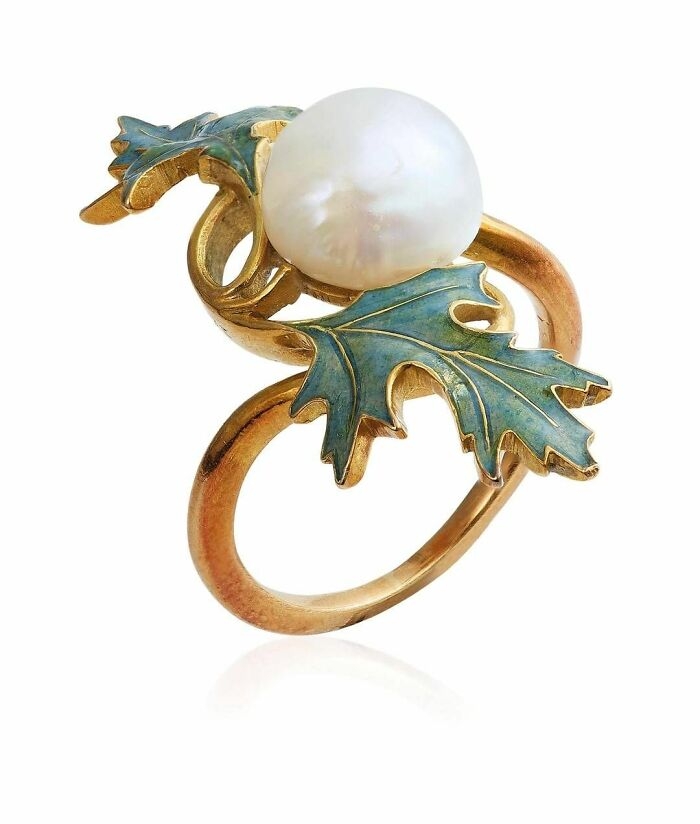 Image source: Treasure Trove of Vintage Pleasures
Centering a button-shaped pearl, between leaves applied with green enamel.
Image source: Treasure Trove of Vintage Pleasures
Centering a button-shaped pearl, between leaves applied with green enamel.
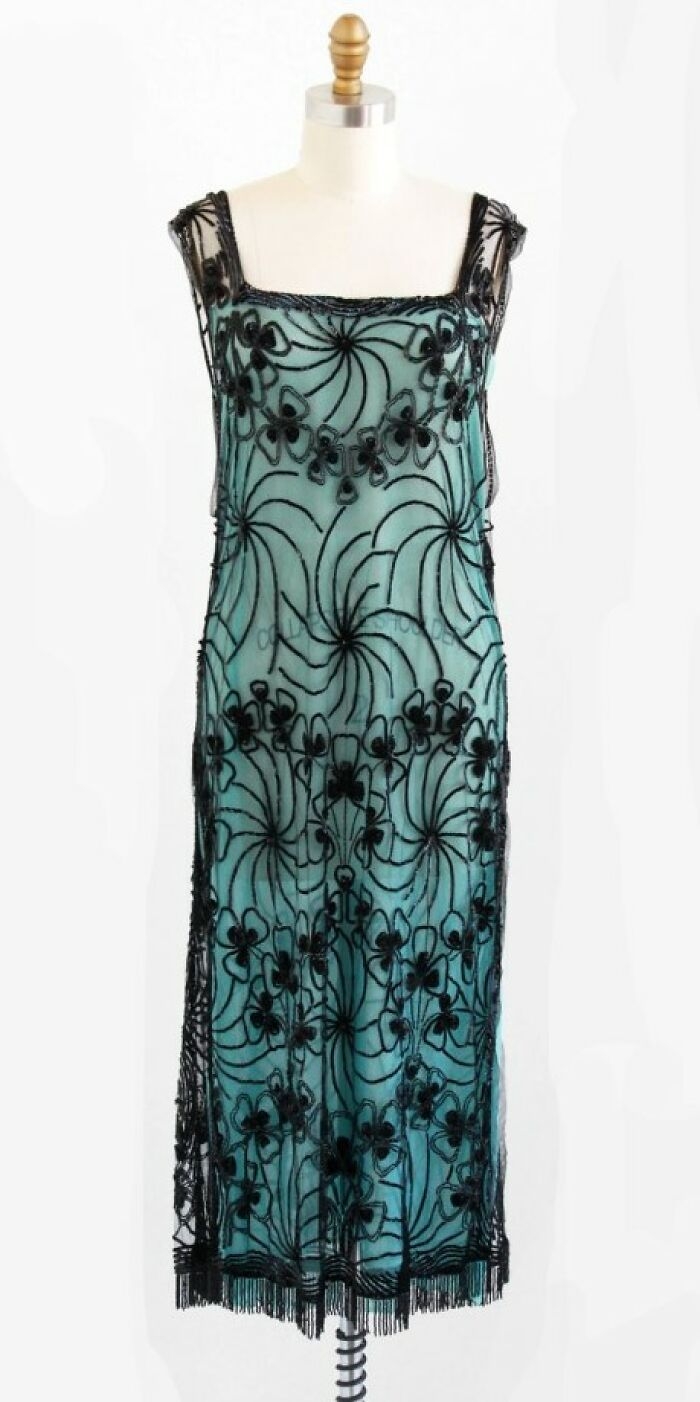 Image source: Treasure Trove of Vintage Pleasures
This is an over dress and is missing the underdress, which was probably the same color of the minty aqua lining.
It's a bit hard to see but the back sequin part is all one piece. It's then been attached to the colored lining.
It is possible that the sheer black over-dress was sold alone with no under dress at all. The lady bought the black over dress and then decided to have it worn with a minty aqua underdress.
Image source: Treasure Trove of Vintage Pleasures
This is an over dress and is missing the underdress, which was probably the same color of the minty aqua lining.
It's a bit hard to see but the back sequin part is all one piece. It's then been attached to the colored lining.
It is possible that the sheer black over-dress was sold alone with no under dress at all. The lady bought the black over dress and then decided to have it worn with a minty aqua underdress.
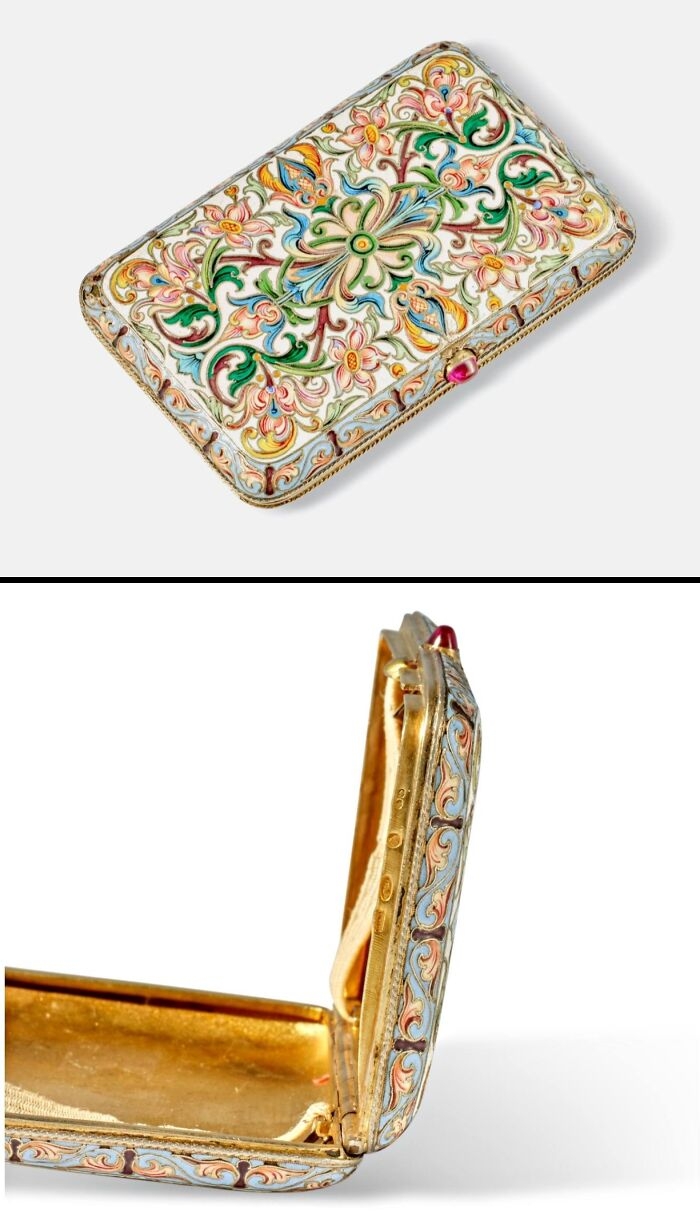 Image source: Treasure Trove of Vintage Pleasures
The surface is enamelled throughout with scrolling foliage and flowers in shaded pink, blue green, yellow, and translucent green over an opaque white ground, within powder blue borders similarly enamelled in a conforming style, with a cabochon ruby push-piece, struck with workmaster's initials, 88 standard
width 10.5cm; 4 1/8 in.
Image source: Treasure Trove of Vintage Pleasures
The surface is enamelled throughout with scrolling foliage and flowers in shaded pink, blue green, yellow, and translucent green over an opaque white ground, within powder blue borders similarly enamelled in a conforming style, with a cabochon ruby push-piece, struck with workmaster's initials, 88 standard
width 10.5cm; 4 1/8 in.
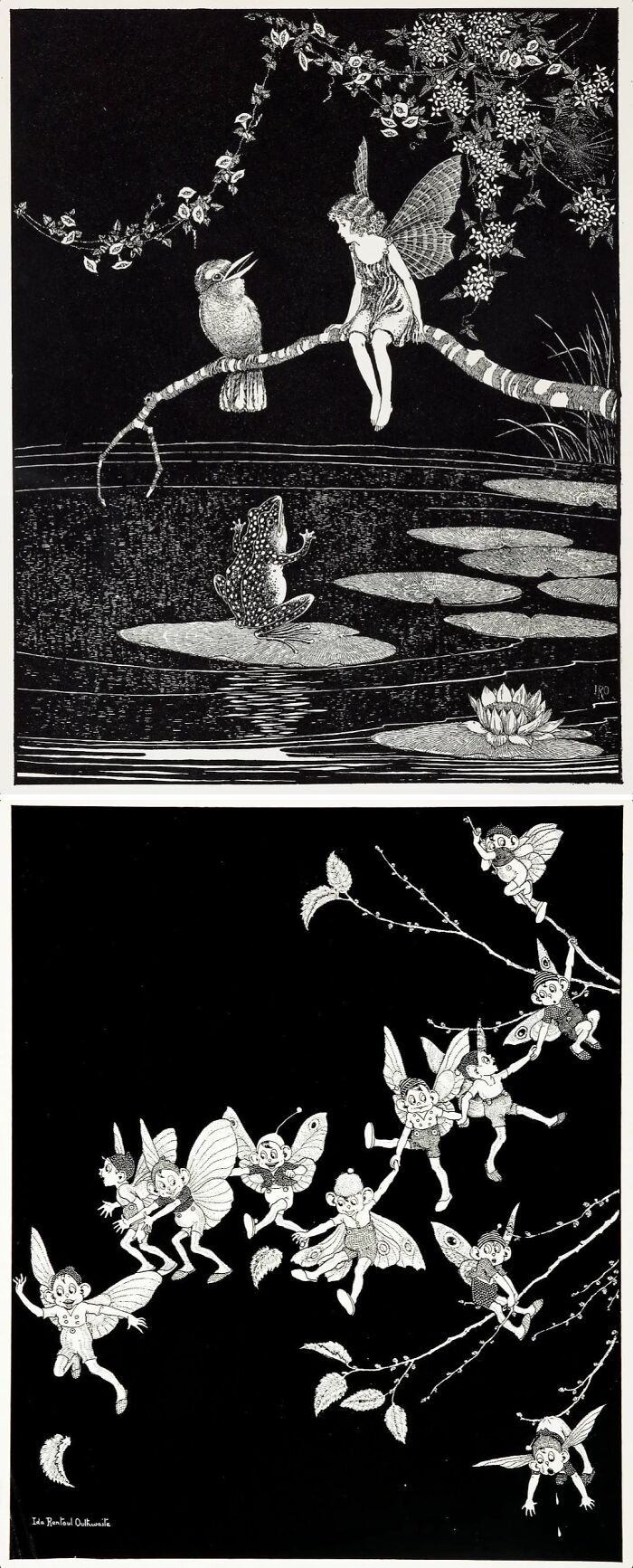 Image source: Treasure Trove of Vintage Pleasures
Outhwaite worked predominantly with pen and ink, and watercolour. Her first illustration was published by New Idea magazine in 1903 when she was just 15 years of age – it accompanied a story written by her older sister, Annie Rattray Rentoul. In the years that followed, the sisters collaborated on a number of stories.
Following her marriage, she also collaborated with her husband – most notably for The Enchanted Forest (1921), The Little Fairy Sister (1923) and Fairyland (1926). In a number of cases, her children – Robert, Anne, Wendy and William – served as models for her illustrations.This was the period during which she did her best work, particularly Elves and Fairies (1916), a glorious art book with color plates as well as black-and-white.
Image source: Treasure Trove of Vintage Pleasures
Outhwaite worked predominantly with pen and ink, and watercolour. Her first illustration was published by New Idea magazine in 1903 when she was just 15 years of age – it accompanied a story written by her older sister, Annie Rattray Rentoul. In the years that followed, the sisters collaborated on a number of stories.
Following her marriage, she also collaborated with her husband – most notably for The Enchanted Forest (1921), The Little Fairy Sister (1923) and Fairyland (1926). In a number of cases, her children – Robert, Anne, Wendy and William – served as models for her illustrations.This was the period during which she did her best work, particularly Elves and Fairies (1916), a glorious art book with color plates as well as black-and-white.
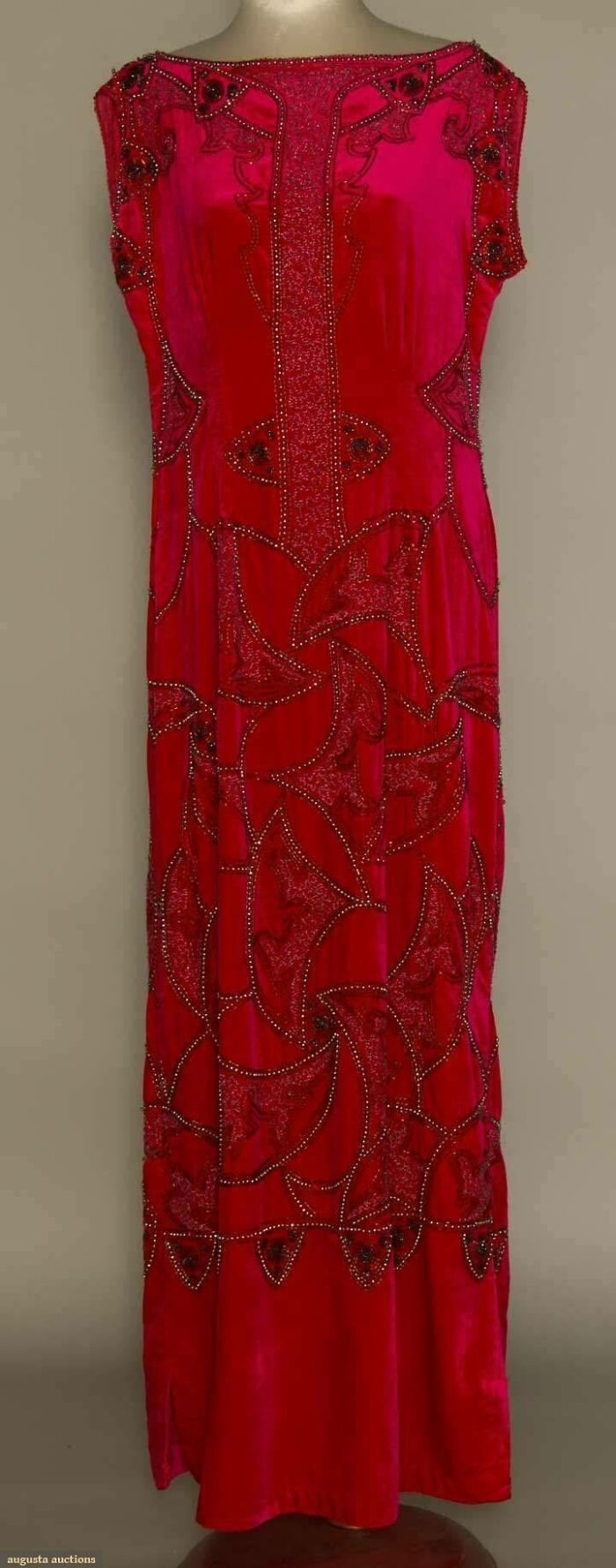 Image source: Treasure Trove of Vintage Pleasures
Vibrant fuchsia long column, beaded all over with stylized fan shapes in black & silver glass beads & silver balls, label "House of Adair Paris New York London".
Image source: Treasure Trove of Vintage Pleasures
Vibrant fuchsia long column, beaded all over with stylized fan shapes in black & silver glass beads & silver balls, label "House of Adair Paris New York London".
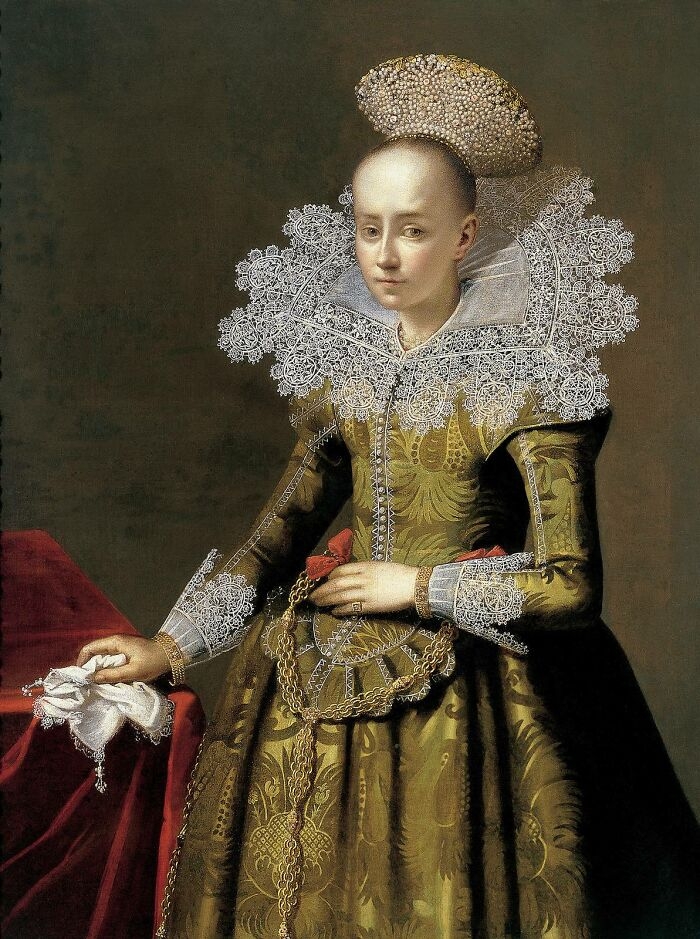 Image source: Treasure Trove of Vintage Pleasures
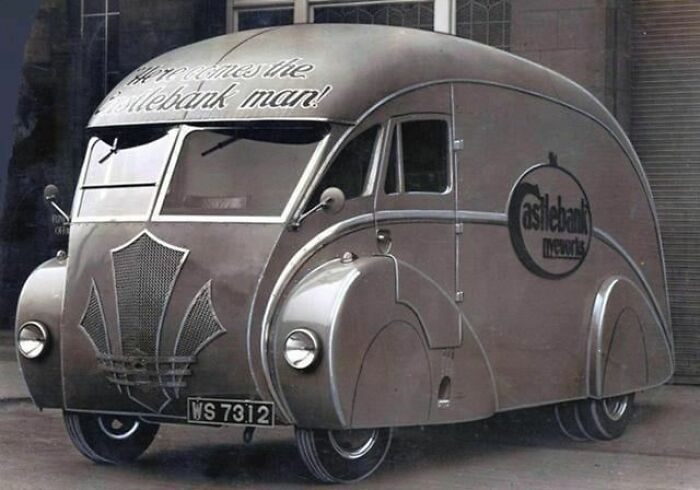 Image source: Treasure Trove of Vintage Pleasures
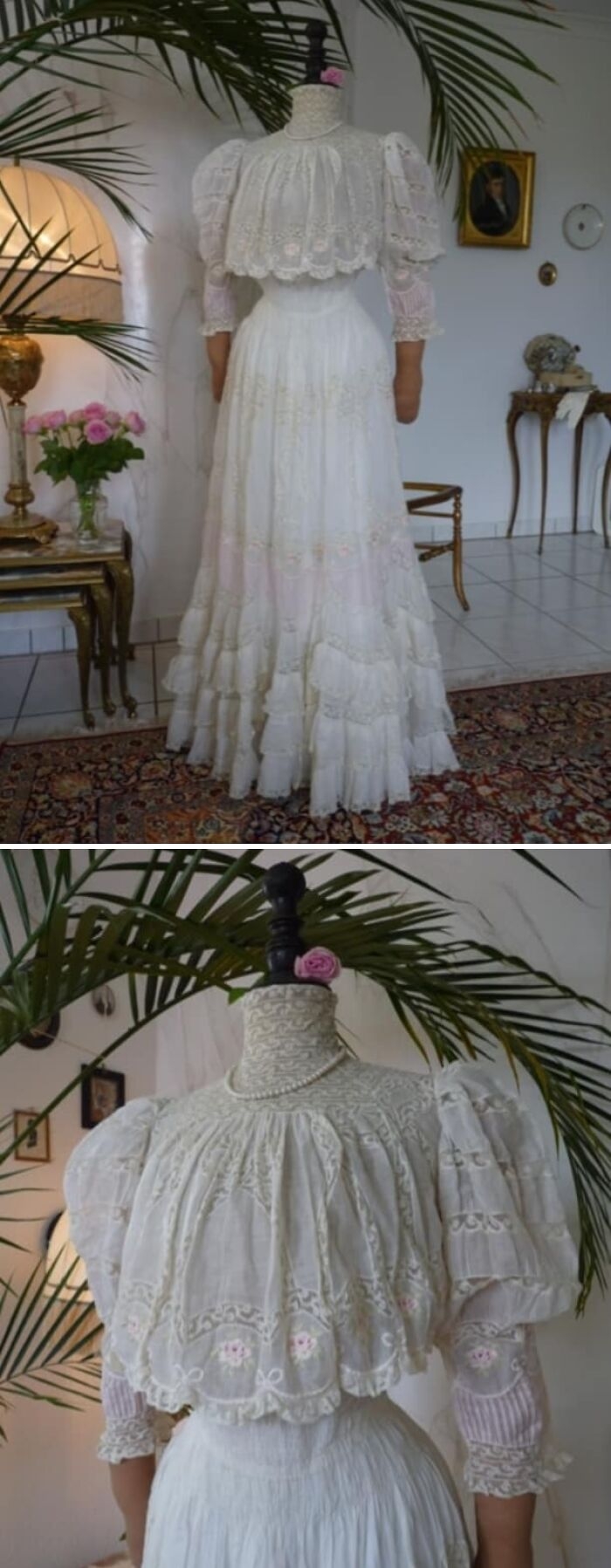 Image source: Treasure Trove of Vintage Pleasures
High neck and bands in a pattern of loops and bows. Decorated with a band of polychrome embroidered roses at lower bodice, sleeves and skirt. Sleeves and skirt have scalloped inserts of tucked pink cotton beneath embroidered bows. The lower skirt is ruffled in three bands.
Image source: Treasure Trove of Vintage Pleasures
High neck and bands in a pattern of loops and bows. Decorated with a band of polychrome embroidered roses at lower bodice, sleeves and skirt. Sleeves and skirt have scalloped inserts of tucked pink cotton beneath embroidered bows. The lower skirt is ruffled in three bands.
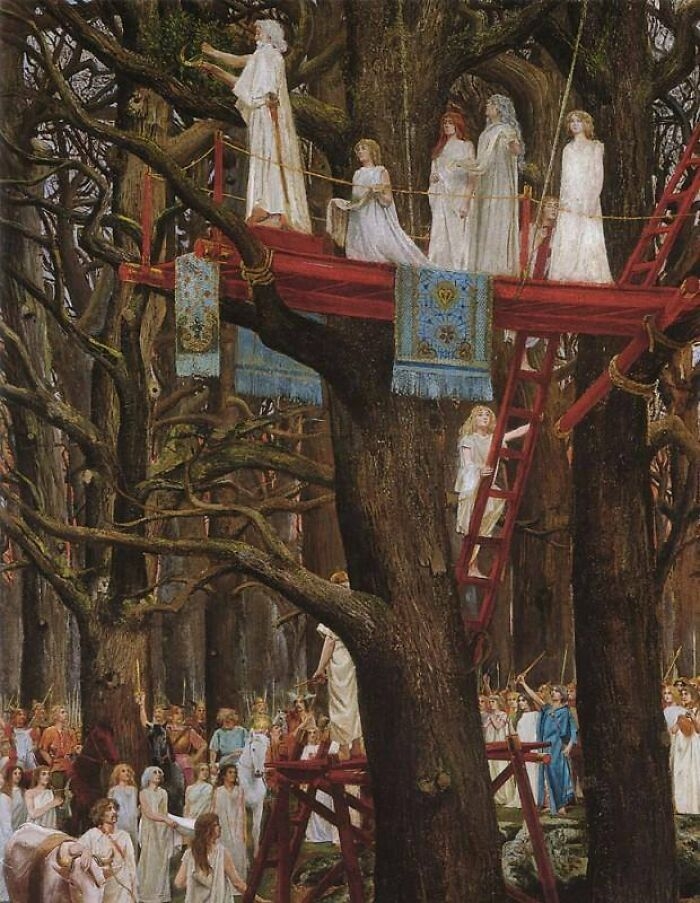 Image source: Treasure Trove of Vintage Pleasures
It depicts a Celtic religious ceremony based on a description by the Roman author Pliny the Elder.
The ritual involved white-clad druids climbing a sacred oak tree and cutting mistletoe with a golden sickle. The mistletoe was believed to have medicinal properties and was used to make an elixir to cure infertility and poison effects.
Henri-Paul Motte (1846-1922) was a French painter from Paris who specialised in historical subjects. A pupil of French painter Jean-Léon Gérôme, whose works likewise included historical paintings as well as Greek mythology and Orientalism. Motte first exhibited his paintings at the Paris Salon of 1874.
Image source: Treasure Trove of Vintage Pleasures
It depicts a Celtic religious ceremony based on a description by the Roman author Pliny the Elder.
The ritual involved white-clad druids climbing a sacred oak tree and cutting mistletoe with a golden sickle. The mistletoe was believed to have medicinal properties and was used to make an elixir to cure infertility and poison effects.
Henri-Paul Motte (1846-1922) was a French painter from Paris who specialised in historical subjects. A pupil of French painter Jean-Léon Gérôme, whose works likewise included historical paintings as well as Greek mythology and Orientalism. Motte first exhibited his paintings at the Paris Salon of 1874.
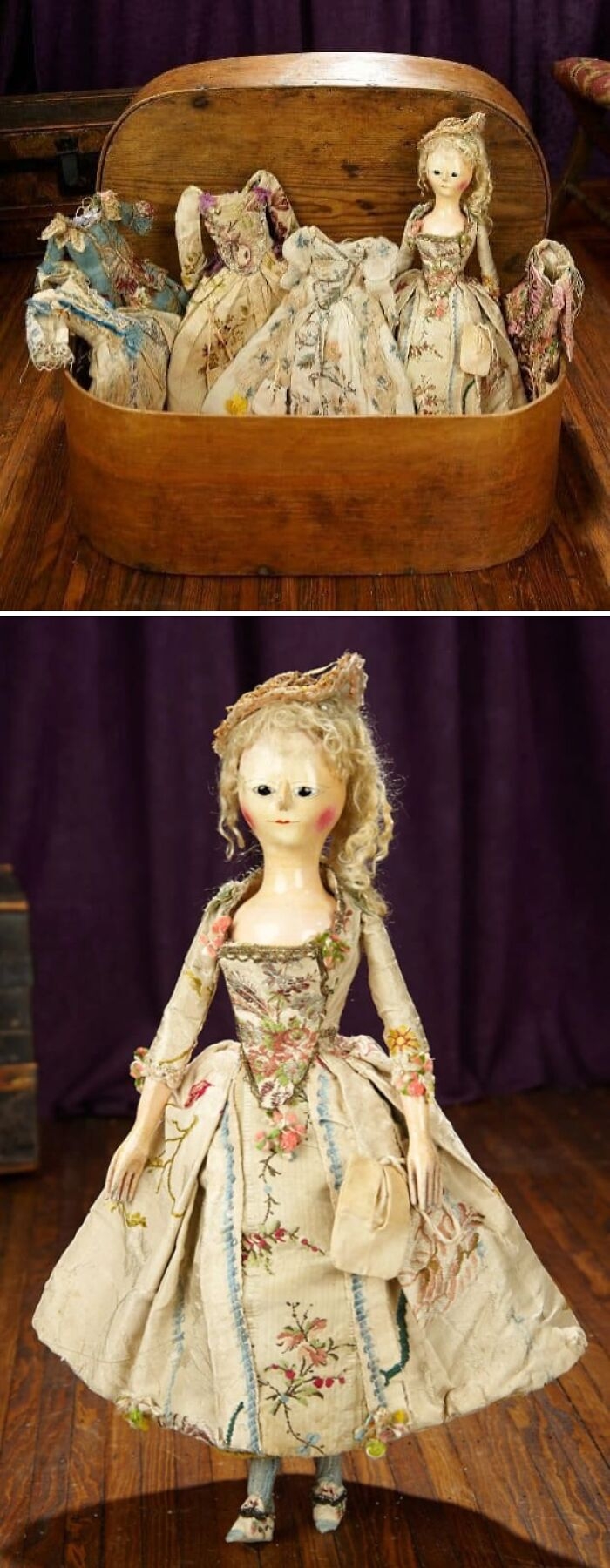 Image source: Treasure Trove of Vintage Pleasures
All carved wood with one-piece torso and egg-shaped head, elongated curved throat, shapely bosom, flat back, black enamel inset eyes, "dot" painted all-around lashes and wide brows, tiny pointy nose with accent dots, thin line lips with center detail, cheek blush spots, blonde delicate mohair wig on original linen cap, cloth upper arms, carved wooden lower arms with fork-shaped fingers, wooden legs with jointing at hips and knees. - Theriaults
Image source: Treasure Trove of Vintage Pleasures
All carved wood with one-piece torso and egg-shaped head, elongated curved throat, shapely bosom, flat back, black enamel inset eyes, "dot" painted all-around lashes and wide brows, tiny pointy nose with accent dots, thin line lips with center detail, cheek blush spots, blonde delicate mohair wig on original linen cap, cloth upper arms, carved wooden lower arms with fork-shaped fingers, wooden legs with jointing at hips and knees. - Theriaults
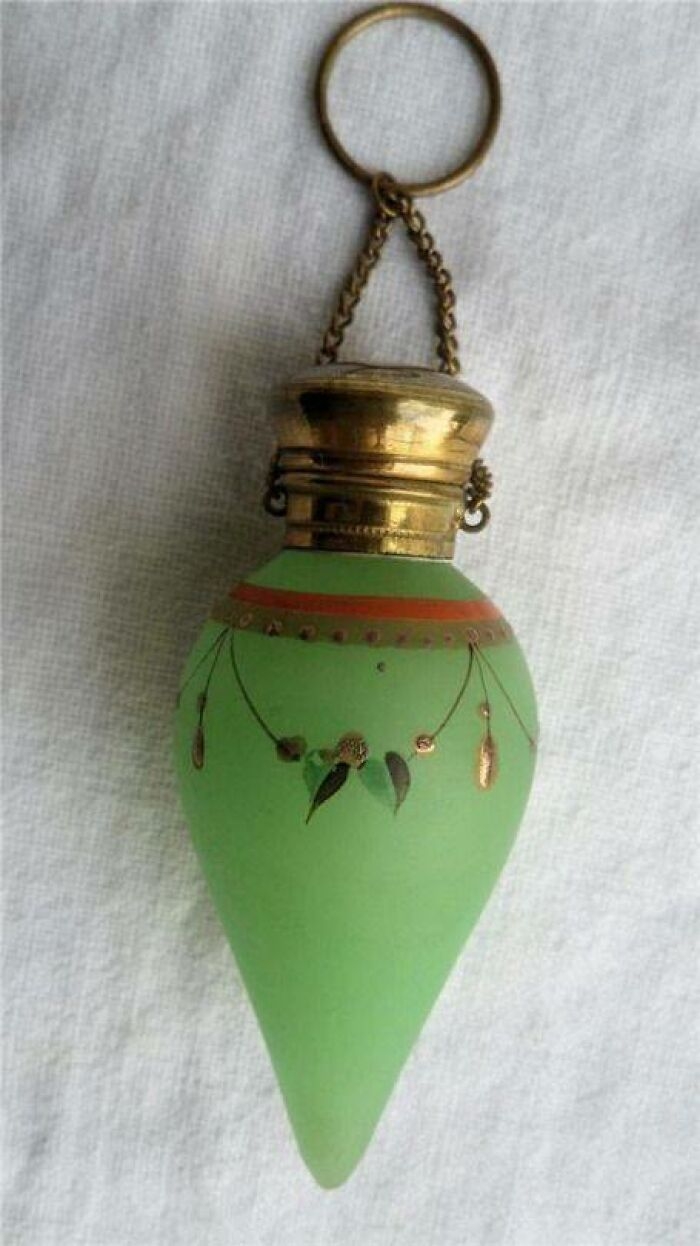 Image source: Treasure Trove of Vintage Pleasures
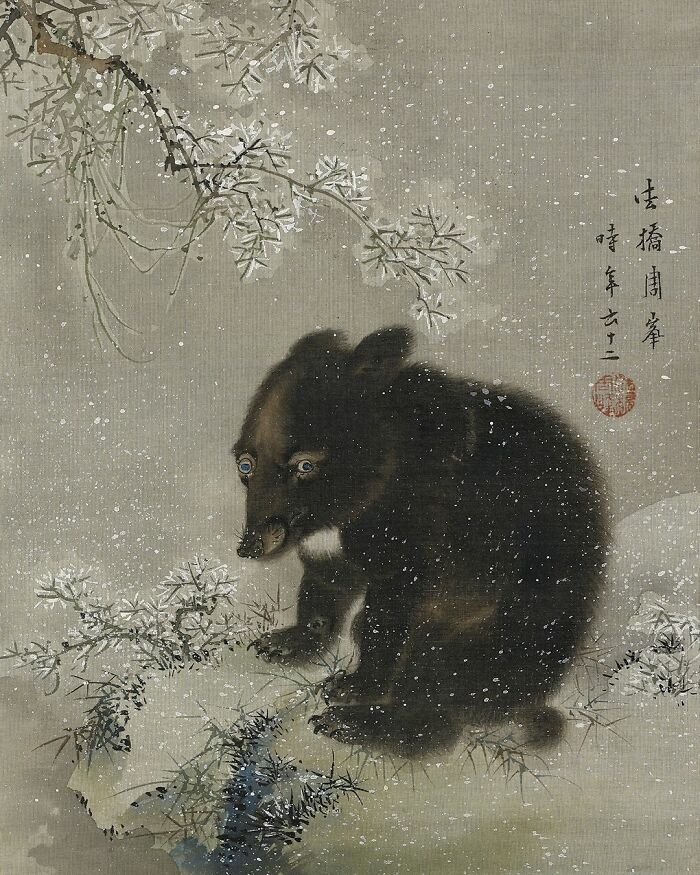 Image source: Treasure Trove of Vintage Pleasures
Painted by Japanese artist Mori Shūhō, this small bear looks directly out at the viewer while it sits uneasily on a ledge amid the snowflakes. Shūhō was a member of the Mori School of artists who specialised in lifelike depictions of animals.
He was the elder brother of Sosen (1747–1821), the famous painter of monkeys. Though less well regarded than his brother, Shūhō was a respected and prolific artist in his hometown of Osaka.
Shūhō often wrote his age after his signature, as done here, making it possible to chart his career quite closely. He painted this work when he was sixty-two.
Image source: Treasure Trove of Vintage Pleasures
Painted by Japanese artist Mori Shūhō, this small bear looks directly out at the viewer while it sits uneasily on a ledge amid the snowflakes. Shūhō was a member of the Mori School of artists who specialised in lifelike depictions of animals.
He was the elder brother of Sosen (1747–1821), the famous painter of monkeys. Though less well regarded than his brother, Shūhō was a respected and prolific artist in his hometown of Osaka.
Shūhō often wrote his age after his signature, as done here, making it possible to chart his career quite closely. He painted this work when he was sixty-two.
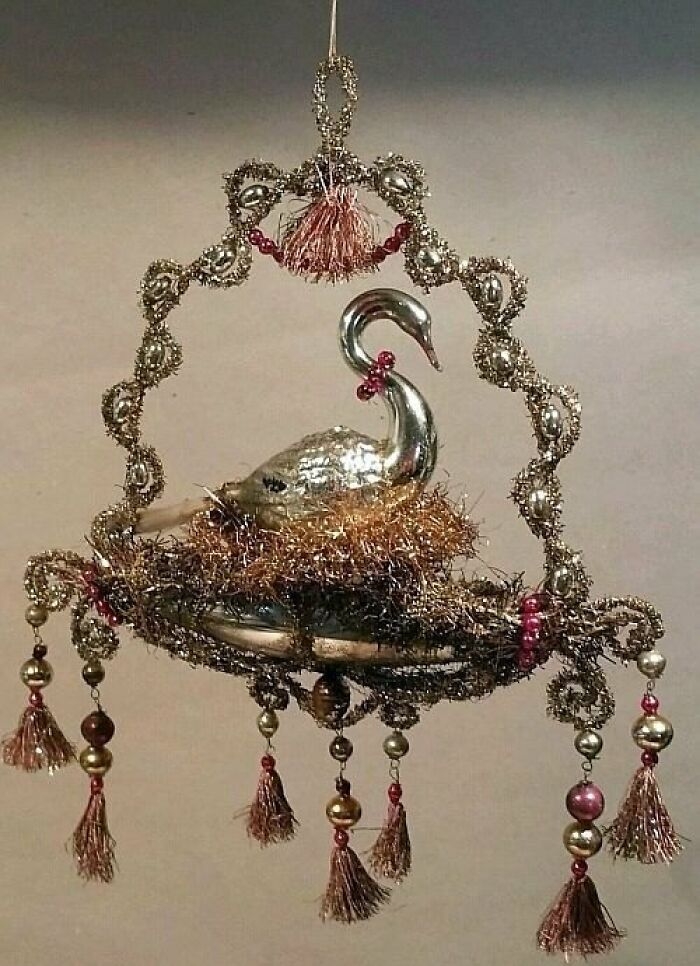 Image source: Treasure Trove of Vintage Pleasures
Czech Gablonz" refers to Jablonec nad Nisou, a city in the Czech Republic that is the historical center of the Bohemian glassmaking industry. The term is also used to describe Gablonz-style glass products, especially antique Christmas ornaments, beads, and imitation jewelry, which are known for their fine craftsmanship and beadwork.
The area has a long history of glass production, dating back to the 8th or 9th century. German settlers established glass factories there around 1550, and the city became a major global supplier of glass beads and other products by the 19th and 20th centuries.
Image source: Treasure Trove of Vintage Pleasures
Czech Gablonz" refers to Jablonec nad Nisou, a city in the Czech Republic that is the historical center of the Bohemian glassmaking industry. The term is also used to describe Gablonz-style glass products, especially antique Christmas ornaments, beads, and imitation jewelry, which are known for their fine craftsmanship and beadwork.
The area has a long history of glass production, dating back to the 8th or 9th century. German settlers established glass factories there around 1550, and the city became a major global supplier of glass beads and other products by the 19th and 20th centuries.
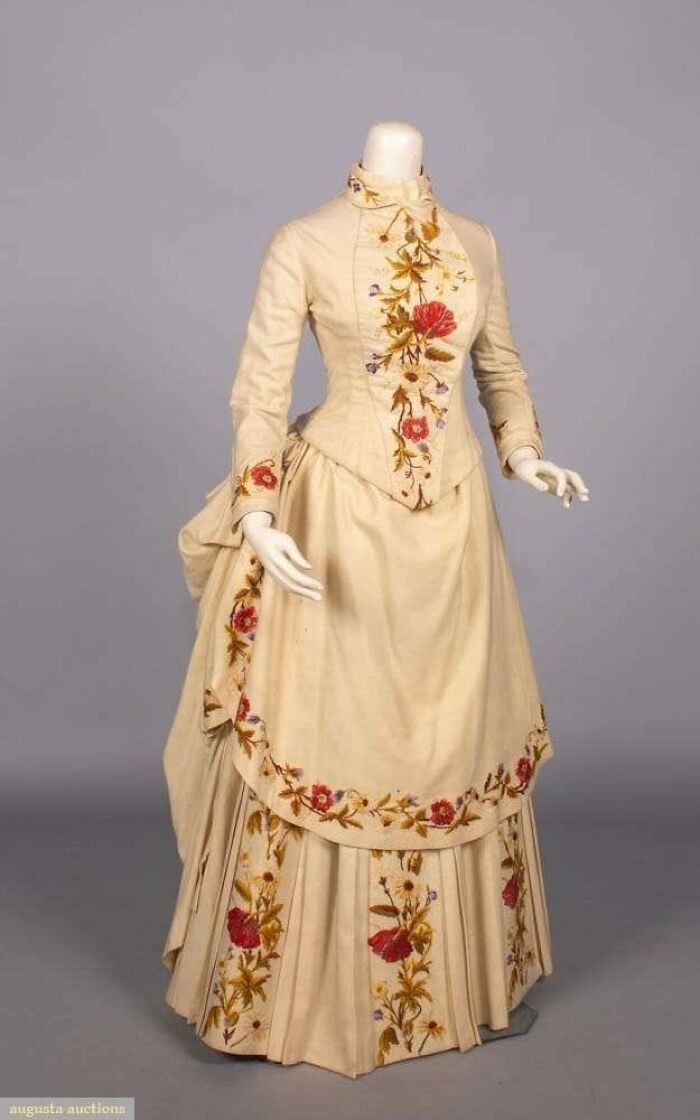 Image source: Treasure Trove of Vintage Pleasures
2-pc cream twill wool flannel day dress hand embroidered with satin stitch floral motifs in wool & silk to convertible collar, center front & back of fitted bodice, cuffs, front of integrated apron overskirt & in vertical bands at skirt front, bodice. -Augusta Auctions
Image source: Treasure Trove of Vintage Pleasures
2-pc cream twill wool flannel day dress hand embroidered with satin stitch floral motifs in wool & silk to convertible collar, center front & back of fitted bodice, cuffs, front of integrated apron overskirt & in vertical bands at skirt front, bodice. -Augusta Auctions
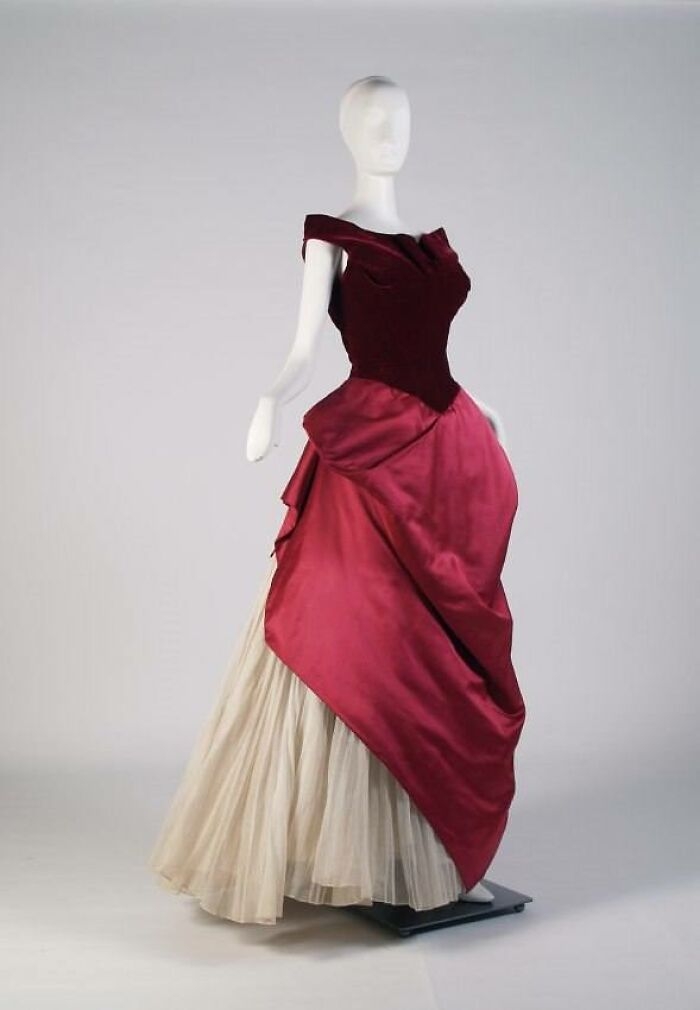 Image source: Treasure Trove of Vintage Pleasures
Ruby red silk velvet, garnet Catoir silk satin, white organdy. Draped, fitted & boned bodice of velvet, asymmetrical satin polonaise drape, pleated silk organdy underskirt. Silk faille facings.
-KSU Museum
The Catoir Silk Company was an American textile company founded in New York in 1889 and operated until it closed in 1989. The company had a major silk mill in Allentown, Pennsylvania, which was part of the region's larger silk industry. The mill's closure in 1989 marked the end of its century-long history.
Image source: Treasure Trove of Vintage Pleasures
Ruby red silk velvet, garnet Catoir silk satin, white organdy. Draped, fitted & boned bodice of velvet, asymmetrical satin polonaise drape, pleated silk organdy underskirt. Silk faille facings.
-KSU Museum
The Catoir Silk Company was an American textile company founded in New York in 1889 and operated until it closed in 1989. The company had a major silk mill in Allentown, Pennsylvania, which was part of the region's larger silk industry. The mill's closure in 1989 marked the end of its century-long history.
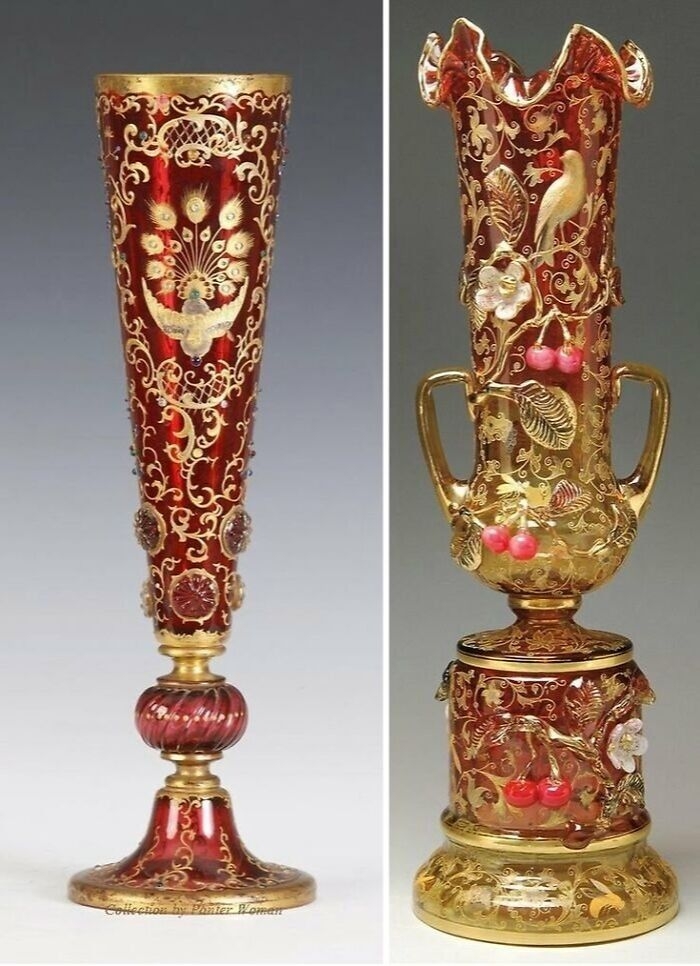 Image source: Treasure Trove of Vintage Pleasures
The vase on the left includes a stylized peacock motif, while the one on the right features a bird and cherry design.
Image source: Treasure Trove of Vintage Pleasures
The vase on the left includes a stylized peacock motif, while the one on the right features a bird and cherry design.
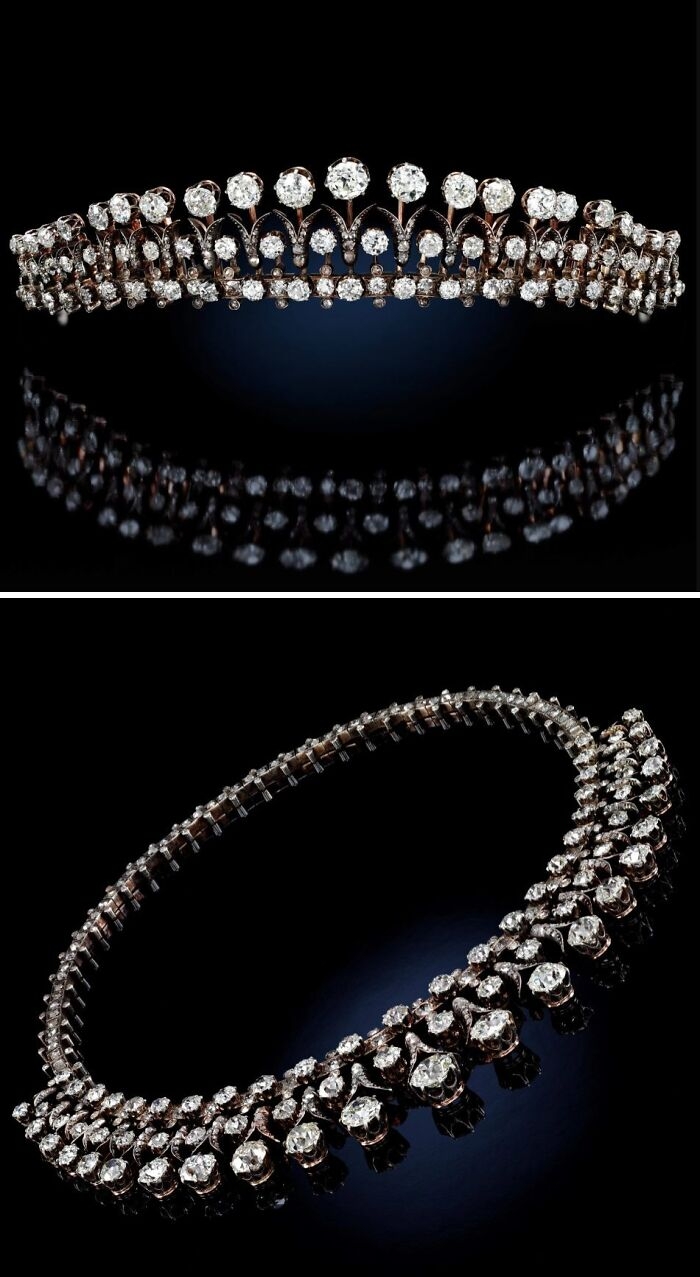 Image source: Treasure Trove of Vintage Pleasures
Designed as a relatively short compact fringe, the slightly tapered form composed of 23 knife-edge bars each applied with a curved V-shape diamond-set motif and surmounted by an old-cut diamond in claw setting and interspersed with shorter bars topped with graduated old cut diamonds. All are set above a base row of diamonds with alternate stones embellished above and below with a bezel set rose-cut diamond. All diamonds set within the frame in silver and gold. The tiara converts into a necklace whose back chain is fully set with rose-cut diamonds and adjusts in length to be worn as a bracelet, with French assay marks, inner length of tiara approximately 340mm, length of backchain approximately 200mm.
Total weight approximately 32cts
Comprising:
376 x old-cut and rose-cut diamonds estimated to weigh an approximate total of 32cts
Largest central old cut diamond estimated to weigh approx. 1.6ct.
Image source: Treasure Trove of Vintage Pleasures
Designed as a relatively short compact fringe, the slightly tapered form composed of 23 knife-edge bars each applied with a curved V-shape diamond-set motif and surmounted by an old-cut diamond in claw setting and interspersed with shorter bars topped with graduated old cut diamonds. All are set above a base row of diamonds with alternate stones embellished above and below with a bezel set rose-cut diamond. All diamonds set within the frame in silver and gold. The tiara converts into a necklace whose back chain is fully set with rose-cut diamonds and adjusts in length to be worn as a bracelet, with French assay marks, inner length of tiara approximately 340mm, length of backchain approximately 200mm.
Total weight approximately 32cts
Comprising:
376 x old-cut and rose-cut diamonds estimated to weigh an approximate total of 32cts
Largest central old cut diamond estimated to weigh approx. 1.6ct.
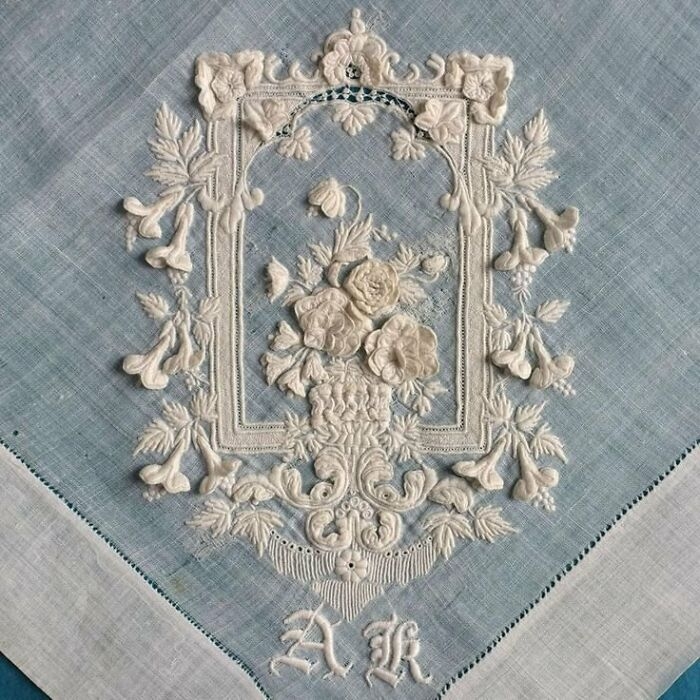 Image source: Treasure Trove of Vintage Pleasures
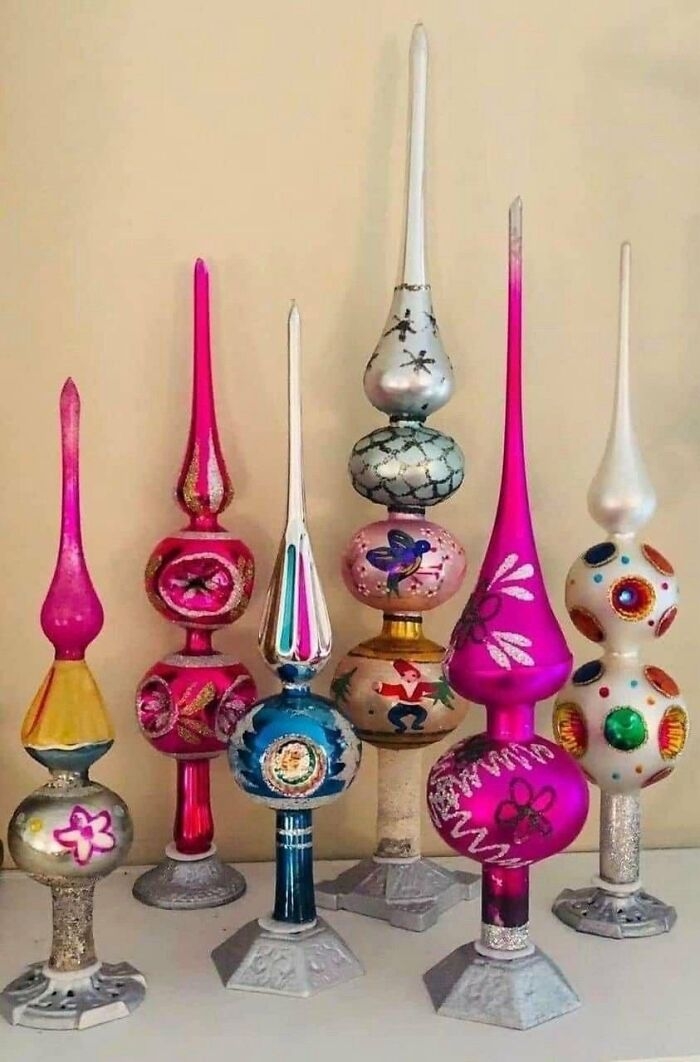 Image source: Treasure Trove of Vintage Pleasures
They hark back to a classic style popular in the mid-20th century. The ornaments are made from glass and feature various colors and decorative patterns.
The style, featuring a spindle or ball and spire shape, is a traditional European design, with glass ornaments tracing their origins to Lauscha in 1847. These fragile items are often passed down as heirlooms through generations.
Image source: Treasure Trove of Vintage Pleasures
They hark back to a classic style popular in the mid-20th century. The ornaments are made from glass and feature various colors and decorative patterns.
The style, featuring a spindle or ball and spire shape, is a traditional European design, with glass ornaments tracing their origins to Lauscha in 1847. These fragile items are often passed down as heirlooms through generations.
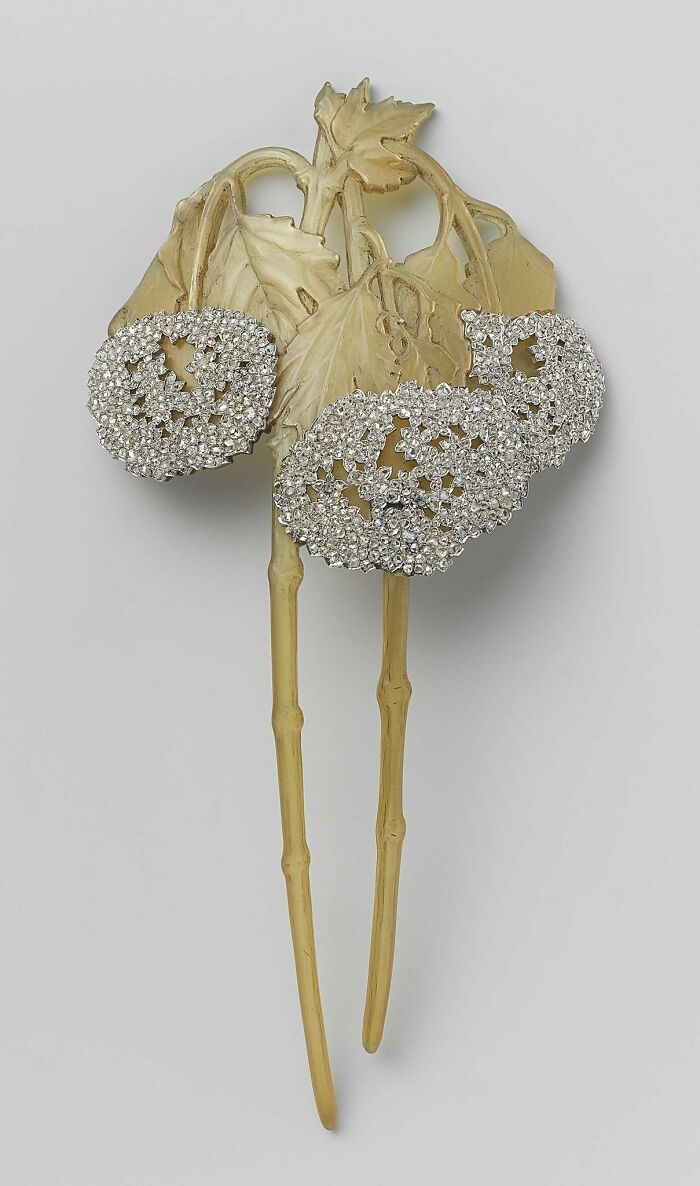 Image source: Treasure Trove of Vintage Pleasures
Hair comb of horn, gold and diamonds. The crest is inspired by Japanese models and is shaped like two branches of a shrub with flowers (Viburnum opulus roseum 'snowball').
-Haarkam in de vorm van twee takken Viburnum - Rijksmuseum, Netherlands
Image source: Treasure Trove of Vintage Pleasures
Hair comb of horn, gold and diamonds. The crest is inspired by Japanese models and is shaped like two branches of a shrub with flowers (Viburnum opulus roseum 'snowball').
-Haarkam in de vorm van twee takken Viburnum - Rijksmuseum, Netherlands
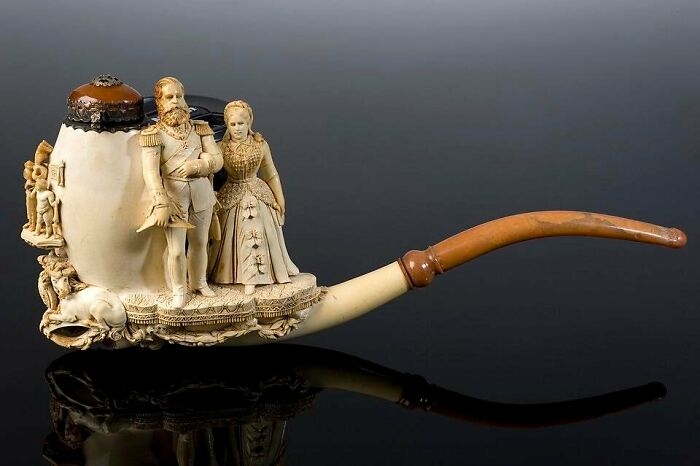 Image source: Treasure Trove of Vintage Pleasures
#1 An Amazing Beaded Ball Gown Worn By Queen Alexandra. Created By Henriette Favre, A French Designer, In 1906
Image source: Treasure Trove of Vintage Pleasures
#2 Sapphire Blue Patterned Silk Day Dress - Mid 1850s
Image source: Treasure Trove of Vintage Pleasures
#3 "Sunset Over The Winter Forest" - German Artist Heinrich Gogarten, CA.1881
Image source: Treasure Trove of Vintage Pleasures
Heinrich Gogarten (1850-1911) was a 19th-century landscape painter known for his mastery of winter scenes. He was born in Linz am Rhein. He studied at the Dusseldorf Art Academy under the renowned painter Oswald Achenbach. Most of his works are in private hands.
#4 Late 19th Century Walking Stick, CA.1896
Image source: Treasure Trove of Vintage Pleasures
The ivory handle is carved as two rats or mice eating cheese, foliate engraved silver collar hallmarked Birmingham 1896, ebonised haft, metal ferrule.
#5 Tsuguharu Foujita, Couturier Cat, 1927
Image source: Treasure Trove of Vintage Pleasures
#6 Dress, CA.1870. Possibly Made In North Dakota, United States. Culture: Lakota/ Teton Sioux, Native American. Tanned Leather And Glass Beads
Image source: Treasure Trove of Vintage Pleasures
#7 The "Poseidon" Vase Created By René Lalique Around 1910
Image source: Treasure Trove of Vintage Pleasures
#8 Art Deco Blue Glass Perfume Bottle, Originally Designed In The 1920's - René Lalique
Image source: Treasure Trove of Vintage Pleasures
The bottle has a stacked, "brutalist" ice-like or cut-glass appearance and a brass-toned stopper.
#9 A Jeweled Bouquet Holder, Also Known As A Tussie-Mussie, A Historical Accessory Used To Hold A Small Bouquet Of Flowers
Image source: Treasure Trove of Vintage Pleasures
This specific piece was a gift to Queen Victoria from the French Empress Eugénie during a state visit to France in August 1855.
The holder is elaborately decorated with diamonds, rubies, and pearls. It features intricate gold and silver openwork, with a central section adorned with light blue enamel in a Celtic knot pattern.
-Royal Collection Trust
#10 Turtle Figure - India, Mughal, Allahabad - Early 17th Century. Nephrite Jade
Image source: Treasure Trove of Vintage Pleasures
#11 Tiffany Studios "Peacock" Paperweight Vase, CA.1914
Image source: Treasure Trove of Vintage Pleasures
#12 Lune De Miel Perfume By Depinoix, Circa 1926, In Opaque Turquoise Glass With Silver Gilt Detail And Label. Private Collection
Image source: Treasure Trove of Vintage Pleasures
#13 Hummingbird Egret Convertible Into Pin - Joseph Chaumet, CA.1880
Image source: Treasure Trove of Vintage Pleasures
#14 In The Mid-1810s The Carrick Coat, A Cape-Like Duster That Featured Three To Five Feathered Layers Of Capelets That Covered The Shoulders, Was Introduced And Became Widely Popular As A “Bad Weather” Coat
Image source: Treasure Trove of Vintage Pleasures
#15 Art Nouveau Pearl, Gold And Enamel Ring - René Lalique, CA.1900
Image source: Treasure Trove of Vintage Pleasures
Centering a button-shaped pearl, between leaves applied with green enamel.
#16 A Striking Minty Aqua Evening Gown
Image source: Treasure Trove of Vintage Pleasures
This is an over dress and is missing the underdress, which was probably the same color of the minty aqua lining.
It's a bit hard to see but the back sequin part is all one piece. It's then been attached to the colored lining.
It is possible that the sheer black over-dress was sold alone with no under dress at all. The lady bought the black over dress and then decided to have it worn with a minty aqua underdress.
#17 Silver-Gilt And Cloisonné Enamel Cigarette Case, Rückert, Moscow, Circa 1890
Image source: Treasure Trove of Vintage Pleasures
The surface is enamelled throughout with scrolling foliage and flowers in shaded pink, blue green, yellow, and translucent green over an opaque white ground, within powder blue borders similarly enamelled in a conforming style, with a cabochon ruby push-piece, struck with workmaster's initials, 88 standard
width 10.5cm; 4 1/8 in.
#18 Ida Rentoul Outhwaite, Also Known As Ida Sherbourne Rentoul And Ida Sherbourne Outhwaite (1888-1960), Was An Australian Illustrator Of Children's Books. Her Work Mostly Depicted Magical Creatures, Such As Elves And Fairies
Image source: Treasure Trove of Vintage Pleasures
Outhwaite worked predominantly with pen and ink, and watercolour. Her first illustration was published by New Idea magazine in 1903 when she was just 15 years of age – it accompanied a story written by her older sister, Annie Rattray Rentoul. In the years that followed, the sisters collaborated on a number of stories.
Following her marriage, she also collaborated with her husband – most notably for The Enchanted Forest (1921), The Little Fairy Sister (1923) and Fairyland (1926). In a number of cases, her children – Robert, Anne, Wendy and William – served as models for her illustrations.This was the period during which she did her best work, particularly Elves and Fairies (1916), a glorious art book with color plates as well as black-and-white.
#19 Beaded Velvet Evening Dress - Adair, France, CA.1920
Image source: Treasure Trove of Vintage Pleasures
Vibrant fuchsia long column, beaded all over with stylized fan shapes in black & silver glass beads & silver balls, label "House of Adair Paris New York London".
#20 Details - Portrait Of A Young Woman From A Gdańsk Patrician Family - Around 1625-35. Artist Unknown
Image source: Treasure Trove of Vintage Pleasures
#21 Delivery Van By Holland Coachcraft Of Govan, Scotland, CA.1930's
Image source: Treasure Trove of Vintage Pleasures
#22 White Cotton Lawn Tea Gown Or Afternoon Dress With Valenciennes Lace From The End Of The 19th Century
Image source: Treasure Trove of Vintage Pleasures
High neck and bands in a pattern of loops and bows. Decorated with a band of polychrome embroidered roses at lower bodice, sleeves and skirt. Sleeves and skirt have scalloped inserts of tucked pink cotton beneath embroidered bows. The lower skirt is ruffled in three bands.
#23 "Druids Cutting The Mistletoe On The Sixth Day Of The Moon" - French Artist Henri-Paul Motte, Around 1900
Image source: Treasure Trove of Vintage Pleasures
It depicts a Celtic religious ceremony based on a description by the Roman author Pliny the Elder.
The ritual involved white-clad druids climbing a sacred oak tree and cutting mistletoe with a golden sickle. The mistletoe was believed to have medicinal properties and was used to make an elixir to cure infertility and poison effects.
Henri-Paul Motte (1846-1922) was a French painter from Paris who specialised in historical subjects. A pupil of French painter Jean-Léon Gérôme, whose works likewise included historical paintings as well as Greek mythology and Orientalism. Motte first exhibited his paintings at the Paris Salon of 1874.
#24 Wooden Doll With Trousseau - English, CA.1770
Image source: Treasure Trove of Vintage Pleasures
All carved wood with one-piece torso and egg-shaped head, elongated curved throat, shapely bosom, flat back, black enamel inset eyes, "dot" painted all-around lashes and wide brows, tiny pointy nose with accent dots, thin line lips with center detail, cheek blush spots, blonde delicate mohair wig on original linen cap, cloth upper arms, carved wooden lower arms with fork-shaped fingers, wooden legs with jointing at hips and knees. - Theriaults
#25 Green Opaline Glass Chatelaine Scent/Perfume Bottle - Raised Enamel, CA.1900
Image source: Treasure Trove of Vintage Pleasures
#26 Black Bear Cub, 1799, Mori Shūhō (1728–1813), Ink And Colour On Silk
Image source: Treasure Trove of Vintage Pleasures
Painted by Japanese artist Mori Shūhō, this small bear looks directly out at the viewer while it sits uneasily on a ledge amid the snowflakes. Shūhō was a member of the Mori School of artists who specialised in lifelike depictions of animals.
He was the elder brother of Sosen (1747–1821), the famous painter of monkeys. Though less well regarded than his brother, Shūhō was a respected and prolific artist in his hometown of Osaka.
Shūhō often wrote his age after his signature, as done here, making it possible to chart his career quite closely. He painted this work when he was sixty-two.
#27 Antique Czech Gablonz Swan On A Nest Christmas Tree Ornament, Likely From Around The 1900's
Image source: Treasure Trove of Vintage Pleasures
Czech Gablonz" refers to Jablonec nad Nisou, a city in the Czech Republic that is the historical center of the Bohemian glassmaking industry. The term is also used to describe Gablonz-style glass products, especially antique Christmas ornaments, beads, and imitation jewelry, which are known for their fine craftsmanship and beadwork.
The area has a long history of glass production, dating back to the 8th or 9th century. German settlers established glass factories there around 1550, and the city became a major global supplier of glass beads and other products by the 19th and 20th centuries.
#28 Hand Embroidered Winter Day Dress, CA. 1883
Image source: Treasure Trove of Vintage Pleasures
2-pc cream twill wool flannel day dress hand embroidered with satin stitch floral motifs in wool & silk to convertible collar, center front & back of fitted bodice, cuffs, front of integrated apron overskirt & in vertical bands at skirt front, bodice. -Augusta Auctions
#29 'Concert' - Charles James, CA.1949
Image source: Treasure Trove of Vintage Pleasures
Ruby red silk velvet, garnet Catoir silk satin, white organdy. Draped, fitted & boned bodice of velvet, asymmetrical satin polonaise drape, pleated silk organdy underskirt. Silk faille facings.
-KSU Museum
The Catoir Silk Company was an American textile company founded in New York in 1889 and operated until it closed in 1989. The company had a major silk mill in Allentown, Pennsylvania, which was part of the region's larger silk industry. The mill's closure in 1989 marked the end of its century-long history.
#30 Two Antique Moser Cranberry Glass Vases Featuring Intricate Gilt And Enamel Decoration
Image source: Treasure Trove of Vintage Pleasures
The vase on the left includes a stylized peacock motif, while the one on the right features a bird and cherry design.
#31 A Diamond Tiara And Necklace, 1880s
Image source: Treasure Trove of Vintage Pleasures
Designed as a relatively short compact fringe, the slightly tapered form composed of 23 knife-edge bars each applied with a curved V-shape diamond-set motif and surmounted by an old-cut diamond in claw setting and interspersed with shorter bars topped with graduated old cut diamonds. All are set above a base row of diamonds with alternate stones embellished above and below with a bezel set rose-cut diamond. All diamonds set within the frame in silver and gold. The tiara converts into a necklace whose back chain is fully set with rose-cut diamonds and adjusts in length to be worn as a bracelet, with French assay marks, inner length of tiara approximately 340mm, length of backchain approximately 200mm.
Total weight approximately 32cts
Comprising:
376 x old-cut and rose-cut diamonds estimated to weigh an approximate total of 32cts
Largest central old cut diamond estimated to weigh approx. 1.6ct.
#32 This Is A Stunning Raised Whitework Embroidered Handkerchief. It Was Made In The 19th Century In Eastern Switzerland
Image source: Treasure Trove of Vintage Pleasures
#33 Vintage Mercury Glass Christmas Tree Toppers, Also Known As Finials, Often Hand-Blown And Hand-Painted. They Were Often Sold With A Stand
Image source: Treasure Trove of Vintage Pleasures
They hark back to a classic style popular in the mid-20th century. The ornaments are made from glass and feature various colors and decorative patterns.
The style, featuring a spindle or ball and spire shape, is a traditional European design, with glass ornaments tracing their origins to Lauscha in 1847. These fragile items are often passed down as heirlooms through generations.
#34 René Lalique - Hair Comb In The Form Of Two Arms Viburnum, Paris, CA.1902-1903
Image source: Treasure Trove of Vintage Pleasures
Hair comb of horn, gold and diamonds. The crest is inspired by Japanese models and is shaped like two branches of a shrub with flowers (Viburnum opulus roseum 'snowball').
-Haarkam in de vorm van twee takken Viburnum - Rijksmuseum, Netherlands
#35 Meerschaum Pipe With Case, Bowl Carved With Figures Of Frederick (Emperor Of Germany 1888) And His Consort, 1880-1890, Austria Or England
Image source: Treasure Trove of Vintage PleasuresDE
Written by
Demilked Editorial
SaaS Review Specialist · Demilked
With 5+ years in the creator, entertainment, and publishing spaces, Demilked shortlists, reviews, and ranks leading tools that actually make your life easier.