
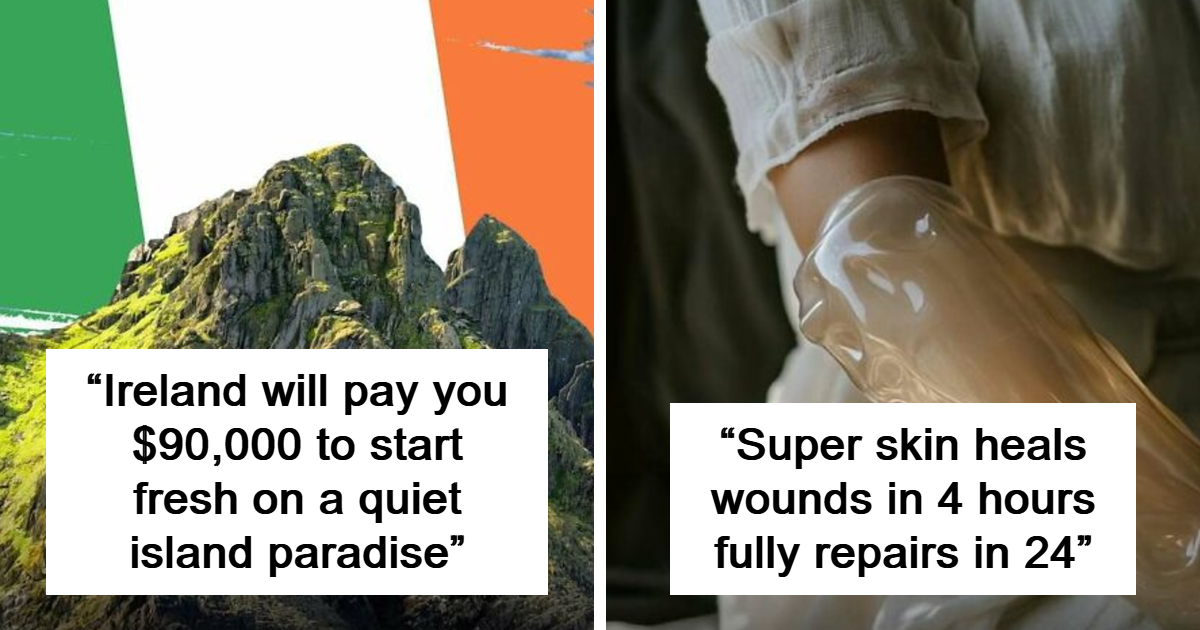
40 Wholesome Little Facts That Most People Don’t Know
In the middle of busy days and endless bad news, it is often the smallest facts that quietly restore a bit of faith in the world. This collection brings together some wholesome little facts shared by the Instagram page “Positivity Recommended”, each one offering a gentle reminder that kindness, beauty, and simple goodness still exist all around us.
From comforting truths about human nature to heartwarming details about the world we live in, these facts are easy to read, easy to remember, and surprisingly uplifting. Sometimes, a few positive reminders are all it takes to make the day feel a little lighter.
#1

Image source: positivityrecommended
In Sweden, dogs are more than pets — they’re family, and the law reflects that. 🇸🇪🐕 You’re not allowed to leave a dog alone for more than six hours, because research shows that dogs do feel time, and extended loneliness can cause real distress. Animal welfare laws in Sweden prioritize a dog’s emotional and mental health. Studies reveal that even the most well-behaved dogs can feel anxiety, stare at the door, or tremble when left too long. It’s a reminder that routine, stimulation, and love matter — even when you’re not home.
#2
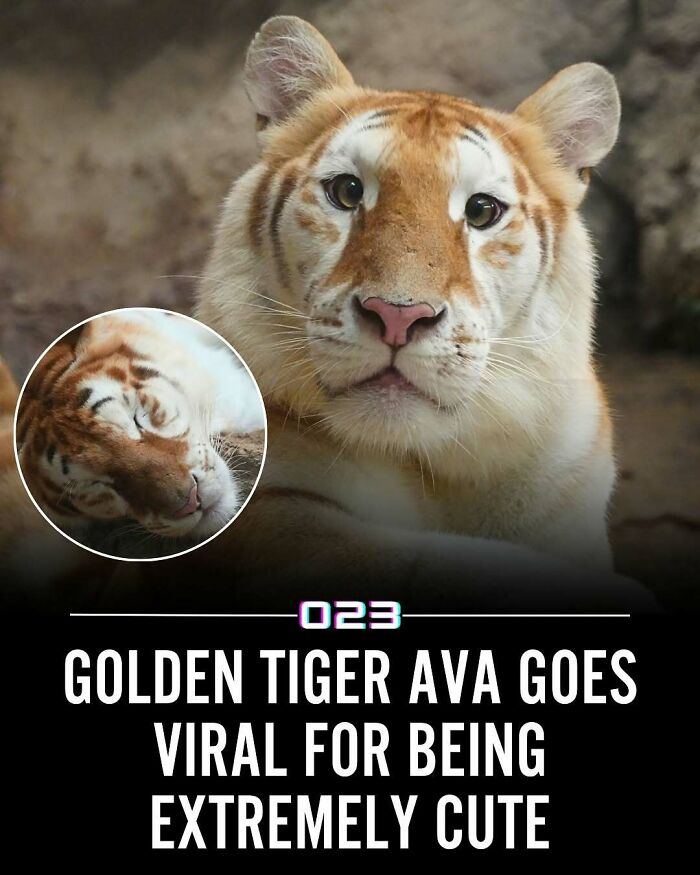
Image source: positivityrecommended
Meet Ava, the golden tabby tiger 🐅 stealing hearts worldwide. Born in 2021 at Thailand’s Chiang Mai Night Safari, she’s one of fewer than 30 golden tigers on Earth. Her rare golden coat, bright green eyes, and playful personality make her a true one-in-a-million. Ava’s rise to internet fame started when the zoo shared her photos, and the world couldn’t get enough. She and her sister Luna, born from a unique bloodline, can be seen daily at the zoo’s Tiger World zone—challenging the fierce big cat stereotype with her gentle, social nature. More than just adorable, Ava is a powerful symbol of tiger conservation. Her viral fame isn’t just about her looks—it’s a wake-up call to protect these rare beauties before they’re gone forever.
#3

Image source: positivityrecommended
Ruth Gottesman, 93, donated $1 billion to Albert Einstein College of Medicine in the Bronx—making tuition free for all students forever. Her late husband, billionaire David Gottesman, left her the money with one instruction: “Do what you think is right.” A former professor and education advocate, Ruth chose to invest in future doctors from one of NYC’s poorest areas. It’s the largest gift ever to a medical school.
#4

Image source: positivityrecommended
A Greek island is offering free accommodation to anyone willing to help care for rescued kittens, many of whom were abandoned or born to strays. Volunteers assist with feeding, socialization, and basic care while enjoying island life in return. Organizers say the program helps ease overcrowded shelters and improves adoption outcomes for the cats. It’s a win for travelers and animals alike. The bright side: kindness comes with a view — and sometimes, a purring roommate.
#5

Image source: positivityrecommended
Mexico City has officially banned bullfighting, marking a historic victory for animal rights advocates and ending a centuries-old tradition. The ruling by the Supreme Court comes after years of protests and legal battles, citing animal cruelty and shifting public opinion as major factors. The decision affects the Plaza México — the world’s largest bullfighting arena — and reflects growing momentum across Latin America to outlaw the practice. Activists hope this sets a legal and cultural precedent for the rest of the country.
#6
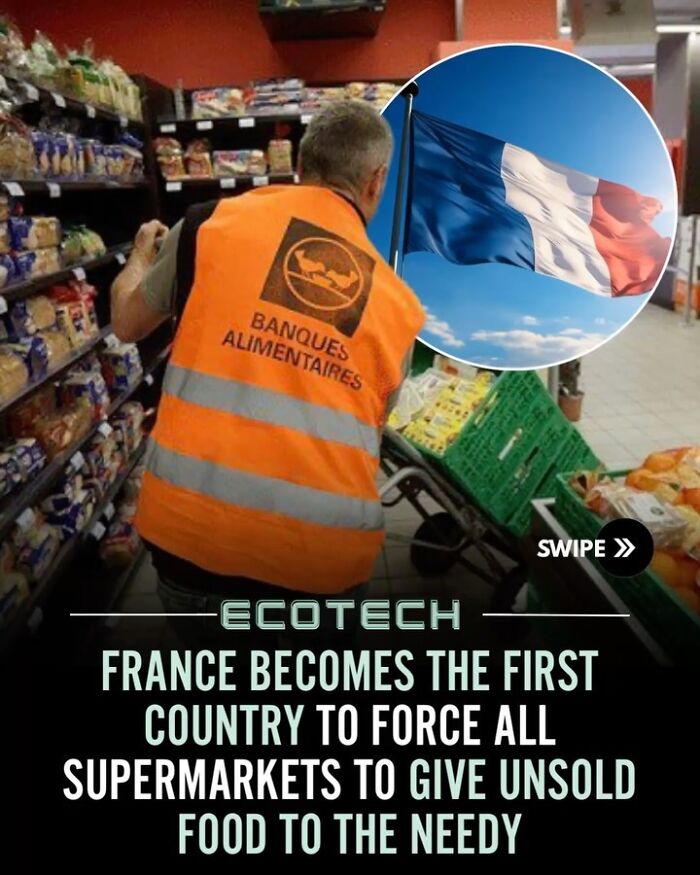
Image source: positivityrecommended
France has made history by becoming the first nation to require all supermarkets to donate unsold food instead of throwing it away. The law aims to fight food waste and hunger by redirecting an estimated 43 billion pounds of discarded food each year to charities and food banks. Violators face heavy fines, marking a major step toward a more sustainable and compassionate food system.
#7
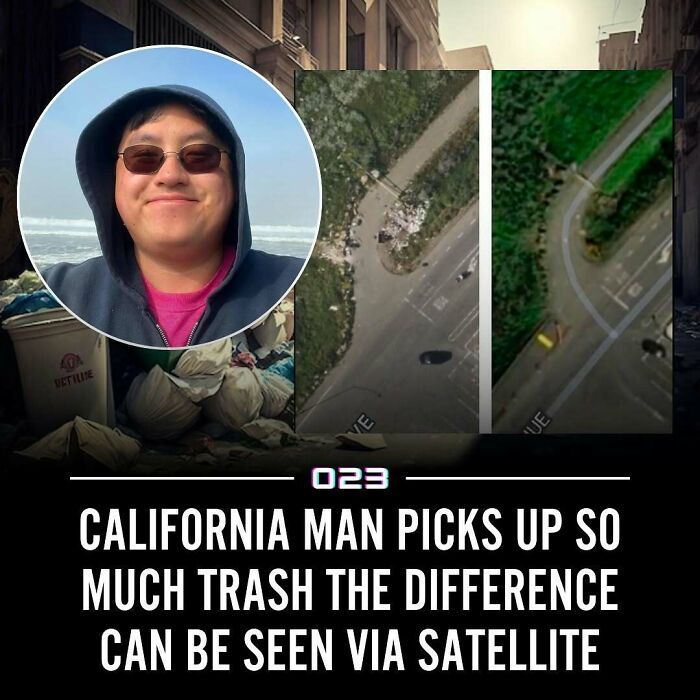
Image source: positivityrecommended
California man named Andy Wong picks up trash around the San Francisco Bay Area and his efforts have had such a large impact they can be seen via satellite imaging.
#8
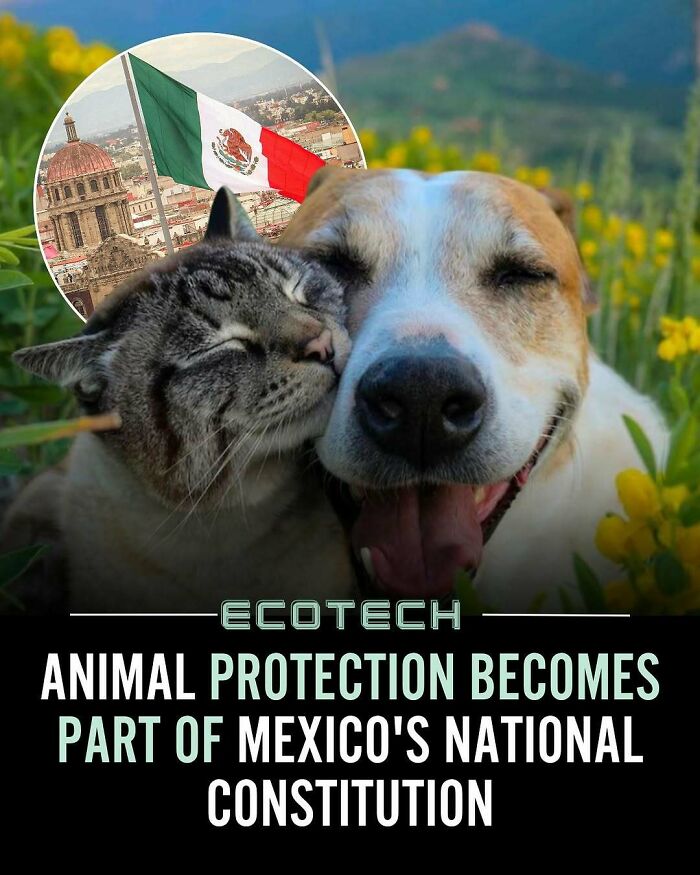
Image source: positivityrecommended
In a historic move, Mexico has officially amended its national constitution to include animal protection, recognizing animals as sentient beings deserving of care and respect. The reform mandates federal and local governments to prevent cruelty, ensure welfare, and promote conservation across the country. Advocates hail the decision as a monumental step toward stronger animal rights and environmental justice in Latin America.
#9
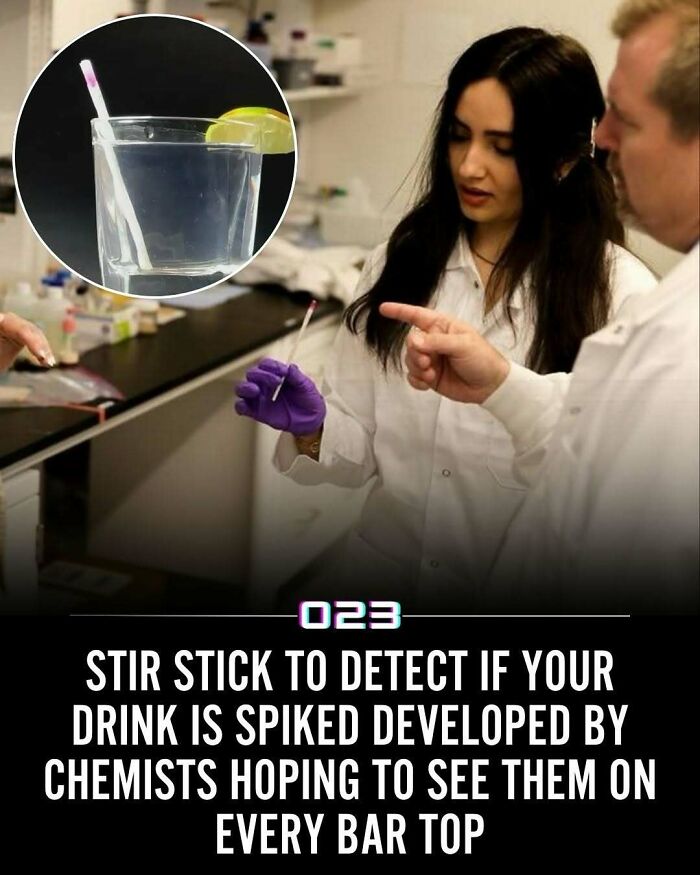
Image source: positivityrecommended
After 12 years of research, chemists at the University of British Columbia have created ‘Spikeless,’ a discreet stir stick that changes color upon detecting common date-attack drugs like GHB and ketamine in beverages. The device aims to enhance safety in social settings by providing a simple method for individuals to test their drinks.
#10
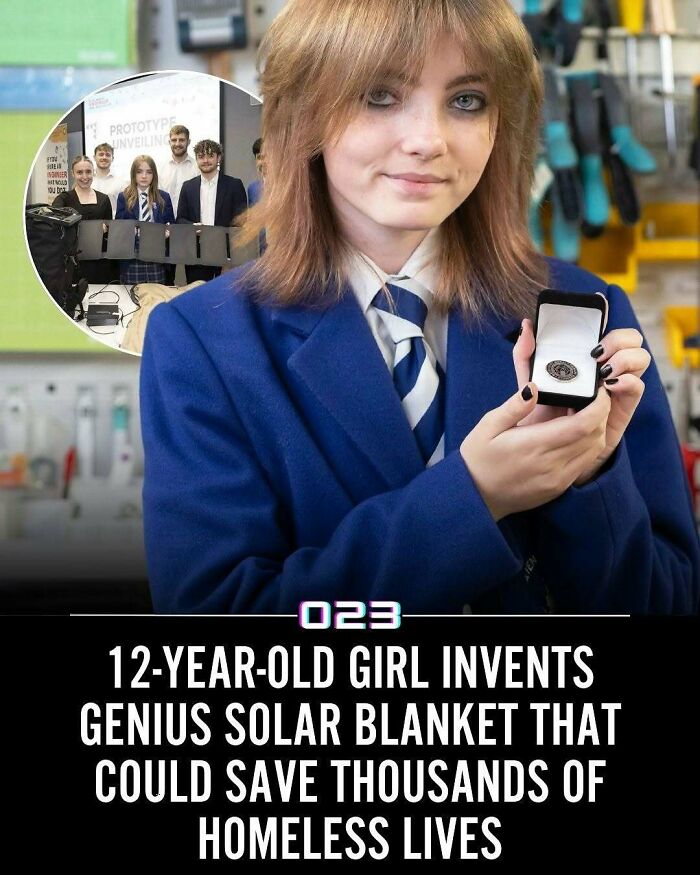
Image source: positivityrecommended
Rebecca Young, a 12-year-old student from Glasgow, has designed a solar-powered heated blanket to assist individuals experiencing homelessness. The innovative blanket integrates into a backpack and utilizes solar panels to charge a battery, providing warmth during cold nights. Her design earned her the MacRobert Commendation Medal in the UK Primary Engineer competition, standing out among 70,000 entries. Engineering firm Thales developed a prototype based on her design, showcasing the potential of youth-driven solutions to address pressing social issues.
#11
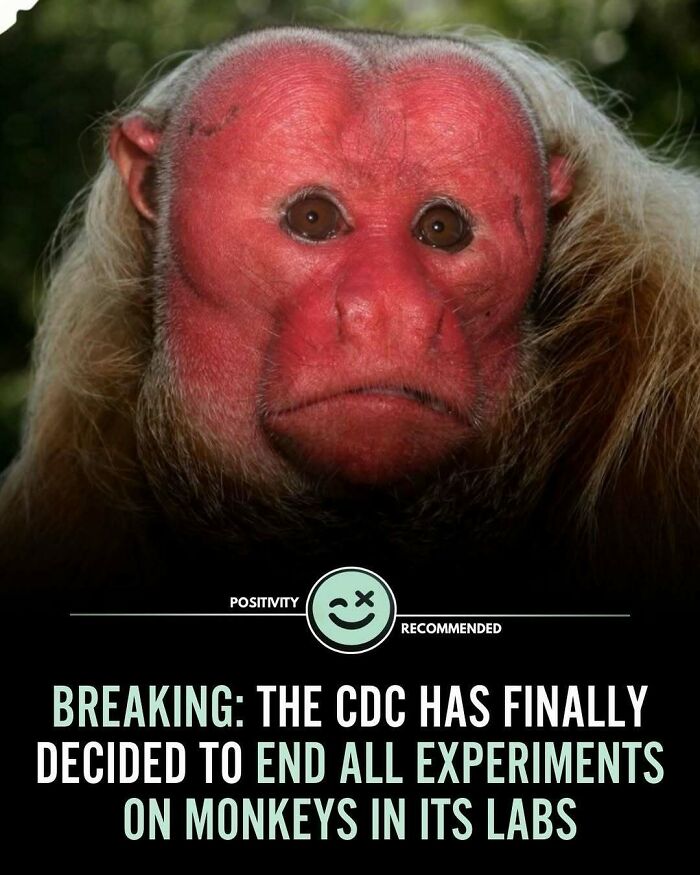
Image source: positivityrecommended
The CDC has announced plans to phase out all experiments on monkeys by the end of 2025, ending decades of macaque-based testing for diseases like HIV and tuberculosis.  The bright side: this marks a major shift toward more ethical, human-relevant science — and could save hundreds of primates from suffering in labs.
#12
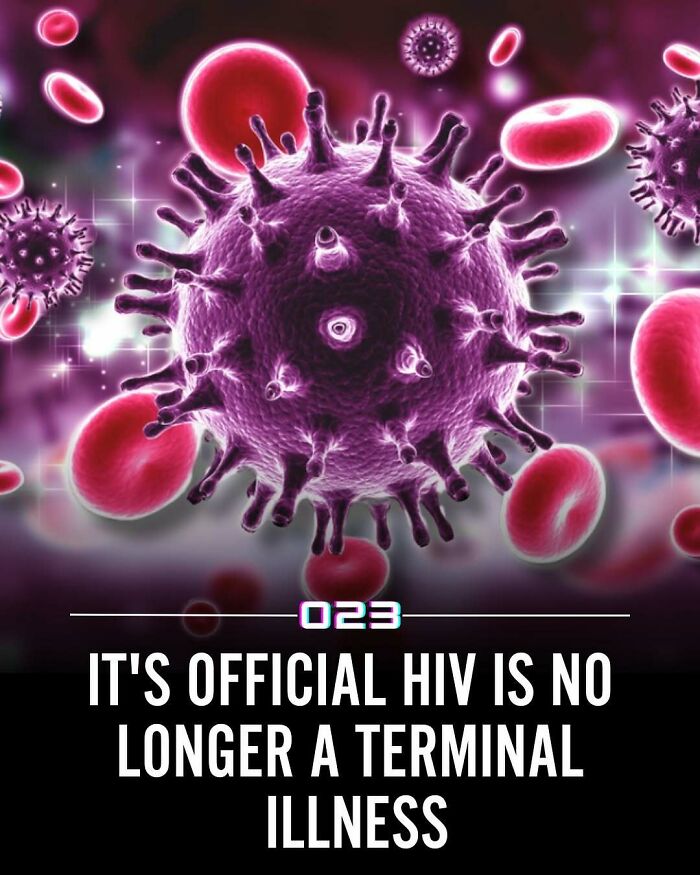
Image source: positivityrecommended
Thanks to decades of breakthroughs in antiretroviral therapy (ART), HIV is now considered a manageable chronic condition — not a death sentence. When treated consistently, the virus can be suppressed to undetectable levels, meaning it won’t progress to AIDS and can’t be transmitted to others. People with HIV had a life expectancy of just 39 in 1996. In 2011, the life expectancy was 72 — the same as individuals without HIV. Long-acting injectables like Cabenuva, approved in over 40 countries, have replaced daily pills for many, making treatment easier than ever. The global medical community — including CDC, WHO, and UNAIDS — now agrees: people living with HIV can expect to live long, healthy lives with proper care. But the battle isn’t over — access, stigma, and outdated laws still stand in the way.
#13

Image source: positivityrecommended
France isn’t playing any games with sustainability 😤 France has enacted Decree No. 2024-1023, requiring solar installations on parking lots over 1,500 square meters. Parking areas larger than 10,000 square meters must comply by July 1, 2026, and those between 1,500 and 10,000 square meters by July 1, 2028. At least 50% of these areas, including traffic lanes, must be covered with solar panels or green canopies. Non-compliance may result in annual fines up to €40,000.
#14
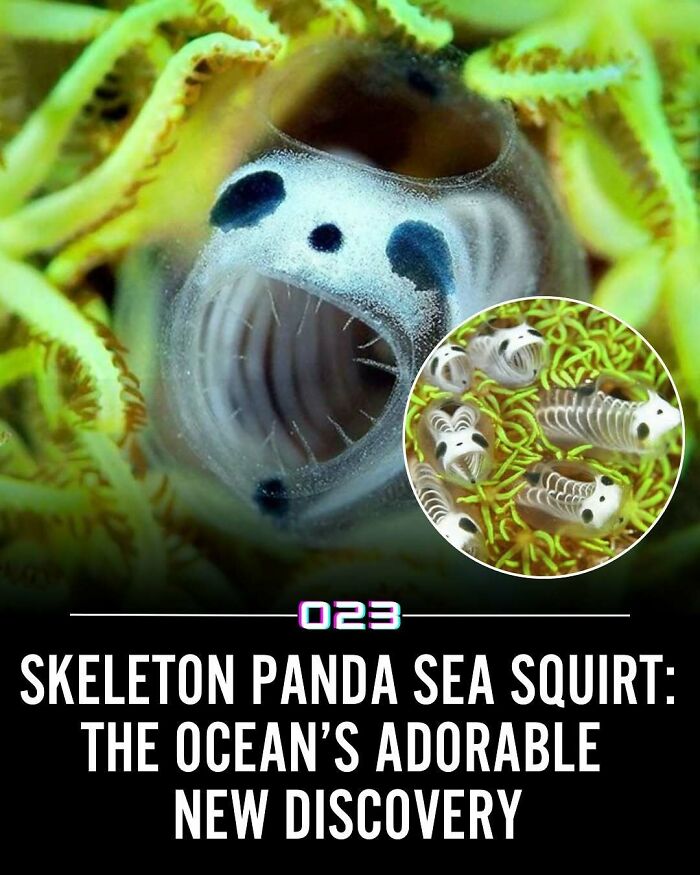
Image source: positivityrecommended
The Skeleton Panda Sea Squirt, 🐼🐙 discovered in Japan, is named for its striking resemblance to a panda’s face. Its translucent body features black and white markings that create a panda-like illusion, making it a standout among marine organisms. What makes this sea squirt particularly intriguing is its method of reproduction and survival. The organism forms colonies of identical individuals, each contributing to the filtration of water for nutrients.
#15

Image source: positivityrecommended
Research from Harvard Medical School suggests dogs likely dream about daily experiences, including you! 🐾 According to psychologist Dr. Deirdre Barrett, pups may see familiar faces, scents, and joyful moments shared with their humans while they sleep. So next time you see your dog twitching mid-nap, they might just be dreaming of belly rubs and playtime with you.
#16
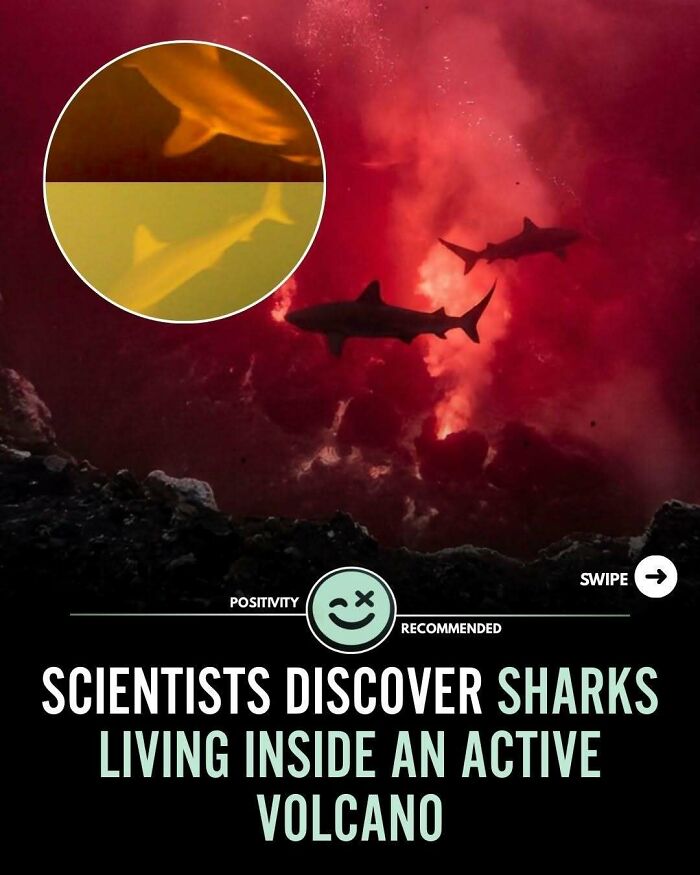
Image source: positivityrecommended
Scientists were stunned to discover sharks living inside an active volcano in the Solomon Islands, swimming through the crater of Kavachi — one of the Pacific’s most unpredictable underwater volcanoes. The sharks not only survive the extreme heat and acidity but seem to thrive in conditions once thought impossible for large marine life. Researchers say the finding challenges our understanding of resilience and adaptation in the natural world. The bright side: life finds a way — even in the most unlikely, inhospitable places on Earth.
#17
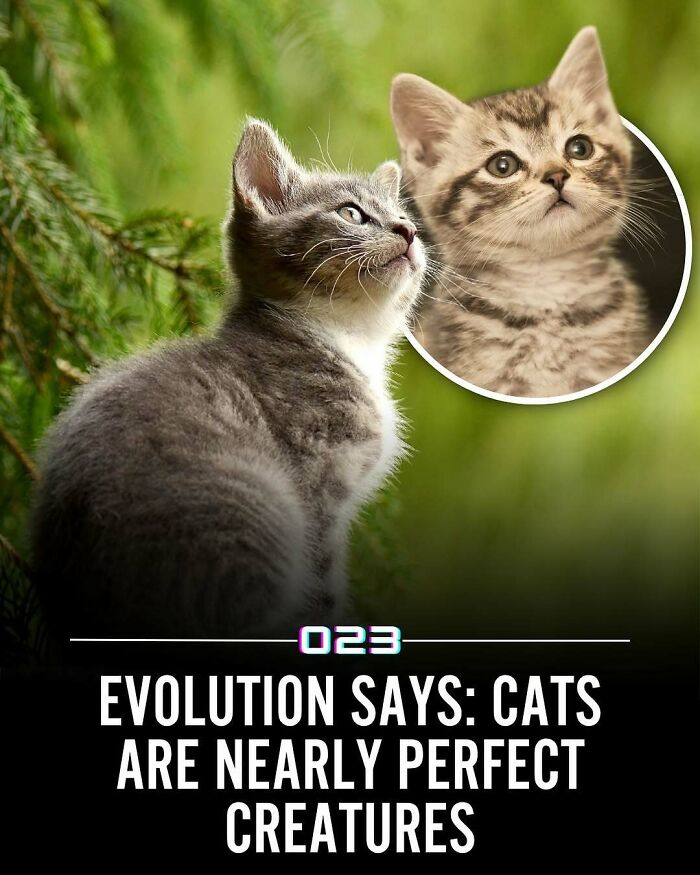
Image source: positivityrecommended
Science just confirmed what cat lovers already knew: cats are evolution’s A+ students. 💯 According to evolutionary biologist Anjali Goswami, cats haven’t just survived — they’ve mastered survival. From domestic tabbies to wild tigers, every cat is a hyper-specialized predator, fine-tuned over millions of years. ✅ Same body plan ✅ Same killer instincts ✅ Minimal variation — because they nailed it early on Other species adapt by diversifying. Cats? They don’t need to. They do one thing incredibly well: hunt. Even their skulls are so uniform that lion vs. tiger bones are nearly indistinguishable. Cats are such efficient apex predators that other animals have tried to evolve like them, and failed to compete.
#18

Image source: positivityrecommended
Swiss startup Sun-Ways has developed a system to install removable solar panels between train tracks. A special train unrolls the panels directly onto the rails, covering up to 1,000 square meters per day without disrupting rail operations. The pilot project, launched near Buttes in Neuchâtel and approved by the Federal Office of Transport, is already generating clean energy — about 16,000 kWh annually — for the local grid. If rolled out nationwide, it could power up to 2% of Switzerland’s electricity demand, all without using extra land.
#19

Image source: positivityrecommended
No more paper or plastic — these plates by Leaf Republic are made from real leaves and vanish in under 28 days. 🍃 Waterproof, additive-free, and fully biodegradable — this German company is turning ancient wisdom into modern sustainability. Would you eat off a leaf to save the planet?
#20
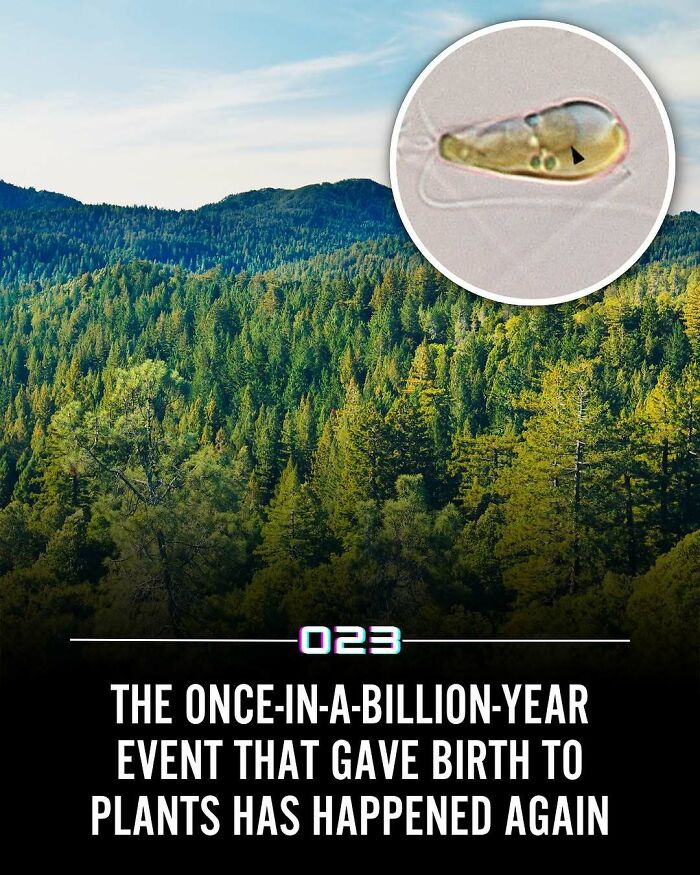
Image source: positivityrecommended
In a scientific milestone rivaling the emergence of mitochondria and chloroplasts, researchers have identified a newly evolved organelle—the “nitroplast”—within marine algae. Born from a 100-million-year-old symbiosis between the nitrogen-fixing bacterium UCYN-A and its algal host Braarudosphaera bigelowii, this organelle marks only the third time in Earth’s history such a transformation has occurred. Like its ancient predecessors, the nitroplast has shrunk its genome, imports host proteins, and shares metabolic functions—key signs of organelle integration. This discovery not only redefines our understanding of evolution in real time but also hints at future possibilities: engineering nitrogen-fixing organelles into crop plants for sustainable agriculture. The research, published in Cell and Science, offers a rare glimpse into life’s deep evolutionary machinery—still turning after billions of years.
#21
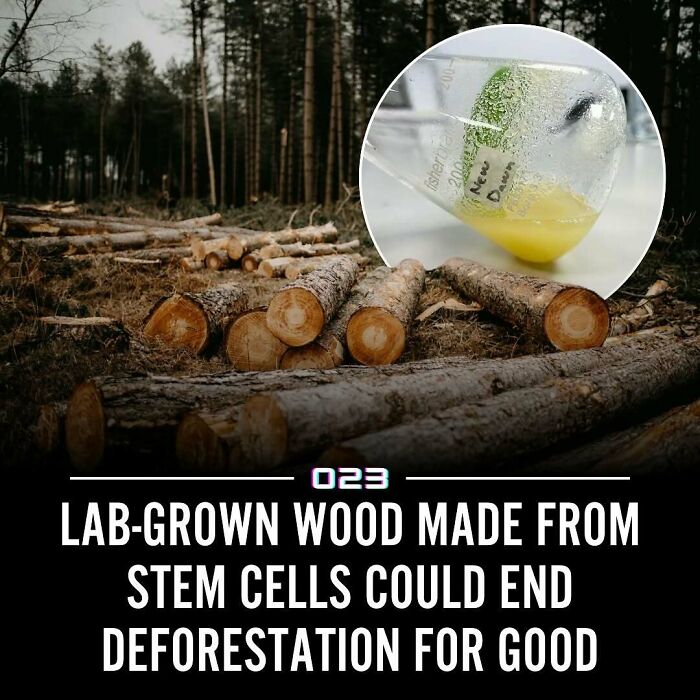
Image source: positivityrecommended
A small sliver of hope can now change the sustainability landscape forever. Lab-grown wood, pioneered by companies like New Dawn Bio, is a groundbreaking innovation that eliminates the need for deforestation by creating wood from plant cell cultures. This process drastically reduces resource use, optimizes material properties to be more customizable, and preserves natural ecosystems.
#22

Image source: positivityrecommended
Free the dolphins!! In a landmark decision, Mexico has enacted a nationwide ban on the use of dolphins and other marine mammals in entertainment, affecting around 350 captive dolphins. The legislation, passed unanimously by the Mexican Senate on July 26, 2025, prohibits dolphin performances, breeding in captivity, and swim-with-dolphin programs. This move aims to enhance animal welfare and will require the relocation of these dolphins to sea pens, marking a significant shift in marine mammal conservation efforts in the country.
#23
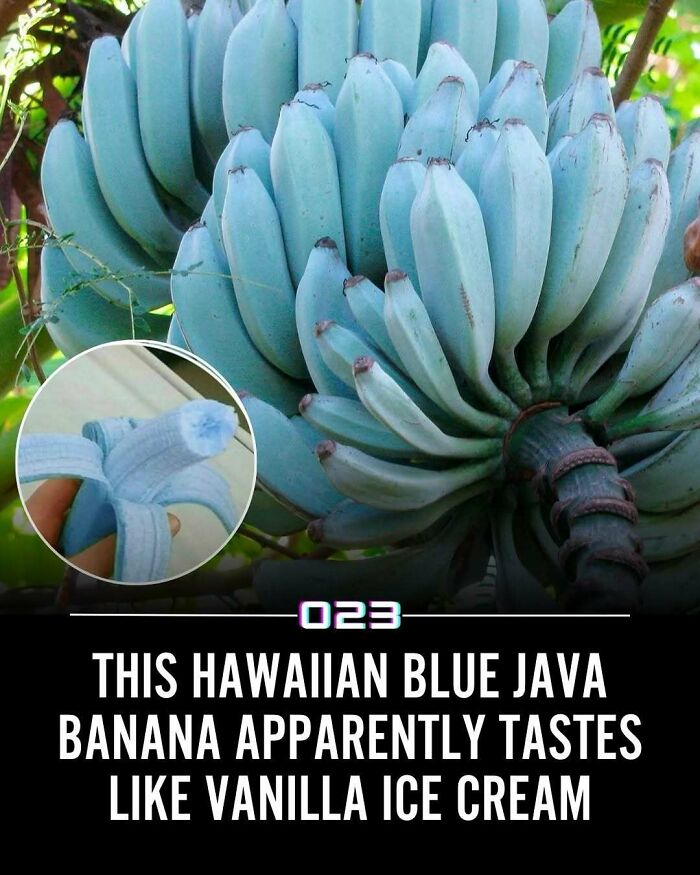
Image source: positivityrecommended
The Blue Java banana, cultivated in Hawaii, is known for its unique vanilla ice cream flavor. This rare fruit offers a creamy taste and texture that’s reminiscent of the popular dessert.
#24

Image source: positivityrecommended
Ready to leave the hustle behind? Ireland is offering up to $92,000 (€84,000) to anyone willing to restore and live in vacant homes across 20+ stunning islands along its wild western coast. From the scenic shores of Inis Mór to the culturally rich Gaeltacht isles, this is your chance to reboot your life in one of Europe’s most peaceful corners. 🌊🏠 Whether you’re a dreamer, a doer, or a digital nomad looking for your next adventure, Ireland’s Our Living Islands plan is turning isolation into opportunity.
#25

Image source: positivityrecommended
During the rainy season, elephants thrive as water sources are replenished and vegetation flourishes, providing ideal conditions for movement and feeding. Their migration follows ancient routes, guided by the availability of food and water. In many parts of Africa and Asia, seasonal rains reopen access to areas that were previously dry and inhospitable. Their resurgence is often tied to conservation efforts, habitat restoration, and shifting environmental conditions. Protected areas and wildlife corridors are vital, allowing elephants to roam freely without human conflict. As ecosystems recover from droughts, elephants naturally return to regions rich in food, reestablishing their presence. Their movements play a crucial role in shaping landscapes—dispersing seeds, creating water holes, and maintaining ecological balance. Their return is a powerful indicator of a thriving ecosystem, showcasing nature’s resilience when given the chance to heal.
#26
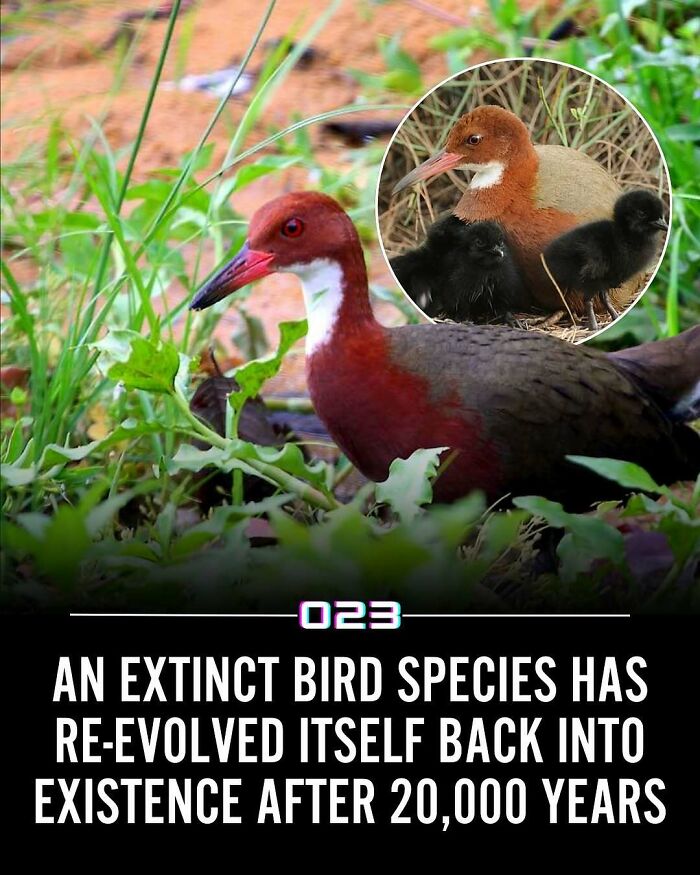
Image source: positivityrecommended
A once-extinct bird species has “re-evolved” and returned to the island it inhabited thousands of years ago, according to researchers. The species was wiped out around 136,000 years ago when the island was submerged by the sea. Remarkably, within 20,000 years of its extinction, the bird reappeared and evolved into the flightless Aldabra rail once again. Scientists say this marks one of the fastest known timelines for a bird to lose its ability to fly and the only documented case of a bird species becoming flightless twice.
#27
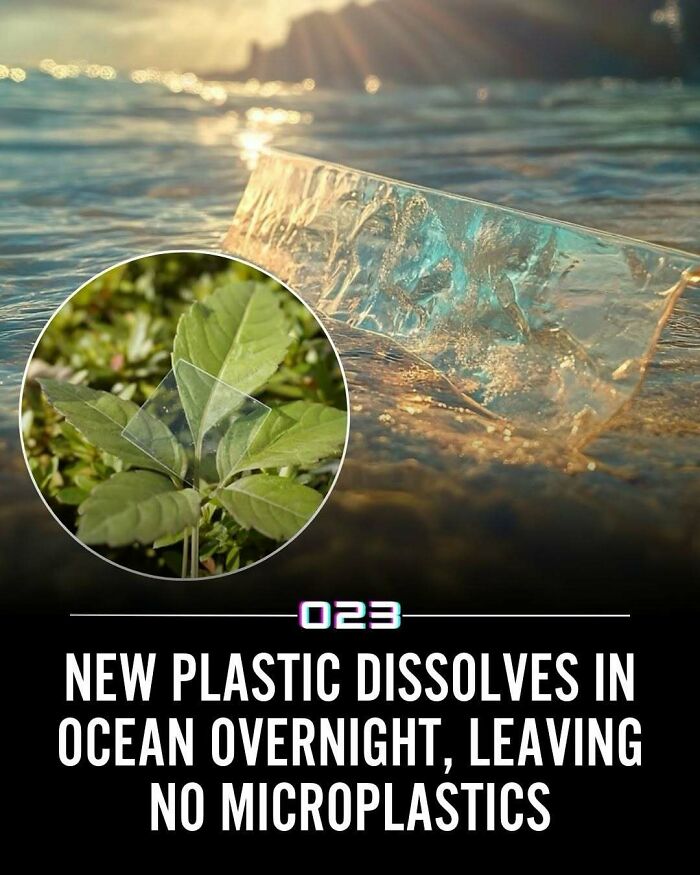
Image source: positivityrecommended
Scientists at Japan’s RIKEN institute have developed a groundbreaking plastic that maintains the strength and flexibility of conventional plastics but dissolves completely in saltwater within approximately 8.5 hours, leaving behind only safe compounds like nitrogen and phosphorus. This innovative material, composed of supramolecular polymers, forms strong bonds during use but breaks down rapidly in marine environments, offering a promising solution to ocean plastic pollution. To prevent premature degradation, the plastic can be coated with hydrophobic layers, which can be easily scratched off when disposal is desired.
#28

Image source: positivityrecommended
Researchers at Northwestern University unveiled the world’s smallest pacemaker in early 2025 — a rice-sized, wireless device that can be injected with a syringe, requires no surgery, and dissolves naturally once the heart has healed. 🍚 ❤️ Designed for temporary cardiac pacing, especially in newborns and surgical recovery, the pacemaker uses the body’s own fluids to power itself and is activated externally by a wearable light patch. Once its job is done, it safely disappears — no wires, no removal, no trace. This could be the future of heart healing.
#29
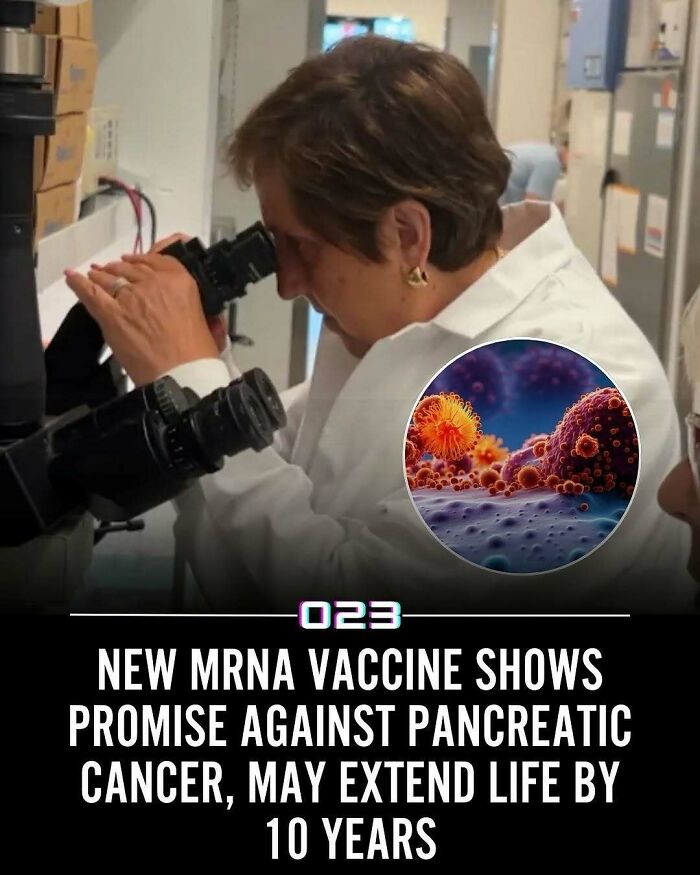
Image source: positivityrecommended
These medical advancements are looking like we might be able to live longer than we expected. . Researchers have developed an mRNA vaccine that may significantly extend the survival of pancreatic cancer patients. In a recent study, the vaccine demonstrated the potential to prolong patients’ lives by up to 10 years. This advancement offers hope in combating a cancer type known for its poor prognosis.
#30

Image source: positivityrecommended
A team of Chinese scientists has discovered a massive sinkhole in Leye County, Guangxi Zhuang Autonomous Region, measuring 630 feet deep, 1,000 feet long, and 490 feet wide. At its bottom lies a well-preserved ancient forest with trees reaching heights of 130 feet, potentially harboring species unknown to science. This discovery highlights the unique karst landscapes of southern China, characterized by dramatic sinkholes and caves formed through the dissolution of bedrock by slightly acidic rainwater.
#31

Image source: positivityrecommended
Zeus, a blind Western screech owl, was found injured and unable to fly in Central California. Diagnosed with capsular cataracts, his eyes sparkle like star-filled skies. Now living at the Wildlife Learning Center in Southern California, Zeus serves as an ambassador for owl conservation and awareness.
#32
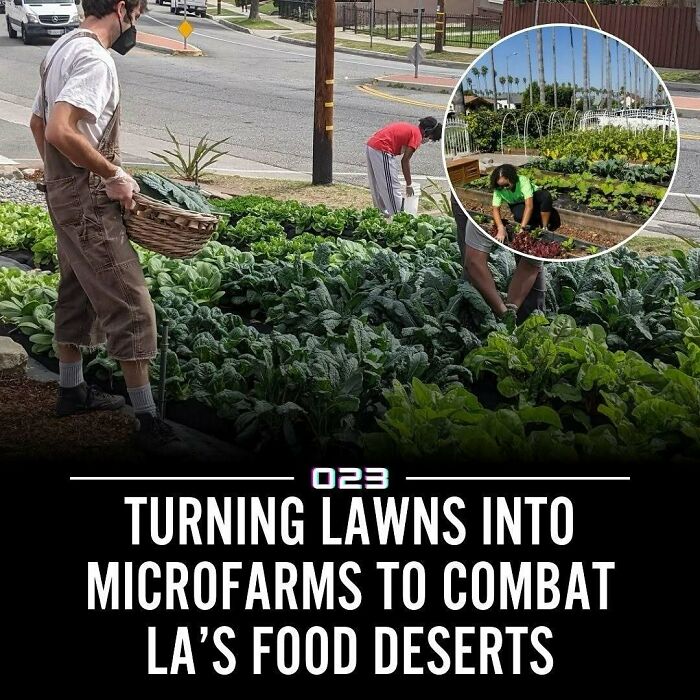
Image source: positivityrecommended
Getting back to our roots!! 🧑🌾👩🌾 . Organizations like CropSwapLA are transforming residential lawns into microfarms to tackle food deserts in Los Angeles. These urban gardens provide fresh produce, promote sustainability, and improve food security in underserved communities.
#33
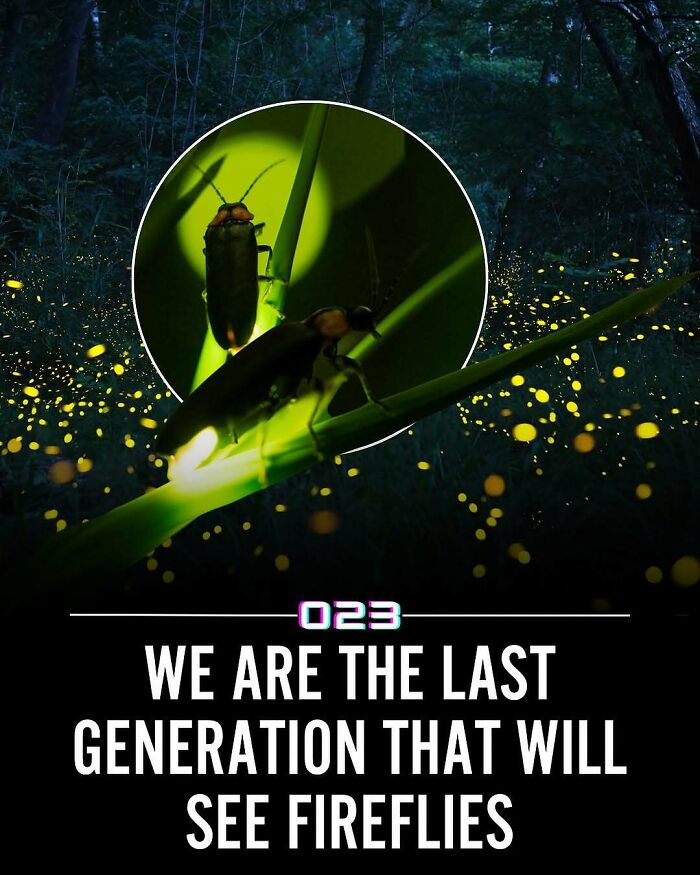
Image source: positivityrecommended
Fireflies are rapidly declining due to habitat loss, light pollution, pesticides, and climate change. Their glow—used to attract mates—is fading as bright lights and development disrupt their natural cycles. Conservationists urge reducing outdoor lighting, avoiding pesticides, and protecting wetlands to help save these glowing insects.
#34
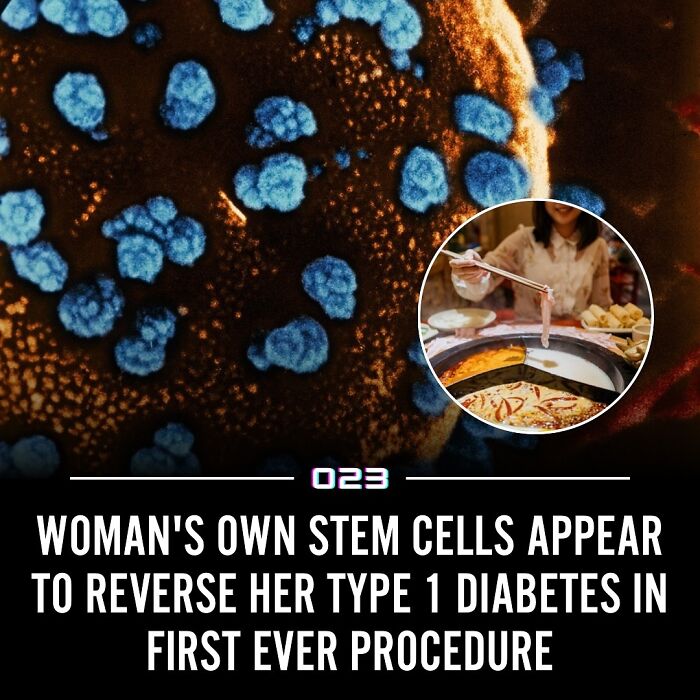
Image source: positivityrecommended
She says, “”I can eat sugar now. I enjoy eating everything – especially hotpot.” In a groundbreaking development, Chinese scientists have successfully reversed Type 1 diabetes in a young woman using her own stem cells. This 25-year-old patient, the first of her kind, was treated with induced pluripotent stem cells that were reprogrammed from her own fat tissue. These stem cells were transformed into insulin-producing cells and implanted into her abdomen. Within just a few months, she began producing insulin naturally and no longer needed external insulin injections. The procedure, which took place in Tianjin, China, offers hope for a future where Type 1 diabetes patients may no longer rely on insulin for survival. The woman’s ability to maintain stable insulin production has continued for over a year, a first in medical history. Researchers are optimistic about expanding this treatment to more patients, though challenges remain in scaling the procedure globally. This breakthrough could mark a major shift in how diabetes is treated, potentially offering a long-term solution to a condition that has previously required lifelong management with insulin.
#35
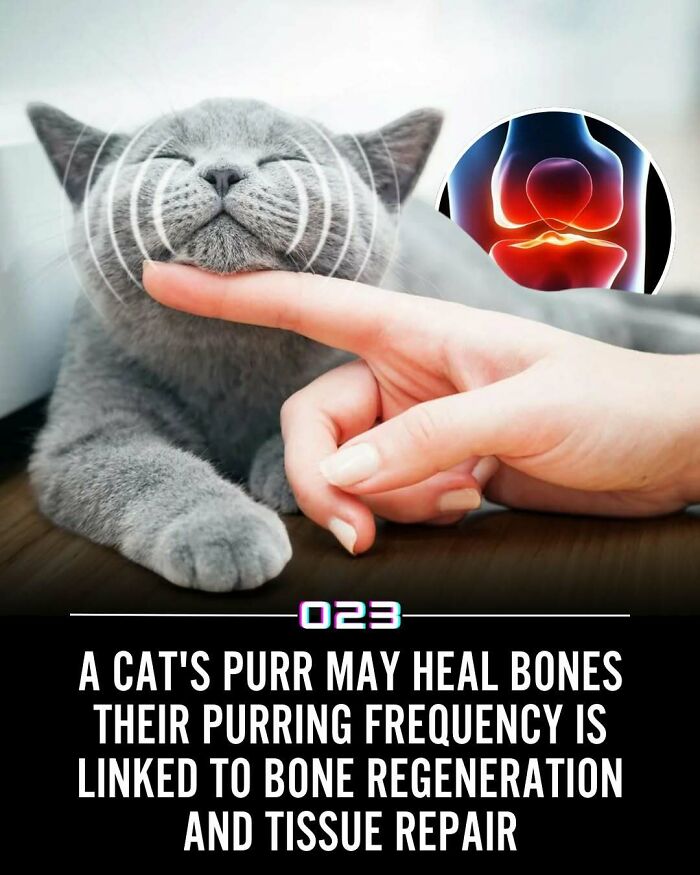
Image source: positivityrecommended
🐱💫 Did you know a cat’s purr isn’t just cute—it may actually heal bones? 🦴✨ Studies show that cats purr at frequencies between 25-150 Hz, a range linked to bone regeneration and tissue repair in medical research. This could explain why cats recover quickly from injuries and rarely suffer from bone diseases! 🤯🐾
#36
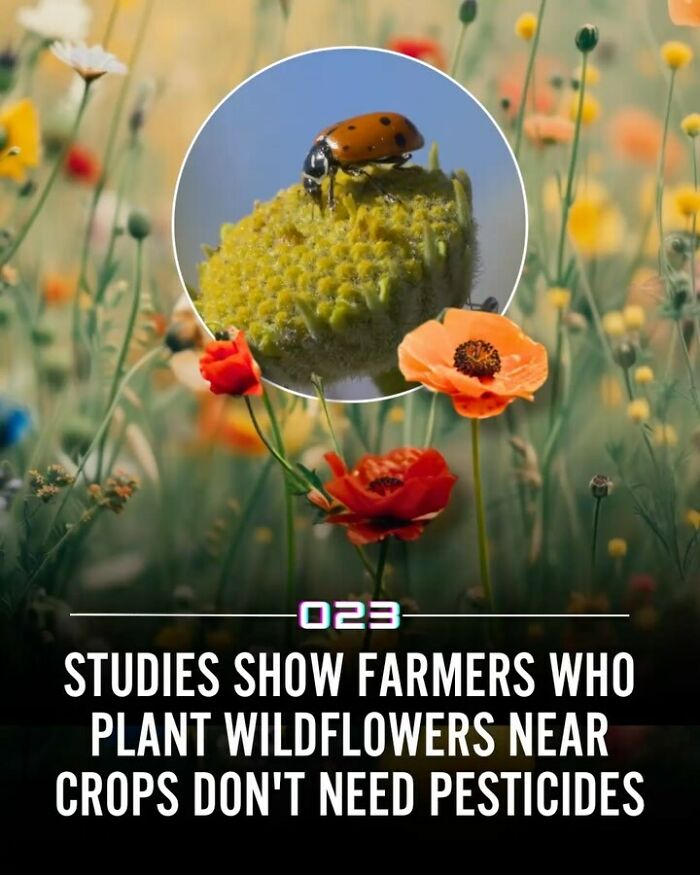
Image source: positivityrecommended
New research shows that planting wildflowers near crops can significantly reduce the need for pesticides. The flowers attract beneficial insects like ladybugs, lacewings, and parasitic wasps that feed on common crop pests such as aphids and mites. Studies confirm this ecological method boosts natural pest control while supporting biodiversity.
#37

Image source: positivityrecommended
In Romania, commuters can pay for their bus ticket by doing 20 squats, part of a national campaign to promote movement and make public transit more fun and engaging. The machines count each squat and print a free ticket once you hit the goal. Elderly and disabled riders travel free, ensuring the system stays inclusive. Cities using the program report higher ridership and a boost in community morale. The bright side: when public health meets public transit, everyone wins — stronger bodies, stronger communities.
#38
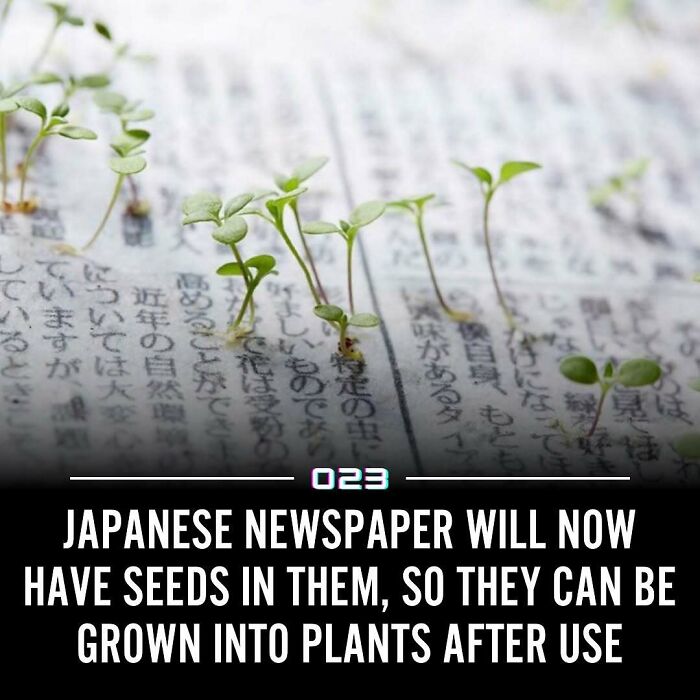
Image source: positivityrecommended
Japan’s Mainichi Shimbunsha introduced the “Green Newspaper,” an eco-friendly publication printed on biodegradable paper embedded with plant seeds. After reading, individuals could plant the newspaper, which would then sprout flowers or herbs. This initiative aimed to promote environmental sustainability and educate the public on recycling practices.
#39

Image source: positivityrecommended
A new peer-reviewed study published in Science China Earth Sciences (2025) revealed that between 2021 and 2023, the Antarctic Ice Sheet gained mass at a rate of 108 gigatons per year, reversing a decade of steady decline. The surprise recovery was most significant in East Antarctica’s Wilkes Land region, where major glaciers like Totten and Denman had previously been melting rapidly. Scientists credit the gain to unusually high snowfall — a temporary boost that slightly offset global sea level rise by 0.3 mm per year. While experts caution this trend may not last, it challenges assumptions about short-term polar dynamics and underscores how unpredictable our climate system can be.
#40
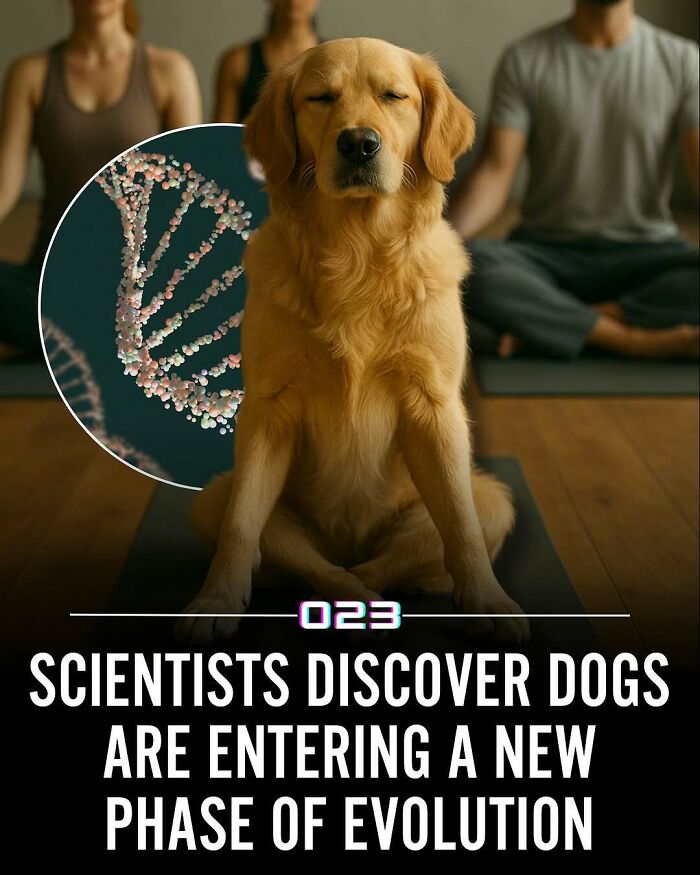
Image source: positivityrecommended
A recent study suggests dogs may be entering a new phase of evolution — one shaped not by wilderness, but by modern human life. 🐶🐕 Scientists have observed that dogs are becoming more emotionally attuned, socially adaptable, and even genetically inclined toward traits like friendliness and empathy. Selective breeding for companionship and service roles is accelerating this shift, hinting at a third wave of domestication where emotional intelligence may be the next frontier.










Got wisdom to pour?